• My Home
  • Community
  • Facebook
  • babyment@babyment.com
Canvas Logo Canvas Logo
  • Home
  • Conceiving
    • Get Pregnant Fast
    • Nutrient For Fertility
    • IVF in Singapore
  • Pregnancy
    • Safe To Eat During Pregnancy?
    • Discomfort and Solution
    • Pregnancy Care
    • Buying Guide
    • Zika and Pregnancy
    • Birth Delivery
    • Baby Names
    • Chinese Baby Names
    • Nutrition During Pregnancy
    • Pregnancy Week By Week
  • 0-1 Year
    • Safe For Baby To Eat?
    • Breastfeeding
    • Baby Bonus
    • About Hiring Maid
    • Baby Food Recipes
    • Confinement Care
    • Daily Baby Care
  • 1-3 Year
    • HFMD
    • Children Daily Care
    • Early Education
  • Directories
    • Preschool Open House, School Tour
    • Gynaecologists
    • Pediatricians
    • Nursing Rooms
    • Kindergarten
    • Child Care Centres
    • Baby Clinics

Urinary incontinence during pregnancy
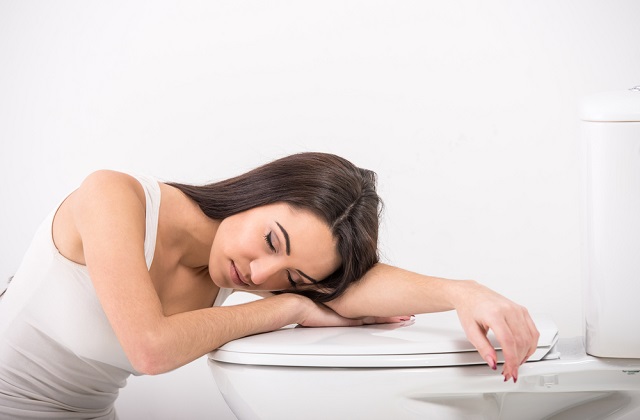
 causes of urinary incontinence during pregnancy and what can be done to prevent it.

Urinary incontinence, which involves the involuntary loss of urine, is common during pregnancy. It can happen when pregnant women cough or sneeze.


Causes of urinary incontinence

Growing uterus pressurizes the bladder

As your baby grows, the growing uterus puts a lot of pressure on the bladder; urine may then involuntarily leak out. When you cough, sneeze, exercises or laugh, these physical movements exert further pressure on your bladder which may cause the urine to leak out.


Hormones change

When you urinate, the muscles around your urethra relax, which allows urine to flow from your bladder out of your body. When you finish, the muscles around your urethra contract which holds off any urine flow until you want to empty your bladder again. During pregnancy, the hormonal change affects the lining of your bladder and urethra which interferes with the usual way your urethra relaxes and contracts


Overactive Bladder

Urinary incontinence during pregnancy can also be the result of an overactive bladder. A pregnant woman who has an overactive bladder needs to urinate more than usual because the bladder has uncontrollable spasms.


How to Avoid Urinary Incontinence

There several measures that can be taken to avoid discomfort and embarrassment.

Schedule your bathroom breaks.

When you are pregnant, you will need to urinate more often. You can plan to use the bathroom at least every two hours. Your bladder will not be too full for urine to leak out when you laugh or cough. 


Avoid carbonated drinks, coffee, or tea.

These beverages may make you feel like you need to use the bathroom more often as these beverages are the diuretic. Try drinking more water or decaffeinated drinks.


Maintain a healthy weight gain

Extra weight, especially around your abdomen will increase pressure on the bladder. Studies have shown that women who gain an excessive weigh when they get pregnant are more likely to experience urinary incontinence.


Practice Kegels

Kegel exercises help to strengthen the pelvic floor and help you avoid leakage. You may refer to Kegels Exercises on how to practice it.

Lastly, to relieve any embarrassment or discomfort, expectant mothers may try sanitary napkins that is for urinary incontinence.

It takes a village to raise a child !

Join our Facebook group Preschools & Kindergartens in Hong Kong to interact with other parents.
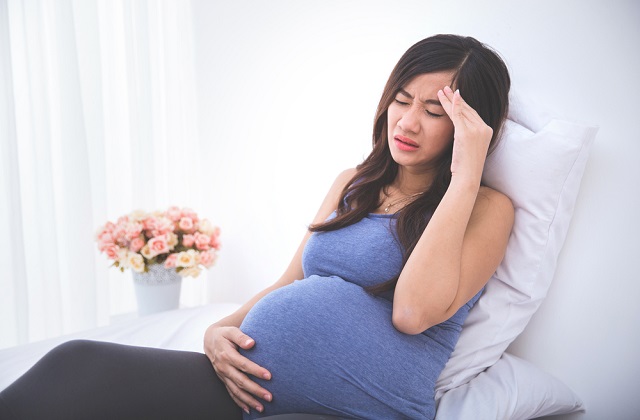
 Reason why pregnant women will experience shortness of breath and how to prevent shortness of breath during pregnancy.

Shortness of breath During Pregnancy

It is very common for pregnant women to experience shortness of breathe especially during the third trimester
 causes of urinary incontinence during pregnancy and what can be done to prevent it.

Urinary incontinence during pregnancy

Urinary incontinence during pregnancy: causes of urinary incontinence during pregnancy and what can be done to prevent it.
  • Popular
  • Recent
Tantrums in Children

Tantrums in Children

  • 35 Comments
Period or pregnancy symptoms

Period or Pregnancy Symptoms

  • 24 Comments
Breastfeeding Positions

Breastfeeding Positions

  • 19 Comments
Pregnancy Nutrition

Pregnancy Nutrition

  • 10th Jan 2017
Harmful effect of sugar on baby

Why no sugar for baby

  • 16th Jan 2017
Inducing Labour

Inducing Labour

  • 18th Jan 2017

Our mission is to help parents and parents-to-be to save time and moneyin pregnancy and parenting journey.

Headquarters:
#06-15 Nordcom 1
3 Gambas Cres, Singapore 757088
Email:hk@babyment.com

Babyment®

  • About Us
  • Contact Us

Popular Articles

How to increase breast milk supply

  • 10th July 2014

Early Symptoms of Autism in Children

  • 10th July 2014
Like us
on Facebook
Copyrights © 2019 All Rights Reserved by Babyment®
Terms of Use / Privacy Policy
hk@babyment.com · ·