Preventing Excessive Weight Gain Through Nutritional Interventions During Pregnancy
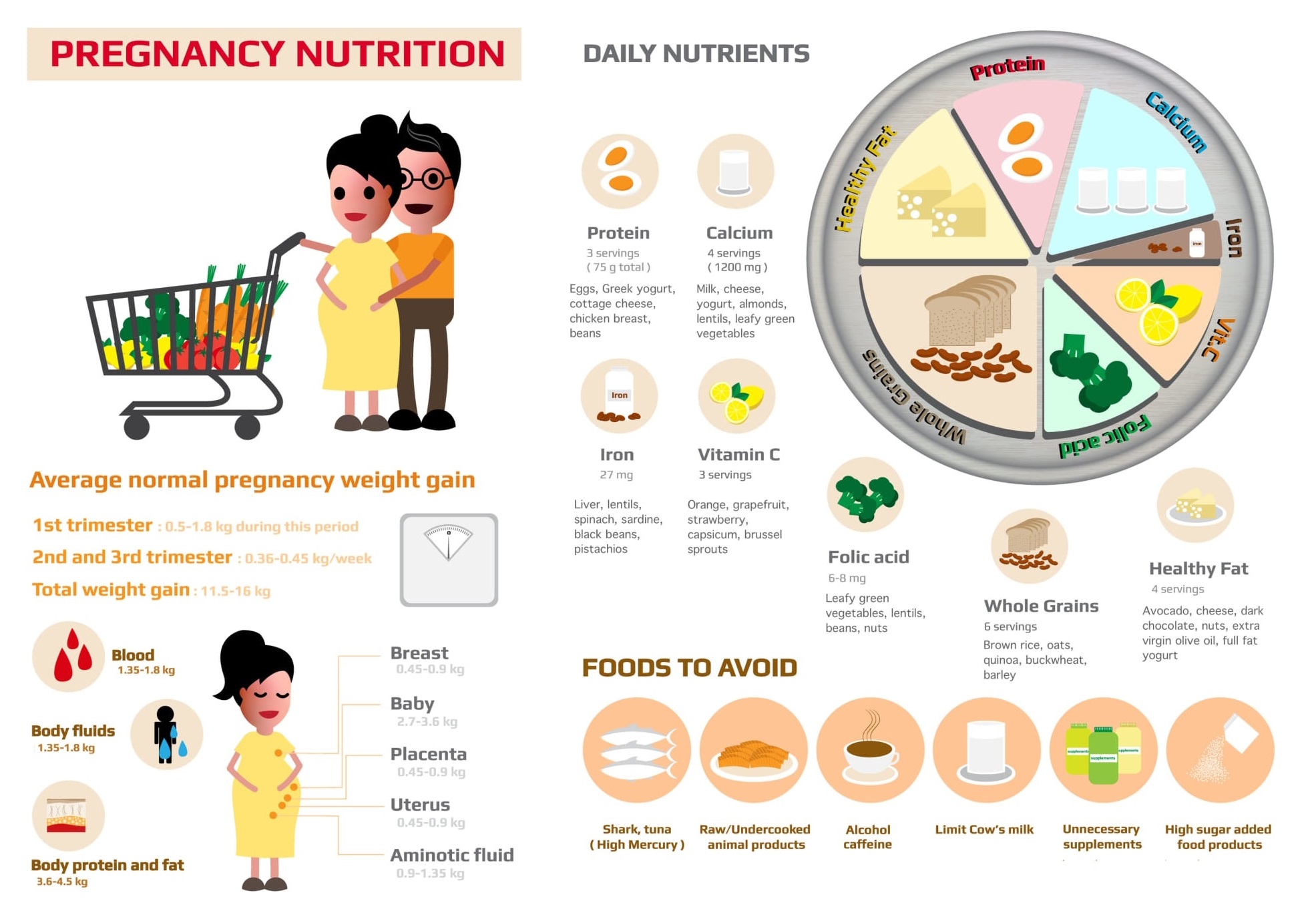
Weight gain during pregnancy is natural and necessary, supporting fetal growth, placenta formation, and increased maternal blood volume. However, excessive gestational weight gain (GWG) can lead to complications such as gestational diabetes, hypertension, cesarean delivery, and postpartum weight retention. Through tailored nutritional interventions, pregnant individuals can meet their energy needs while minimizing risks associated with overgain.
Recommended Weight Gain by BMI Category
The Institute of Medicine (IOM) provides guidelines for total pregnancy weight gain based on pre-pregnancy BMI:
| Pre-Pregnancy BMI | Category | Recommended Total Weight Gain |
|---|---|---|
| Less than 18.5 | Underweight | 28–40 lbs (12.5–18 kg) |
| 18.5–24.9 | Normal weight | 25–35 lbs (11.5–16 kg) |
| 25–29.9 | Overweight | 15–25 lbs (7–11.5 kg) |
| More than 30 | Obese | 11–20 lbs (5–9 kg) |
Caloric Needs by Trimester
Caloric requirements change during pregnancy, but they do not double as commonly believed. Overeating can easily lead to excessive weight gain. Here's a general guideline for additional caloric needs:
- First trimester: No additional calories needed (but nutrient density is important)
- Second trimester: +340 kcal/day
- Third trimester: +450 kcal/day
These estimates may vary depending on a person’s activity level, metabolism, and pre-pregnancy weight. Healthcare providers or dietitians can offer more precise recommendations.
Key Nutritional Interventions to Prevent Excessive Weight Gain
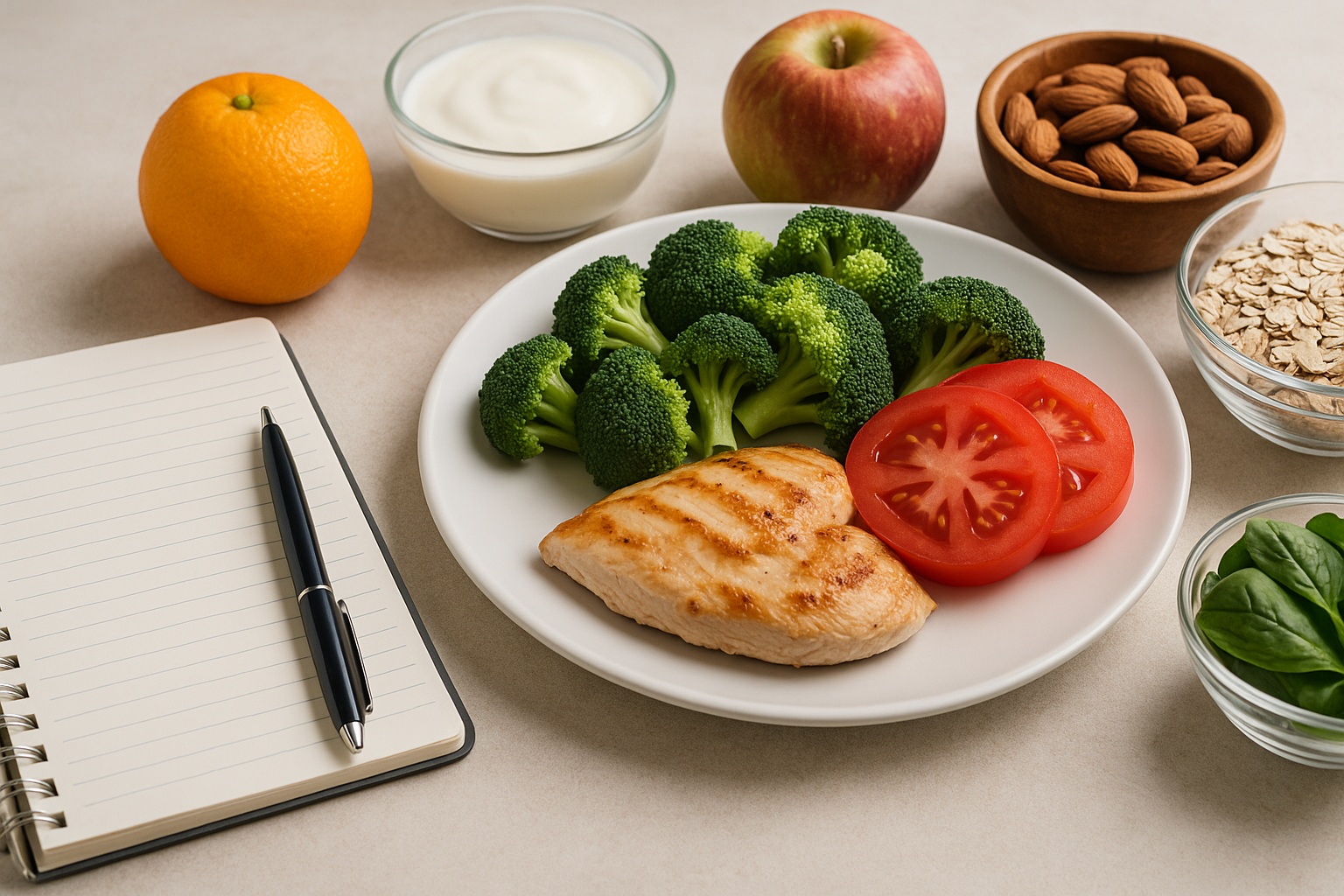
- Eat balanced meals with whole grains, lean proteins, healthy fats, and plenty of fruits and vegetables.
- Limit added sugars and refined carbs to avoid unnecessary calorie intake and insulin spikes.
- Use portion control — pregnancy is not a license to eat for two.
- Plan regular snacks (e.g., nuts, yogurt, fruit) to avoid overeating at meals.
- Stay hydrated — thirst is often confused with hunger.
- Be physically active if medically cleared — walking, swimming, or prenatal yoga help regulate weight and improve mood.
Monitoring Weight Gain
Tracking weight gain throughout pregnancy can help catch trends early. Healthcare providers typically monitor weight at prenatal visits. If weight gain is rapid or exceeds recommendations, discussing nutrition and activity with a provider can be helpful and empowering, not punitive.
Conclusion
Weight gain during pregnancy is essential, but staying within recommended ranges can improve outcomes for both parent and baby. Small, intentional nutritional choices — guided by professional recommendations — make a big difference. Remember: it’s not about restriction, but about fueling your body wisely.
FAQ: Preventing Excessive Pregnancy Weight Gain
- Is it safe to lose weight during pregnancy?
- Intentional weight loss during pregnancy is not recommended. However, overweight or obese individuals may gain less than average and still have healthy outcomes. Always consult a doctor before making dietary changes.
- What are the risks of gaining too much weight?
- Excessive GWG increases the risk of gestational diabetes, preeclampsia, cesarean delivery, and large-for-gestational-age babies. It may also lead to long-term maternal obesity.
- Can calorie counting help?
- It can be useful for some, especially when guided by a dietitian. However, focusing on nutrient quality and satiety signals is often more sustainable and less stressful.
- What’s the best way to control cravings?
- Cravings can be managed with balanced meals, regular snacks, sleep, hydration, and identifying emotional triggers. Occasionally indulging in moderation is okay.
Scientific and Professional Sources
- Institute of Medicine (2009). Weight Gain During Pregnancy: Reexamining the Guidelines.
- American College of Obstetricians and Gynecologists (ACOG). Nutrition During Pregnancy.
- National Institutes of Health (NIH). Maternal Health and Pregnancy Weight Gain.
- World Health Organization. Recommendations on antenatal care for a positive pregnancy experience.
It takes a village to raise a child !
Join our Facebook group Preschools & Kindergartens in Hong Kong to interact with other parents.