Prenatal Vitamins: What Science Says You Really Need and Do Not Need
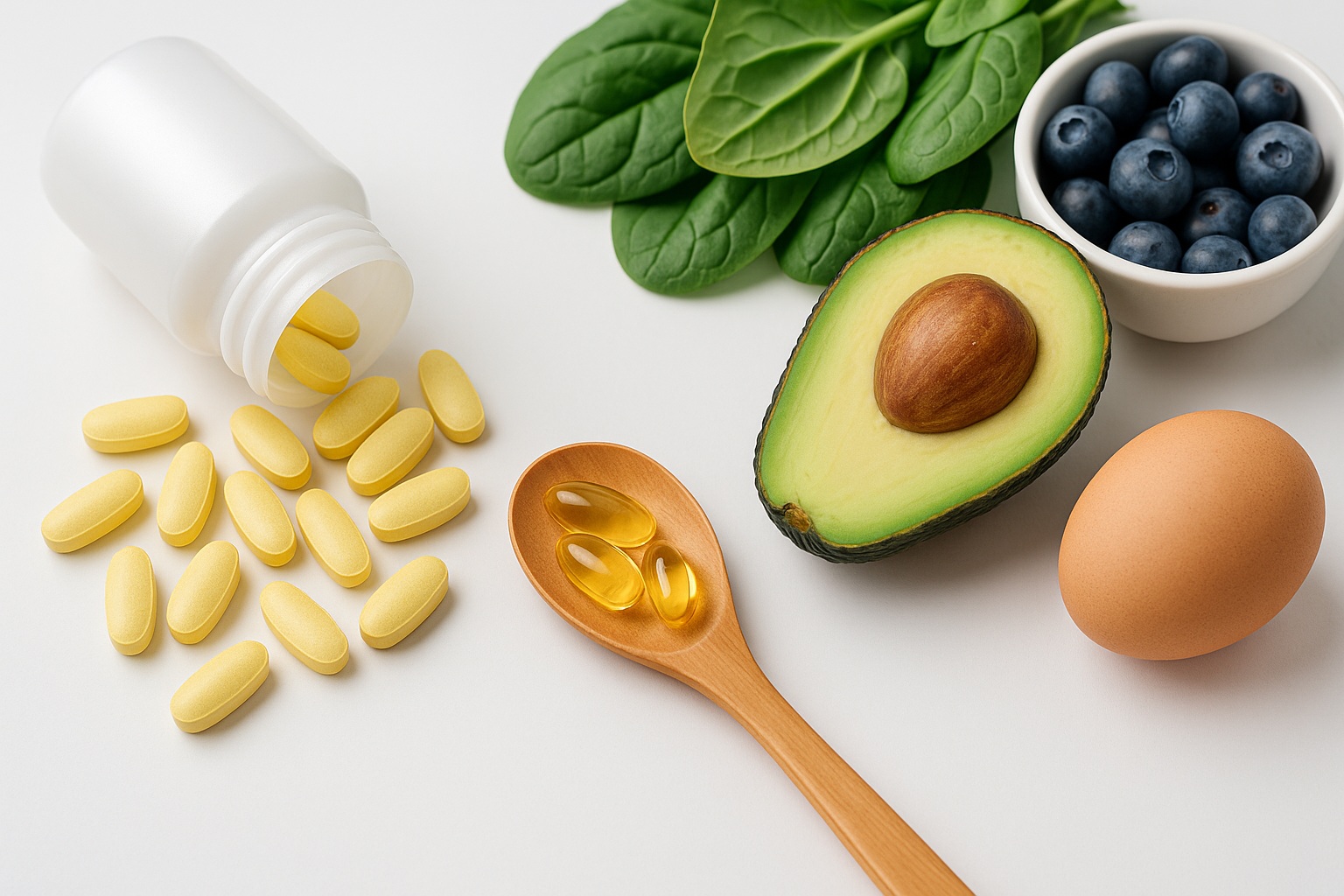
When you're expecting, everyone from your OB-GYN to well-meaning relatives will tell you to take your prenatal vitamins. But not all supplements are created equal—and not all of them are necessary. So what does the science actually say about prenatal vitamins? Which nutrients are essential, and which ones are just hype?
What Are Prenatal Vitamins?
Prenatal vitamins are supplements designed to support the nutritional needs of pregnant women and their developing babies. While a healthy diet is crucial, prenatal vitamins help fill in potential gaps, ensuring both mom and baby get the right nutrients at the right time.
Essential Nutrients You Really Need
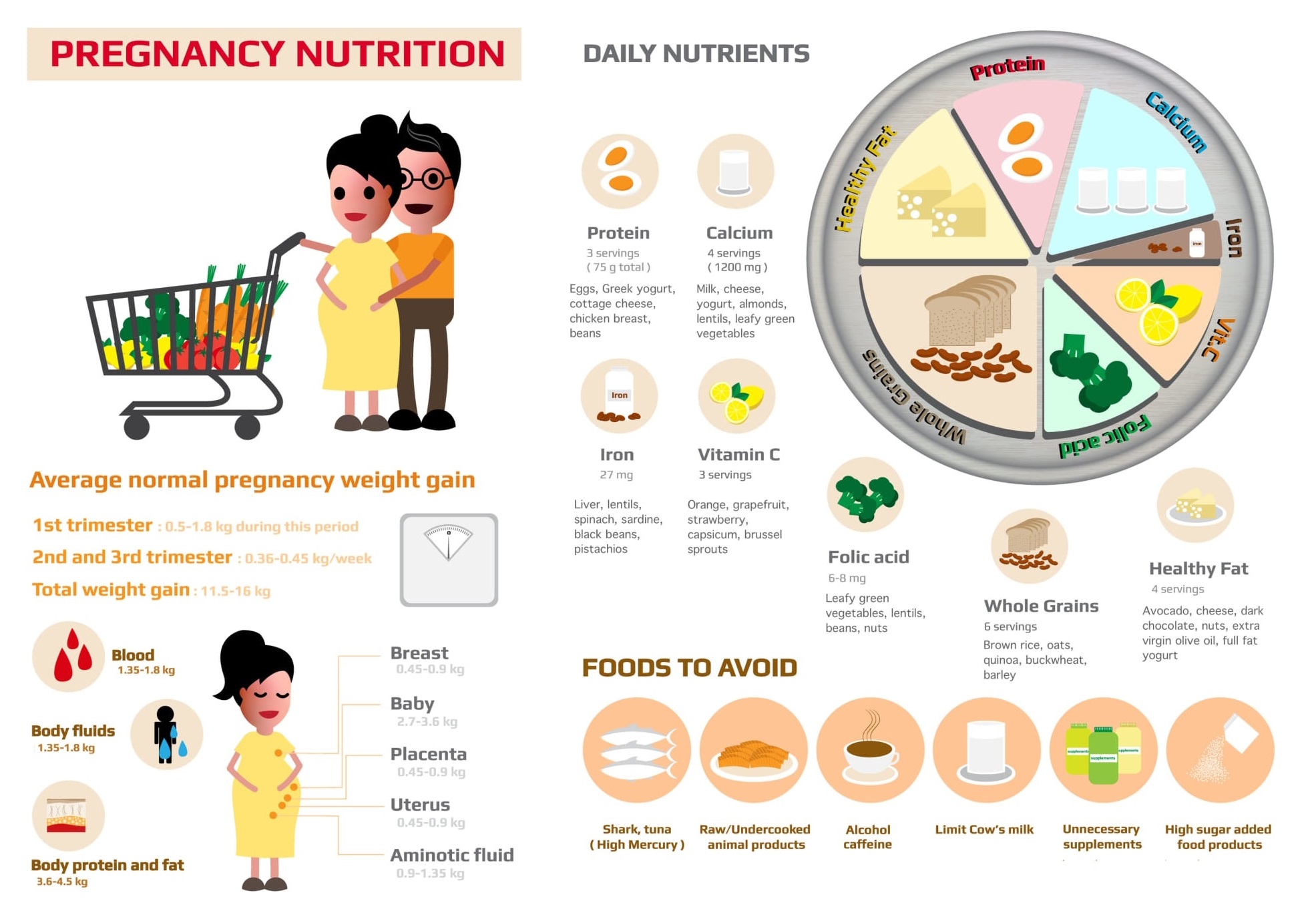
- Folic Acid: This is non-negotiable. Folic acid (400–800 mcg daily) is crucial in the early stages of pregnancy to prevent neural tube defects like spina bifida. Ideally, women should start taking it at least one month before conception.
- Iron: Pregnant women need about 27 mg of iron daily. It helps in the formation of extra blood needed to supply oxygen to the baby. Iron deficiency can lead to anemia and increase the risk of premature birth.
- Calcium: About 1000 mg per day supports the baby's bone development. If your diet lacks calcium, your body may pull it from your bones to support your baby.
- Vitamin D: Vitamin D helps in calcium absorption and supports the baby's immune system. A daily dose of 600 IU is typically recommended.
- Omega-3 Fatty Acids (DHA): DHA supports brain and eye development. It's often not found in standard prenatal vitamins, so look for one that includes DHA or take a separate fish oil supplement.
- Iodine: Essential for thyroid function and baby's brain development. Pregnant women need about 220 mcg per day.
What You Might Not Need
- Excessive Vitamin A: While Vitamin A is important, too much can cause birth defects. Most prenatal vitamins use beta-carotene, a safer form than retinol.
- Herbal Additives: Some supplements contain herbs marketed as “natural” but lack scientific backing and may even be harmful during pregnancy.
- High Doses of Vitamin E: There's little evidence that extra Vitamin E is beneficial in pregnancy, and high doses can cause complications.
- Non-essential Minerals: Ingredients like chromium or molybdenum are rarely deficient and aren't typically necessary in prenatal formulations.
Choosing the Right Prenatal Vitamin
Not all prenatal vitamins are created equal. When choosing a supplement, check that it includes the key nutrients: folic acid, iron, calcium, iodine, Vitamin D, and DHA. Look for reputable brands that are third-party tested for quality and safety.
If you have specific health concerns (like vegan diets, anemia, or thyroid conditions), consult your healthcare provider about customized supplementation.
Can't I Just Eat a Healthy Diet?
Eating a balanced diet rich in leafy greens, fruits, lean proteins, dairy, and whole grains is the foundation of a healthy pregnancy. However, even with a great diet, some nutrients—like folic acid and iron—are difficult to get in sufficient quantities from food alone. That's why prenatal vitamins are considered a safety net, not a substitute.
Bottom Line
Science supports the use of prenatal vitamins to ensure mom and baby get essential nutrients. Focus on the proven essentials like folic acid, iron, calcium, and DHA, and skip overhyped extras with little to no benefit. When in doubt, your OB-GYN or a registered dietitian can help you choose the best option for your needs.
Remember: The goal isn't to take the most supplements—it's to take the right ones.
Frequently Asked Questions (FAQ) About Prenatal Vitamins
1. When should I start taking prenatal vitamins?
Ideally, you should begin taking prenatal vitamins at least one month before you start trying to conceive. Neural tube development happens early in pregnancy—often before you even know you're pregnant—so starting early ensures you have enough folic acid from the start.
2. Can I take regular multivitamins instead?
Regular multivitamins may not have the right amounts of nutrients needed during pregnancy and could contain ingredients that are not safe for pregnant women (like too much Vitamin A). It's best to choose a prenatal formula specifically designed for pregnancy.
3. What if my prenatal vitamin makes me nauseous?
Some women experience nausea from iron-containing supplements. Try taking your vitamin with food or right before bed. You can also ask your doctor about switching to a chewable, gummy, or liquid form, or splitting the dose into two smaller servings.
4. Are gummy prenatal vitamins okay?
Gummy vitamins are easier to take, but many lack iron, which is essential during pregnancy. If you choose a gummy option, make sure you're also getting iron from another source.
5. Do I need to keep taking prenatal vitamins after giving birth?
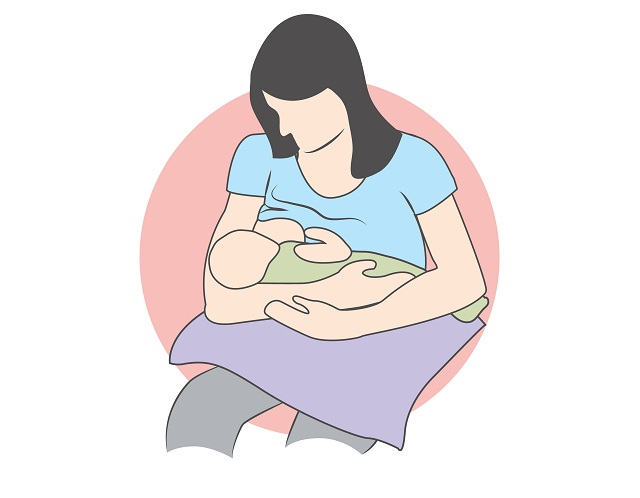
Yes, especially if you're breastfeeding. Your body still needs extra nutrients to support milk production and recovery. Postnatal or continued prenatal supplementation can help meet these needs.
6. Can I get too much of certain nutrients?
Yes. Too much Vitamin A (in retinol form), Vitamin E, or other fat-soluble vitamins can be harmful. Always stick to the recommended daily values and consult your healthcare provider before adding extra supplements.
7. Is it safe to combine a prenatal vitamin with other supplements?
It depends. Combining multiple supplements can lead to excessive intake of certain vitamins or minerals. Always check with your doctor before combining prenatal vitamins with additional supplements like calcium, DHA, or herbal remedies.
8. Are there prenatal vitamins for vegetarians or vegans?
Yes. Look for plant-based prenatal vitamins that are labeled vegan or vegetarian. These usually contain iron from non-animal sources and plant-based DHA from algae.
It takes a village to raise a child !
Join our Facebook group Preschools & Kindergartens in Hong Kong to interact with other parents.