• My Home
  • Community
  • Facebook
  • babyment@babyment.com
Canvas Logo Canvas Logo
  • Home
  • Conceiving
    • Get Pregnant Fast
    • Nutrient For Fertility
    • IVF in Singapore
  • Pregnancy
    • Safe To Eat During Pregnancy?
    • Discomfort and Solution
    • Pregnancy Care
    • Buying Guide
    • Zika and Pregnancy
    • Birth Delivery
    • Baby Names
    • Chinese Baby Names
    • Nutrition During Pregnancy
    • Pregnancy Week By Week
  • 0-1 Year
    • Safe For Baby To Eat?
    • Breastfeeding
    • Baby Bonus
    • About Hiring Maid
    • Baby Food Recipes
    • Confinement Care
    • Daily Baby Care
  • 1-3 Year
    • HFMD
    • Children Daily Care
    • Early Education
  • Directories
    • Preschool Open House, School Tour
    • Gynaecologists
    • Pediatricians
    • Nursing Rooms
    • Kindergarten
    • Child Care Centres
    • Baby Clinics

The Power of Play: How Unstructured Play Shapes Brain Architecture
  • Babyment
  • Babyment

 The Power of Play: How Unstructured Play Shapes Brain Architecture

In an age of scheduled enrichment classes and digital distractions, unstructured play is often overlooked. But according to experts, including those at Harvard’s Center on the Developing Child, free play is far more than just fun—it’s a fundamental force that shapes the developing brain.

What Is Unstructured Play?

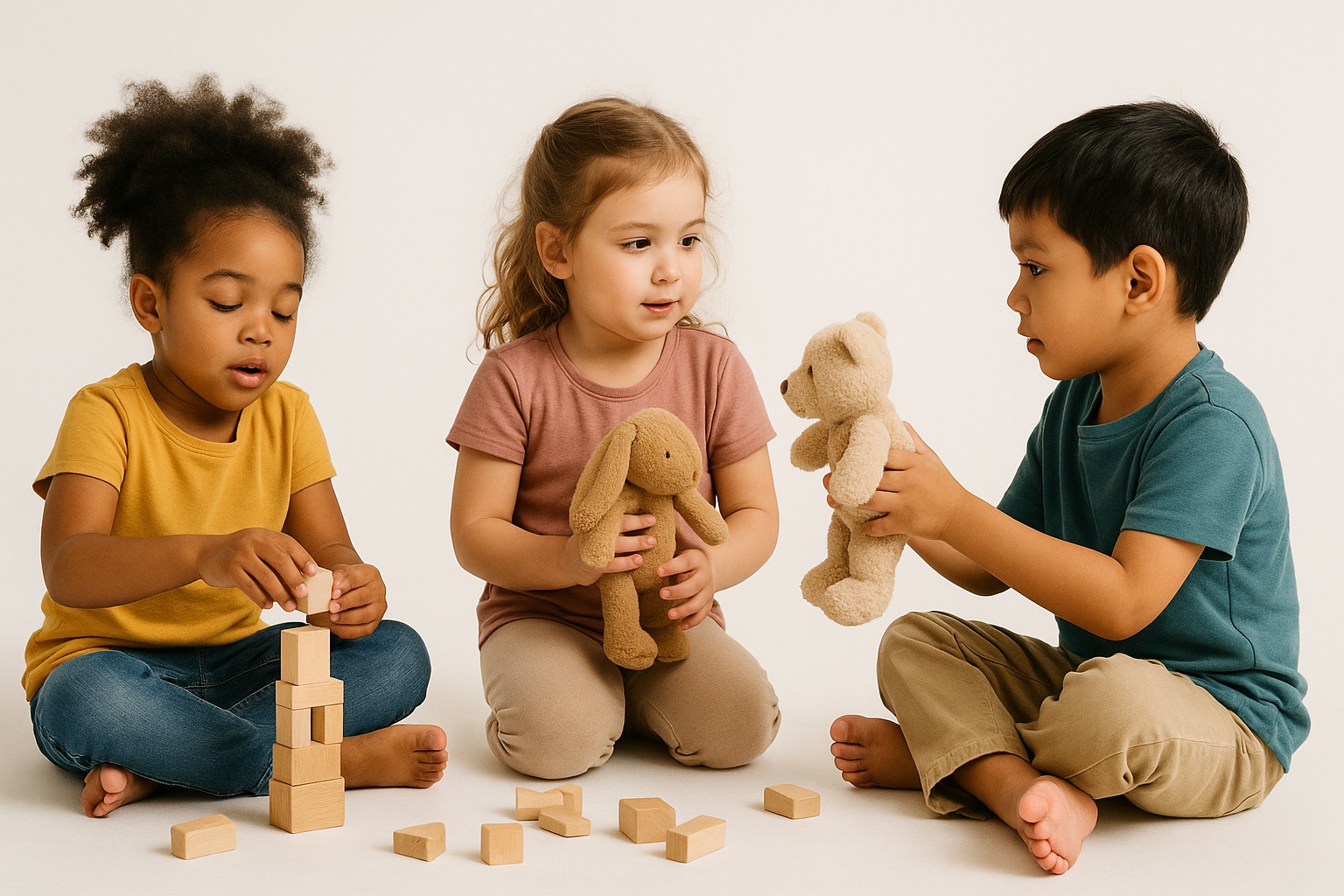
Unstructured play refers to open-ended, self-directed activity without specific goals, rules, or adult direction. It includes pretend games, exploring outdoors, building with blocks, and creating stories or art with whatever materials are at hand. The child decides what to do, how to do it, and for how long.

How the Brain Builds Through Play

According to Harvard’s research on brain architecture, early experiences—particularly repeated, positive experiences like play—help build neural connections. These form the foundation for lifelong learning, behavior, and health.

Key Benefits of Unstructured Play:

  • Executive Function Skills: Through imaginative scenarios, kids practice problem-solving, self-regulation, and working memory.
  • Emotional Development: Play helps children process emotions, develop empathy, and manage stress.
  • Language and Communication: Children use rich vocabulary and narrative structures in pretend play, supporting literacy and expression.
  • Social Skills: When children play with peers, they learn negotiation, cooperation, and conflict resolution.

The Science Behind It

Harvard’s Center on the Developing Child emphasizes that early brain development is experience-dependent. Neural circuits are strengthened by active engagement, not passive consumption. Unstructured play, by its nature, encourages creativity, flexibility, and adaptive thinking—skills linked to long-term cognitive resilience.

In one study, children who engaged in regular imaginative play showed stronger connections in brain areas related to social cognition. Another study linked free play to improved impulse control and attention span in preschoolers.

What’s at Risk Without It?

Increasing screen time and structured schedules have led to a decline in unstructured playtime. This shift may compromise development of core brain systems involved in self-control, planning, and emotional regulation. In fact, experts warn that a lack of play can contribute to anxiety, attention issues, and reduced academic performance later in life.

How Parents and Educators Can Support Play

  • Set aside regular time for free play—indoors and outdoors
  • Limit screens and overly structured activities
  • Offer safe, open-ended materials like blocks, art supplies, or natural objects
  • Resist the urge to direct or solve problems—let children lead
  • Model curiosity and joy in exploration

Conclusion

Unstructured play is not a luxury—it’s a developmental necessity. The latest neuroscience confirms what generations of parents have known intuitively: when children play freely, they build stronger brains. By protecting time and space for imaginative play, we nurture the architects of tomorrow’s creativity, resilience, and innovation.

It takes a village to raise a child !

Join our Facebook group Preschools & Kindergartens in Hong Kong to interact with other parents.
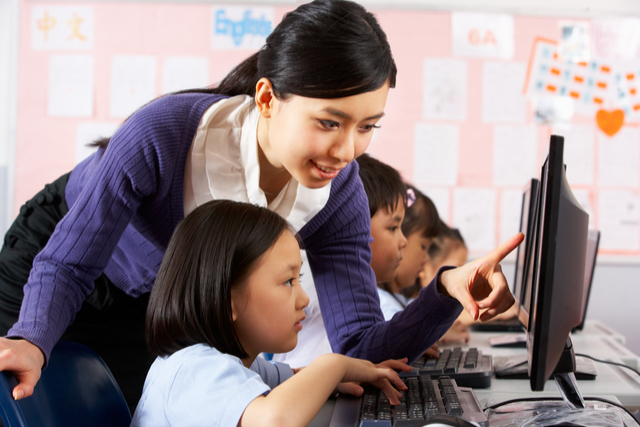
 Computer literacy is therefore an essential skill that children need in order to maneuver through a society that is abound with technology.

Computer Skills for Young Children

Computer Skills for Young Children:Computer literacy is therefore an essential skill that children need in order to maneuver through a society that is abound with technology.
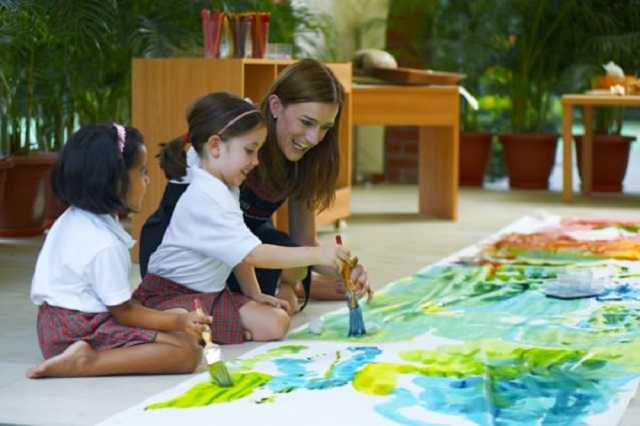
 Children enjoy the physical sensation of paint dragging across the canvas or squishing clay with their fingers. Are these activities valuable, even if they do not turn into a polished ‘finished’ product? Parents and teachers might find only a ‘finished’ product the proof of ‘successful’ learning. Considering a young child from a developmental perspective, might we expect too much ‘product’ too soon and simultaneously expect too little ‘process’ at all ages? Exactly how does a caring parent or teacher foster creativity and experimentation within a child?

Fostering Creativity: Valuing Process Over Product

Children enjoy the physical sensation of paint dragging across the canvas or squishing clay with their fingers. Are these activities valuable, even if they do not turn into a polished ‘finished’ product? Parents and teachers might find only a ‘finished’ product the proof of ‘successful’ learning. Considering a young child from a developmental perspective, might we expect too much ‘product’ too soon and simultaneously expect too little ‘process’ at all ages? Exactly how does a caring parent or teacher foster creativity and experimentation within a child?
  • Popular
  • Recent
Tantrums in Children

Tantrums in Children

  • 35 Comments
Period or pregnancy symptoms

Period or Pregnancy Symptoms

  • 24 Comments
Breastfeeding Positions

Breastfeeding Positions

  • 19 Comments
Pregnancy Nutrition

Pregnancy Nutrition

  • 10th Jan 2017
Harmful effect of sugar on baby

Why no sugar for baby

  • 16th Jan 2017
Inducing Labour

Inducing Labour

  • 18th Jan 2017

Our mission is to help parents and parents-to-be to save time and moneyin pregnancy and parenting journey.

Headquarters:
#06-15 Nordcom 1
3 Gambas Cres, Singapore 757088
Email:hk@babyment.com

Babyment®

  • About Us
  • Contact Us

Popular Articles

How to increase breast milk supply

  • 10th July 2014

Early Symptoms of Autism in Children

  • 10th July 2014
Like us
on Facebook
Copyrights © 2019 All Rights Reserved by Babyment®
Terms of Use / Privacy Policy
hk@babyment.com · ·