
Raising Problem Solvers: From Obedience to Critical Thinking
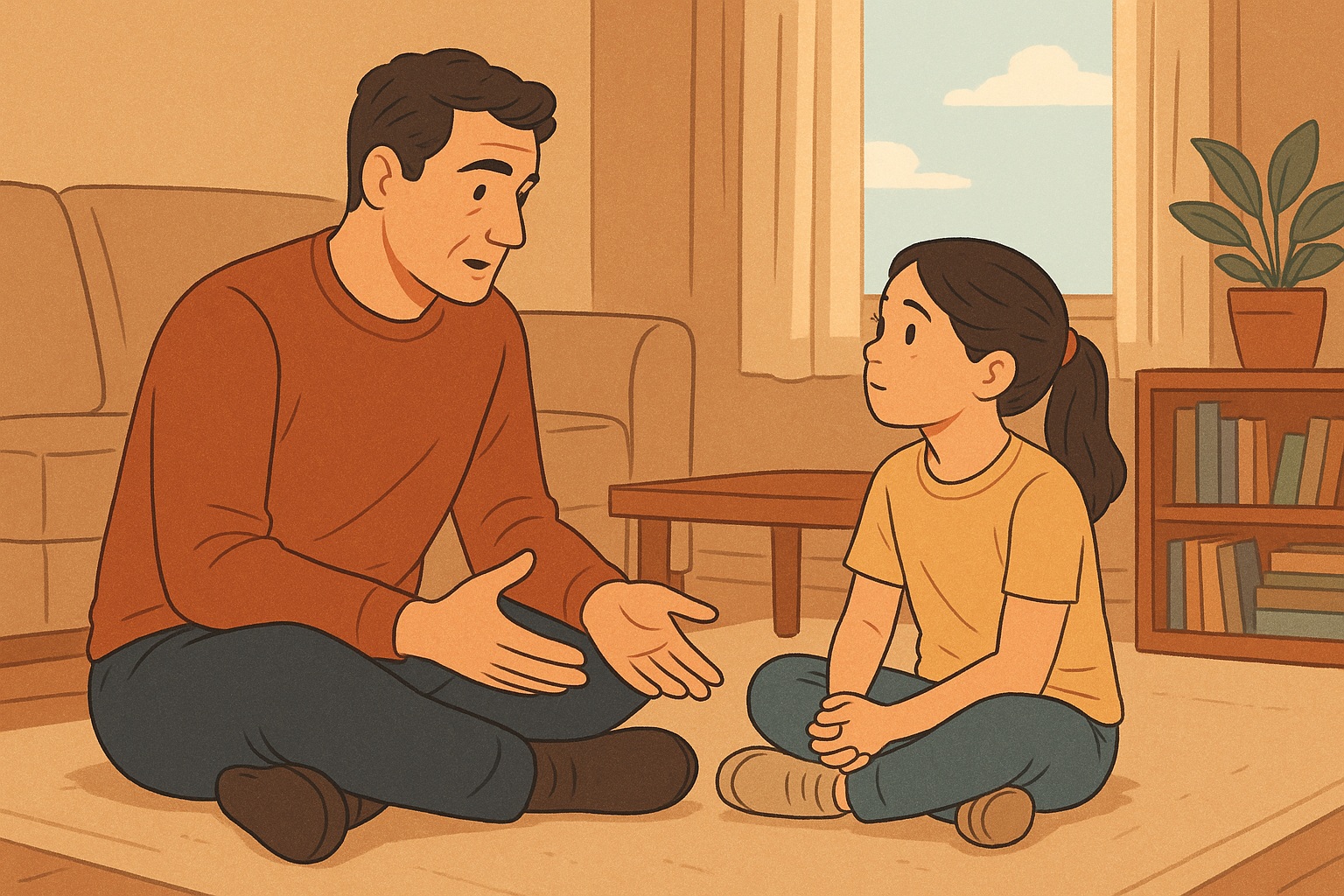
Raising Problem-Solvers: From Obedience to Critical Thinking
In a world that demands adaptability, creativity, and thoughtful decision-making, raising children who can think critically is more important than ever. While traditional parenting often emphasizes obedience, there's a growing movement toward nurturing problem-solvers—children who can reflect, question, and reason. One key strategy? Reflective discipline.
What Is Reflective Discipline?
Reflective discipline goes beyond simply correcting behavior. It invites children to think about their actions, understand consequences, and explore alternative choices. Instead of saying, “Because I said so,” it asks, “What could you do differently next time?”
This approach builds skills like empathy, self-regulation, and perspective-taking, which are essential for long-term success—both socially and academically.
From Control to Connection
Many parenting models rooted in obedience rely on control and punishment. Reflective discipline, however, fosters connection and collaboration. Parents and children become partners in understanding what went wrong and how to make it right.
- Obedience-based discipline: Focuses on immediate compliance.
- Reflective discipline: Builds internal motivation and understanding.
How It Encourages Critical Thinking
When a child is invited to reflect, they must analyze the situation and come up with their own conclusions. This process mirrors the way adults approach real-life problems. For example:
- “Why did your sister get upset?”Encourages empathy and cause-effect reasoning.
- “What might be a better way to solve that?”Promotes creative problem-solving.
- “How did that decision make you feel?”Develops emotional awareness.
Real-Life Strategies for Parents
Here are some practical ways to foster reflective discipline at home:
- Use open-ended questions: Ask “What happened?” or “What can we do next time?”
- Pause before correcting: Give your child time to think and speak first.
- Model thinking aloud: Share your reasoning process so children can learn from you.
- Allow safe mistakes: Let children experience minor setbacks and help them reflect constructively.
Why It Matters Long-Term
Children raised with reflective discipline tend to:
- Have stronger executive function skills
- Be more emotionally resilient
- Show higher levels of independence and leadership
Ultimately, the goal is not just to raise children who follow rules, but to raise thinkers, leaders, and change-makers who can navigate the complexities of the modern world with insight and confidence.
Frequently Asked Questions (FAQ)
Is reflective discipline effective for toddlers?
Yes. Even toddlers can begin to recognize emotions and simple cause-effect relationships. Keep language simple and use modeling and gentle questions to guide their thinking.
What if my child just ignores reflective questions?
Consistency is key. Children may need time to adjust to this approach, especially if they’re used to more authoritative responses. Stay calm, patient, and keep modeling reflective thinking.
Does this mean no consequences?
No—consequences still matter. The difference is that consequences are framed in a way that promotes learning, not shame. Natural and logical consequences work best alongside reflection.
How does this help in school or social settings?
Reflective thinking strengthens communication, conflict resolution, and decision-making—all essential skills in classrooms, peer groups, and beyond.
It takes a village to raise a child !
Join our Facebook group Preschools & Kindergartens in Hong Kong to interact with other parents.