• My Home
  • Community
  • Facebook
  • babyment@babyment.com
Canvas Logo Canvas Logo
  • Home
  • Conceiving
    • Get Pregnant Fast
    • Nutrient For Fertility
    • IVF in Singapore
  • Pregnancy
    • Safe To Eat During Pregnancy?
    • Discomfort and Solution
    • Pregnancy Care
    • Buying Guide
    • Zika and Pregnancy
    • Birth Delivery
    • Baby Names
    • Chinese Baby Names
    • Nutrition During Pregnancy
    • Pregnancy Week By Week
  • 0-1 Year
    • Safe For Baby To Eat?
    • Breastfeeding
    • Baby Bonus
    • About Hiring Maid
    • Baby Food Recipes
    • Confinement Care
    • Daily Baby Care
  • 1-3 Year
    • HFMD
    • Children Daily Care
    • Early Education
  • Directories
    • Preschool Open House, School Tour
    • Gynaecologists
    • Pediatricians
    • Nursing Rooms
    • Kindergarten
    • Child Care Centres
    • Baby Clinics

How to Create a Safe and Stimulating Play Environment at Home
  • Babyment
  • Babyment

 How to Create a Safe and Stimulating Play Environment at Home

A child's play environment plays a crucial role in shaping their development. At home, you can create a space that's not only safe but also encourages creativity, independence, and learning. Whether you live in an HDB flat or a landed home in Singapore, here are practical tips to help you design the perfect play space for your baby or toddler.

1. Choose the Right Location

Pick a quiet corner of your home where your child can play independently yet remain within your line of sight. Ideally, this space should be away from potential hazards like kitchen stoves or sharp furniture edges. If space is tight, a dedicated play mat in the living room can work just as well.

2. Prioritise Safety First

Make the area baby-safe before introducing any toys or materials:

  • Use cushioned play mats or foam tiles to soften falls
  • Install safety gates and corner guards for furniture
  • Secure bookshelves and large toys to the wall to prevent tipping
  • Keep electrical outlets covered and cords out of reach

3. Use Open-Ended Toys

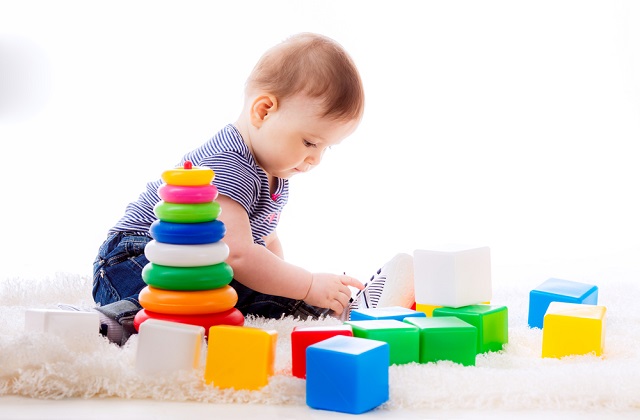
Toys that allow children to explore and imagine are best. Think building blocks, nesting cups, scarves, animal figurines, or sensory bins. These help build motor skills, creativity, and problem-solving abilities.

4. Create Defined Zones

If possible, divide the play area into mini "zones":

  • Reading nook with a child-sized bookshelf and soft cushions
  • Creative zone with crayons, paper, and craft supplies
  • Movement zone with space for gross motor activities like crawling, jumping, or baby yoga

5. Keep It Clutter-Free

A cluttered space can be overwhelming. Rotate toys regularly to keep things fresh. Use child-friendly storage bins to teach toddlers how to tidy up after play — it builds responsibility from an early age!

6. Involve Your Child in Setup

Letting your toddler help decorate or choose play items gives them a sense of ownership. You can even have themed weeks — like "underwater adventure" or "space exploration" — to keep them excited about the play space.

7. Embrace Natural Elements

Introduce wooden toys, indoor plants, or natural light to create a calming atmosphere. Montessori-inspired setups often use natural materials to help children feel grounded and focused.

8. Local Tip for Singapore Homes

With limited indoor space, many parents in Singapore maximise play areas using vertical storage or folding mats. You can also use window grills for sensory curtains or hang visual cards to stimulate your child's sight.

Conclusion

A thoughtfully designed play environment supports your child's curiosity, confidence, and cognitive growth. Start small and observe what your child enjoys — their interests will guide how the space evolves over time.

It takes a village to raise a child !

Join our Facebook group Preschools & Kindergartens in Hong Kong to interact with other parents.

 Computer literacy is therefore an essential skill that children need in order to maneuver through a society that is abound with technology.

Computer Skills for Young Children

Computer Skills for Young Children:Computer literacy is therefore an essential skill that children need in order to maneuver through a society that is abound with technology.
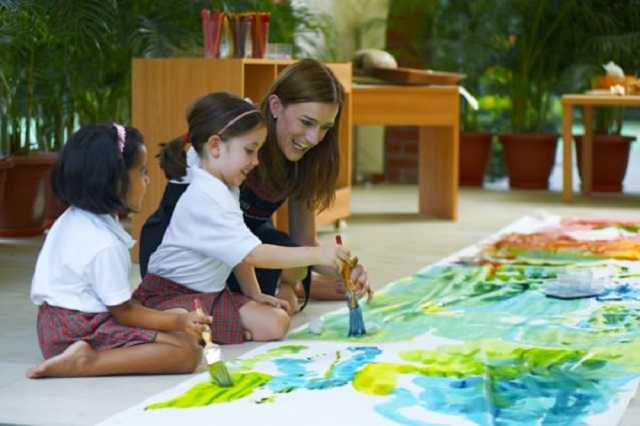
 Children enjoy the physical sensation of paint dragging across the canvas or squishing clay with their fingers. Are these activities valuable, even if they do not turn into a polished ‘finished’ product? Parents and teachers might find only a ‘finished’ product the proof of ‘successful’ learning. Considering a young child from a developmental perspective, might we expect too much ‘product’ too soon and simultaneously expect too little ‘process’ at all ages? Exactly how does a caring parent or teacher foster creativity and experimentation within a child?

Fostering Creativity: Valuing Process Over Product

Children enjoy the physical sensation of paint dragging across the canvas or squishing clay with their fingers. Are these activities valuable, even if they do not turn into a polished ‘finished’ product? Parents and teachers might find only a ‘finished’ product the proof of ‘successful’ learning. Considering a young child from a developmental perspective, might we expect too much ‘product’ too soon and simultaneously expect too little ‘process’ at all ages? Exactly how does a caring parent or teacher foster creativity and experimentation within a child?
  • Popular
  • Recent
Tantrums in Children

Tantrums in Children

  • 35 Comments
Period or pregnancy symptoms

Period or Pregnancy Symptoms

  • 24 Comments
Breastfeeding Positions

Breastfeeding Positions

  • 19 Comments
Pregnancy Nutrition

Pregnancy Nutrition

  • 10th Jan 2017
Harmful effect of sugar on baby

Why no sugar for baby

  • 16th Jan 2017
Inducing Labour

Inducing Labour

  • 18th Jan 2017

Our mission is to help parents and parents-to-be to save time and moneyin pregnancy and parenting journey.

Headquarters:
#06-15 Nordcom 1
3 Gambas Cres, Singapore 757088
Email:hk@babyment.com

Babyment®

  • About Us
  • Contact Us

Popular Articles

How to increase breast milk supply

  • 10th July 2014

Early Symptoms of Autism in Children

  • 10th July 2014
Like us
on Facebook
Copyrights © 2019 All Rights Reserved by Babyment®
Terms of Use / Privacy Policy
hk@babyment.com · ·