How To Encourage Your Child To Brush Teeth Properly
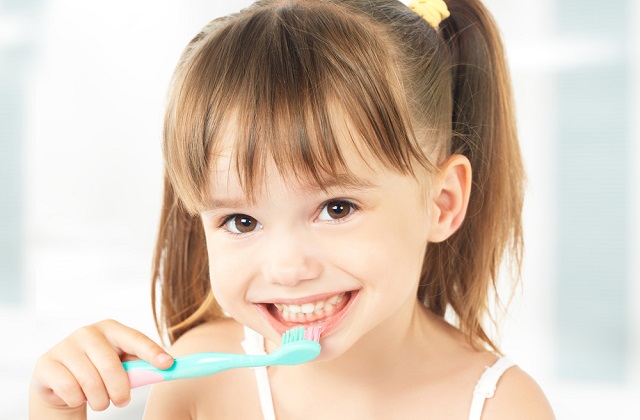
The brushing of teeth is the most effective way to prevent teeth decay or teeth cavity. Teeth decay is an infection caused by bacteria. If teeth decay or cavity is left untreated, it may lead to other diseases. Research and experiments have shown that the brushing of teeth can help to reduce the number of bacteria in the mouth by around 60%.
However, the brushing of the teeth may not be a particularly enjoyable experience for your little child. He or she may not like it and it is normal for him or her to reject it at the initial stage of introducing brushing for them.
Therefore, you must encourage your child to brush his or her teeth and make your child interested in brushing. At the same time, you should tell him or her the importance of brushing his or her teeth every day. This will help your child to make brushing teeth a daily habit.
When to start brushing your child's teeth
Once your child's first tooth start erupting, you can start taking care of his or her tooth using a toothbrush and toothpaste of the size of a grain of rice. Once your child turns 3 years old, you can use a pea-sized amount. Help your child brush twice a day on the insides and outsides of the teeth and on the tongue as well.
You should brush your child's teeth until he or she is able to hold the brush. Supervise the process until the child can rinse and spit without your help. This typically happens at around the age of 6.
To accelerate the process of acquiring the skill of brushing, teach your child not to swallow toothpaste and once he or she is able to do that, teach him or her how to rinse with water and spit.
Ways to encourage your child to brush his or her teeth:
1. Let him or her pick the supply
To make brushing teeth more interesting and fun, you should take your child to the supermarket or store and let her pick her own brushes and kinds of toothpaste. Your child may be so interested in a cartoon or colourful character that he or she cannot wait to try it out on his or her teeth. A toothpaste of a flavour that children like will also motivate them to brush their teeth daily. Just make sure that they do not swallow the toothpaste.
2. Be a role model for your child
Brushing your teeth in front of your child will send the message that it is something that is done daily. Children will tend to imitate, do what the parents or other adults do and follow suit in brushing their teeth.
3. Keep it positive
Make brushing a happy activity and do not scare your child by saying that he or she will need to visit the scary dentist for not brushing. Make your child enjoy brushing as much as possible.
4. Aim for four to five minutes
The guideline by American Dental Association is that it takes two full minutes to brush teeth properly. However, allow your child to take his or her time if he or she enjoys brushing and do not rush your child. Let him or her brush for four or five minutes or longer. If you aim for four minutes, you will most likely get your child to brush for at least two minutes.
5. Use animations and videos
Children tend to want to get it over with and thus, may scrub quickly or hard for several seconds rather than brushing for a proper two minutes. However, ten seconds of aggressive toothbrushing isn't adequate to clean the teeth properly. Hence, parents can teach them the importance of cleaning their teeth properly and slowly, such as using interesting educational animations on teeth brushing, or even playing the video while they are brushing.
6. Use a timer or hourglass
Using a time or hourglass to track time can ensure that children will have a concept of how long more they need to brush their teeth. This will make sure that they will brush adequately and for the proper duration of time. This method can be used for children below the age of 7.
7. Teach them the proper technique to brush in front of a mirror
The brushing technique of teeth is important. An improper way of brushing will not only leave many bacteria inside the mouth but also hurt the gums. When teaching their children the right way to brush, parents can brush together with them. When you demonstrate, you will also need to explain the procedure to your child. At the beginning, do not use toothpaste until your child has mastered the technique.
Allowing your child to brush in front of a mirror helps in the early stages because as you demonstrate and help your child brush his or her teeth, he or she will be able to see your actions clearly and learn better.
8. Brush teeth in front of the sink
Have your child to strictly brush in the sink and in front of the mirror. If he or she is too short to reach the sink, use a stool. Do not have children brush on the toilet seat or anywhere else as they are bound to get distracted and uninterested in the brushing activity. This will be a barrier to cultivating their interest and adeptness in brushing.
Once your child is able to brush his or her teeth, you can train your child to be able to brush at other places as well, including your relatives' bathroom or in a camp. This will allow your child to know that brushing should be regular, necessary and not limited by the location they are at.
9. Do not use the gauze
Once your child has his or her first tooth, avoid using the gauze to clean it as this will confuse him or her. Instead, just use the toothbrush to clean their teeth right at the start. Using the gauze will also delay parents of teaching their child the proper way to brush. The trick is to get them used to brushing before they have the opportunity to form an opinion about whether brushing is enjoyable or desirable.
10. Make it a family activity
If you have multiple children, allow them to brush together with their siblings and have fun. You can also accompany your child and brush your teeth together with him or her.
It takes a village to raise a child !
Join our Facebook group Preschools & Kindergartens in Hong Kong to interact with other parents.