How To Develop Resilience In Your Child
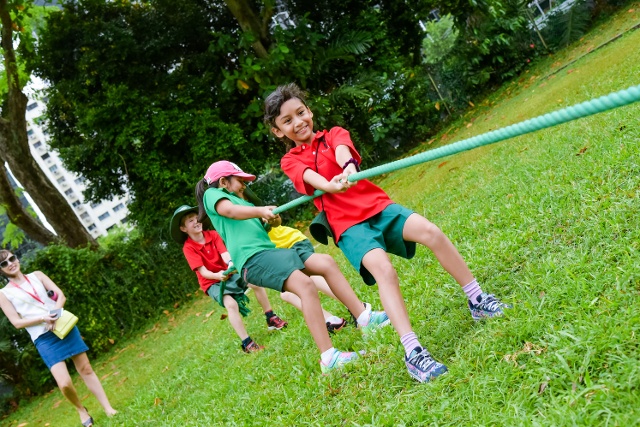
The ability to bend and flex in the wind is what makes a growing tree strong; modern buildings are built to sway when the earth shakes. People need resilience to bend and flex through the winds of uncertainty and remain standing through the emotional earthquakes.
What makes a person resilient?
Resilience is the ability to bend and flex in the face of difficulty and stress but still remain standing. It is so deeply connected to happiness, success and confidence that it can be confused with those qualities. Resilience is, in fact, the foundation of most traits.
Happy people are so because they are not overly dragged down by the dramas of life - which is actually a measure of their resilience. Resilient people may not actually be more successful but appear to be so because they remain almost unaffected by difficulties. Confidence and resilience look similar because a confident person and a resilient person can both continue on through challenges without becoming burdened by the opinions of others. However, confident people often misjudge others while resilient people can still be very empathetic. Resilience is actually a key trait, upon which other traits are more easily built.
Developing resilience begins in the early years
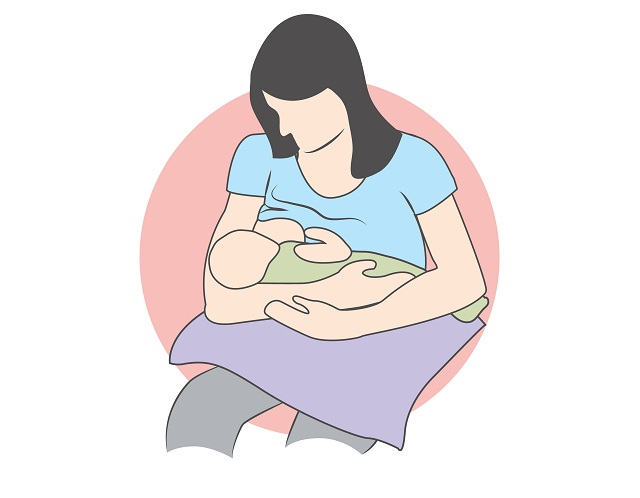
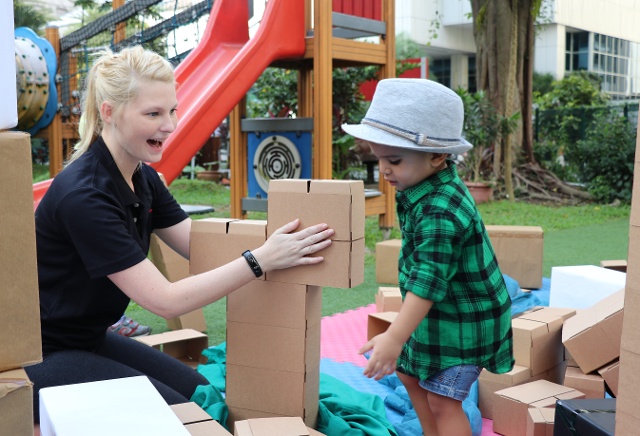
Resilience is a vitally important trait and I believe its establishment begins in the earliest months of our life. If you are a parent of an infant, now is the best and most effective time to begin developing resilience. Infants need their caregivers to provide loving and consistent support. When infants receive that adequately, their stress hormone levels drop, they relax and are able to trust. Hence, whenever an infant experiences stress, calls out for help and gets a consistent calm response from the adult – the stress-consistent response cycle emerges. This builds a deep belief that problems can always be sorted out, and that stress should be responded to without fear and aggression.
It is quite a simple formula: We learn to be calm from being around others who are calm. Stressed responses teach us to respond with stress; calm responses teach us to respond with calmness. It is like a muscle which gets stronger every time it is used. It is never too late to begin establishing this simple formula - bring calmness to any situation by changing your own reactions, anywhere and anytime.
It is also never too late to begin building resilience in your child! If you find that your child’s ability to cope is somewhat lower than you would like, here are three simple things you can do.
1. Keep it calm
First, check your responses to stressful, challenging situations. How do you react? Are you calm? We can be more resilient in some environments than others. Good teachers and coaches can help to build resilience. Extended family members can also play a part; anyone who models calmness in challenging situations is a very good role model for your child.
2. Notice positive behaviours
If your child is having difficulty coping in some situations, it is important to note the situations they are doing well in. If they are happy and resilient at school, be sure to notice and point it out to them. Are they confident on the train, the escalator, at their grandma’s house? Be sure to notice. This helps you and them to see their strengths and build on that in other places where they are not as resilient.
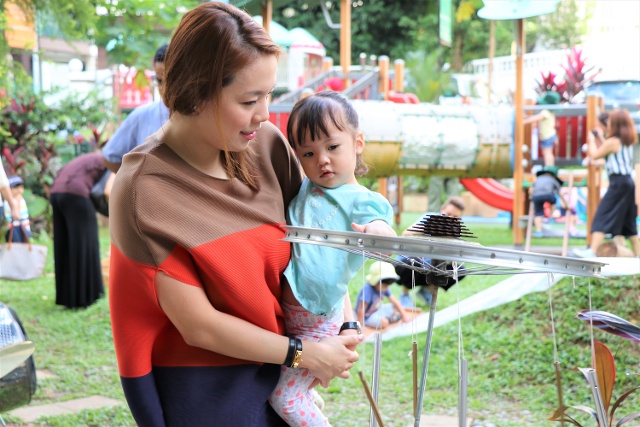
When they are coping well, this is the perfect moment to point it out - little comments like “Nice work staying calm” or “I like the way you faced that challenging situation.” However, when they are not coping well, be careful not to let experiences cross over. Avoid saying “You were doing so well, what went wrong now?!” That sort of comment erodes resilience and creates doubt.
Also, be even more careful not to wrap your praise with insults by saying, “You are doing really well now, which is so much better than you were doing a little while ago.” Reminding people of their mistakes or shortcoming is never helpful, and it is terrible for growing resilience in your child.
3. Take time to be happy
Slow down, developing resilience takes time. Noticing strengths takes time; developing calm coping strategies takes time and practice. We rush too much in life and rushing around inevitably creates stress. It is no surprise that calm people tend to move more slowly; building resilience is a process of calm response - there is no shortcut. Enjoy yourself, enjoy each other.
The beauty of resilience is that you learn it by doing it. Calmness grows as you invest in it and when you become calmer, you have more space to enjoy. As you enjoy more, your joy grows and it is easier to cope with challenges. The ability to bend and flex helps you and everyone else; it is truly the most precious gift we can give our children.
Source: Parenting Tips: How to Make Develop Resilience in Your Child
It takes a village to raise a child !
Join our Facebook group Preschools & Kindergartens in Hong Kong to interact with other parents.