• My Home
  • Community
  • Facebook
  • babyment@babyment.com
Canvas Logo Canvas Logo
  • Home
  • Conceiving
    • Get Pregnant Fast
    • Nutrient For Fertility
    • IVF in Singapore
  • Pregnancy
    • Safe To Eat During Pregnancy?
    • Discomfort and Solution
    • Pregnancy Care
    • Buying Guide
    • Zika and Pregnancy
    • Birth Delivery
    • Baby Names
    • Chinese Baby Names
    • Nutrition During Pregnancy
    • Pregnancy Week By Week
  • 0-1 Year
    • Safe For Baby To Eat?
    • Breastfeeding
    • Baby Bonus
    • About Hiring Maid
    • Baby Food Recipes
    • Confinement Care
    • Daily Baby Care
  • 1-3 Year
    • HFMD
    • Children Daily Care
    • Early Education
  • Directories
    • Preschool Open House, School Tour
    • Gynaecologists
    • Pediatricians
    • Nursing Rooms
    • Kindergarten
    • Child Care Centres
    • Baby Clinics

Encouraging Language Development in Toddlers
  • Babyment
  • Babyment

 Encouraging Language Development in Toddlers

Language development is one of the most exciting milestones in early childhood. Between the ages of 1 and 3, toddlers experience a language explosion—learning new words almost daily. As a parent, you play a vital role in helping your child develop strong communication skills that lay the foundation for success in school and beyond.

Typical Language Milestones

Every child develops at their own pace, but here are some general milestones:

  • By 12 months: Babbling, saying simple words like “mama” or “dada”
  • By 18 months: Vocabulary of about 10–20 words; understands simple instructions
  • By 24 months: Combines two words; vocabulary of 50+ words
  • By 36 months: Speaks in short sentences; strangers can understand about 75% of what they say

How to Support Your Toddler’s Language Growth

1. Talk to Your Child Often

Engage your child in conversation throughout the day, even if they can't reply in full sentences yet. Describe what you’re doing, label objects, and ask open-ended questions like “What do you see?”

2. Read Together Daily

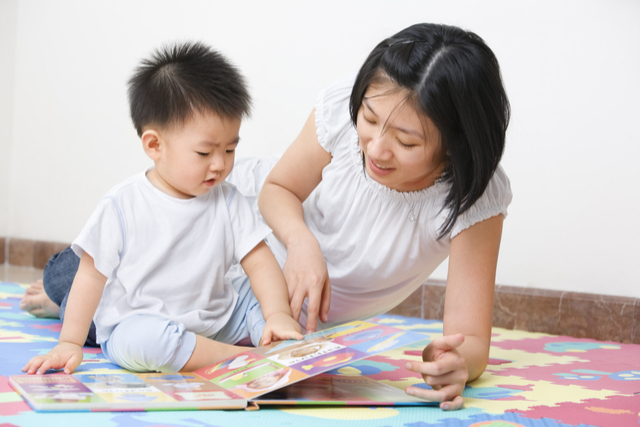
Reading is one of the best ways to build vocabulary. Choose picture books, nursery rhymes, and interactive stories. Point to pictures and name them, encourage your child to repeat or finish sentences, and discuss what’s happening in the story.

3. Sing Songs and Recite Rhymes

Nursery rhymes and songs like “Twinkle Twinkle Little Star” introduce rhythm and repetitive language, which helps toddlers remember and learn new words.

4. Expand on What They Say

If your toddler says “ball,” you can expand by saying, “Yes, that’s a big red ball.” This shows them how to build more complex sentences naturally.

5. Limit Screen Time

While educational videos can be beneficial in moderation, real-life interaction is far more effective. Aim for screen-free play and conversations to boost social and language skills.

6. Use Everyday Moments as Learning Opportunities

Daily activities like grocery shopping, mealtime, and bath time can be rich in language learning. Name items, ask questions, and describe actions. For example: “We’re washing your toes—look at the bubbles!”

7. Respond and Imitate

When your child babbles or talks, respond enthusiastically. Imitating their sounds and gestures encourages two-way communication, even before full words are spoken.

When to Be Concerned

Children develop at different speeds, but consider seeking professional advice if:

  • No babbling by 12 months
  • No words by 18 months
  • Difficulty understanding simple commands by 24 months
  • Very limited speech or unclear words by age 3

A speech-language therapist can provide an assessment and guide you with supportive strategies.

Conclusion

Encouraging language development is about connection, not correction. Be patient, celebrate small milestones, and turn everyday moments into learning adventures. Your support and attention are the most powerful tools in helping your toddler become a confident communicator.

It takes a village to raise a child !

Join our Facebook group Preschools & Kindergartens in Hong Kong to interact with other parents.

 Computer literacy is therefore an essential skill that children need in order to maneuver through a society that is abound with technology.

Computer Skills for Young Children

Computer Skills for Young Children:Computer literacy is therefore an essential skill that children need in order to maneuver through a society that is abound with technology.
 Children enjoy the physical sensation of paint dragging across the canvas or squishing clay with their fingers. Are these activities valuable, even if they do not turn into a polished ‘finished’ product? Parents and teachers might find only a ‘finished’ product the proof of ‘successful’ learning. Considering a young child from a developmental perspective, might we expect too much ‘product’ too soon and simultaneously expect too little ‘process’ at all ages? Exactly how does a caring parent or teacher foster creativity and experimentation within a child?

Fostering Creativity: Valuing Process Over Product

Children enjoy the physical sensation of paint dragging across the canvas or squishing clay with their fingers. Are these activities valuable, even if they do not turn into a polished ‘finished’ product? Parents and teachers might find only a ‘finished’ product the proof of ‘successful’ learning. Considering a young child from a developmental perspective, might we expect too much ‘product’ too soon and simultaneously expect too little ‘process’ at all ages? Exactly how does a caring parent or teacher foster creativity and experimentation within a child?
  • Popular
  • Recent
Tantrums in Children

Tantrums in Children

  • 35 Comments
Period or pregnancy symptoms

Period or Pregnancy Symptoms

  • 24 Comments
Breastfeeding Positions

Breastfeeding Positions

  • 19 Comments
Pregnancy Nutrition

Pregnancy Nutrition

  • 10th Jan 2017
Harmful effect of sugar on baby

Why no sugar for baby

  • 16th Jan 2017
Inducing Labour

Inducing Labour

  • 18th Jan 2017

Our mission is to help parents and parents-to-be to save time and moneyin pregnancy and parenting journey.

Headquarters:
#06-15 Nordcom 1
3 Gambas Cres, Singapore 757088
Email:hk@babyment.com

Babyment®

  • About Us
  • Contact Us

Popular Articles

How to increase breast milk supply

  • 10th July 2014

Early Symptoms of Autism in Children

  • 10th July 2014
Like us
on Facebook
Copyrights © 2019 All Rights Reserved by Babyment®
Terms of Use / Privacy Policy
hk@babyment.com · ·