• My Home
  • Community
  • Facebook
  • babyment@babyment.com
Canvas Logo Canvas Logo
  • Home
  • Conceiving
    • Get Pregnant Fast
    • Nutrient For Fertility
    • IVF in Singapore
  • Pregnancy
    • Safe To Eat During Pregnancy?
    • Discomfort and Solution
    • Pregnancy Care
    • Buying Guide
    • Zika and Pregnancy
    • Birth Delivery
    • Baby Names
    • Chinese Baby Names
    • Nutrition During Pregnancy
    • Pregnancy Week By Week
  • 0-1 Year
    • Safe For Baby To Eat?
    • Breastfeeding
    • Baby Bonus
    • About Hiring Maid
    • Baby Food Recipes
    • Confinement Care
    • Daily Baby Care
  • 1-3 Year
    • HFMD
    • Children Daily Care
    • Early Education
  • Directories
    • Preschool Open House, School Tour
    • Gynaecologists
    • Pediatricians
    • Nursing Rooms
    • Kindergarten
    • Child Care Centres
    • Baby Clinics

6 Tips To Encourage Positive Behaviour In Children
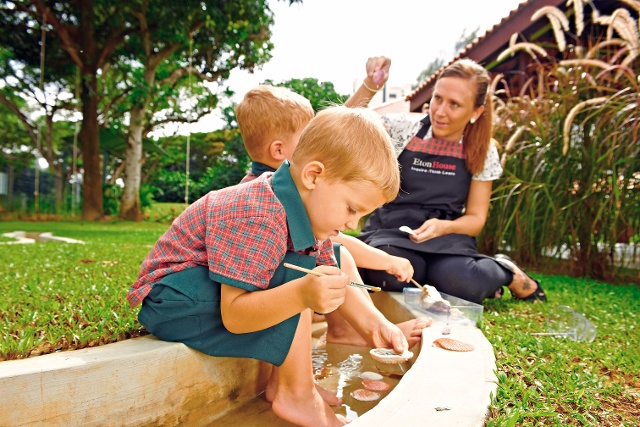
  • LEANNE SUNARYA, Excutive Director of Pedagogy
  • EtonHouse

 Tips To Encourage Positive Behaviour In Children

Are there any drawbacks to offering a reward (e.g., fun trip or activity, toy or game, money) to children for doing well in school? 

Everyone, adults and children alike, appreciate knowing they have done a good job. The danger in offering rewards, however, is that the result comes from an extrinsic motivation rather than an intrinsic one. This suggests that motivation is adult-controlled, regulated and administered. It has the potential to encourage a power and control a situation - viewed as disciplining rather than guiding.  

As a parent, it is imperative to learn how to positively guide your child in making good choices and support him in learning life skills and exercising self-direction. For your child, it is about learning to make decisions. By actively inviting your child to participate in establishing clear guidelines that highlight the expected behaviour, it helps him understand what acceptable behaviour and actions are. Not only does this process support the building of trusting and respectful relationship, it also enables the child to be more open to self-regulation and act from a positive attitude towards learning. They become self-directed and independent.

To guide your child, you can be intentional to: 

  1. Model expected behaviours and responses
  2. Listen to your child and respect his or her perspectives 
  3. Be consistent in your approach and responses. Consistency across varied environments is incredibly important. For example, home and school sharing the same approach and responses. 
  4. Verbally acknowledge demonstrations of positive interactions and behaviours shown by your child
  5. Remain calm throughout your interactions with children
  6. Label the behaviour/emotion and not your child.  
    For example, when a child grabs toy from another child, help him to recognise what he is feeling.  "I can see you are frustrated because your friend is using the toy you want, but when we grab at it your friend feels sad."
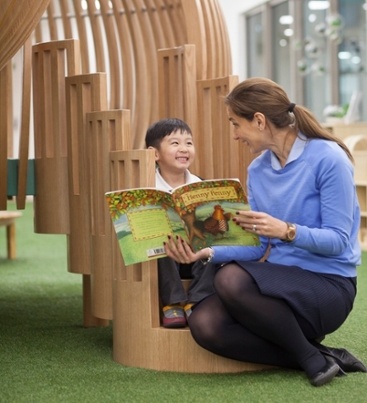
Tips To Encourage Positive Behaviour In Children

Positive guidance is a process that is reliant on relationships. If a reward needs to be given, it would be good to give your child the gift of your time and share an experience together to further develop the trusting bond between the both of you. It doesn't have to be a large family trip, it can be a simple shared moment of playing a game, reading a book or throwing a ball - it is 'being together' that is important, not the event itself. 

Source: 6 Tips To Encourage Positive Behaviour in Children

It takes a village to raise a child !

Join our Facebook group Preschools & Kindergartens in Hong Kong to interact with other parents.
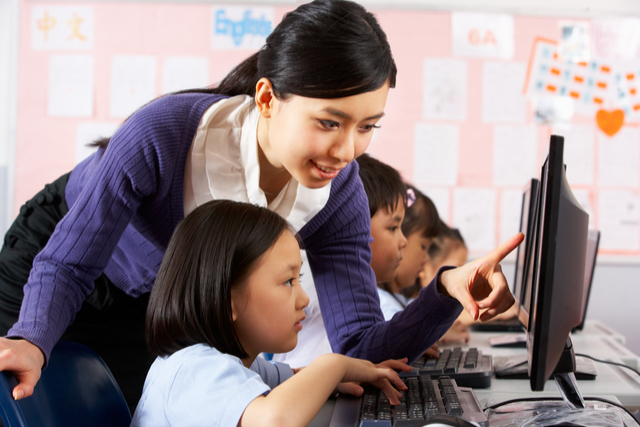
 Computer literacy is therefore an essential skill that children need in order to maneuver through a society that is abound with technology.

Computer Skills for Young Children

Computer Skills for Young Children:Computer literacy is therefore an essential skill that children need in order to maneuver through a society that is abound with technology.
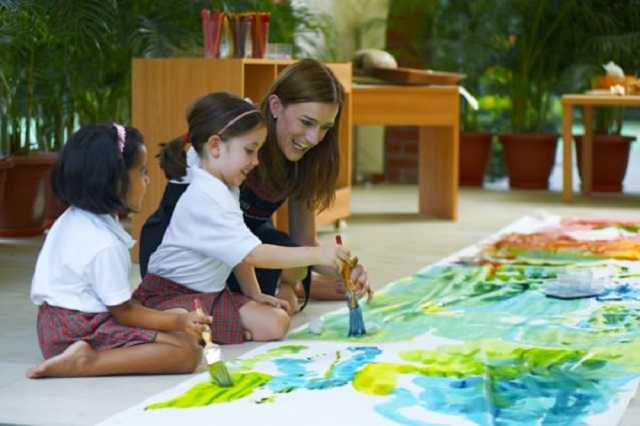
 Children enjoy the physical sensation of paint dragging across the canvas or squishing clay with their fingers. Are these activities valuable, even if they do not turn into a polished ‘finished’ product? Parents and teachers might find only a ‘finished’ product the proof of ‘successful’ learning. Considering a young child from a developmental perspective, might we expect too much ‘product’ too soon and simultaneously expect too little ‘process’ at all ages? Exactly how does a caring parent or teacher foster creativity and experimentation within a child?

Fostering Creativity: Valuing Process Over Product

Children enjoy the physical sensation of paint dragging across the canvas or squishing clay with their fingers. Are these activities valuable, even if they do not turn into a polished ‘finished’ product? Parents and teachers might find only a ‘finished’ product the proof of ‘successful’ learning. Considering a young child from a developmental perspective, might we expect too much ‘product’ too soon and simultaneously expect too little ‘process’ at all ages? Exactly how does a caring parent or teacher foster creativity and experimentation within a child?
  • Popular
  • Recent
Tantrums in Children

Tantrums in Children

  • 35 Comments
Period or pregnancy symptoms

Period or Pregnancy Symptoms

  • 24 Comments
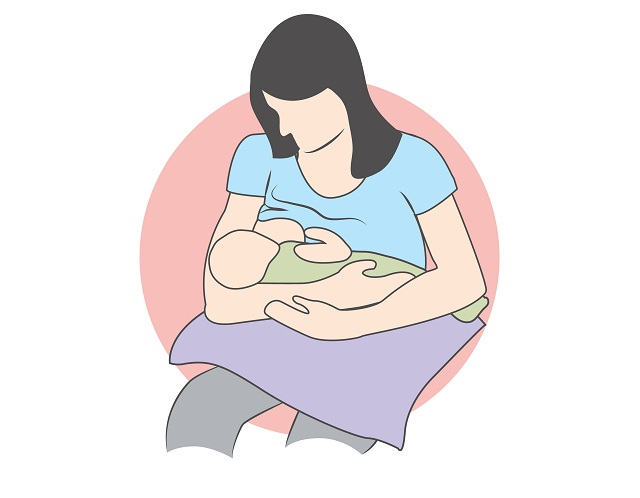
Breastfeeding Positions

Breastfeeding Positions

  • 19 Comments
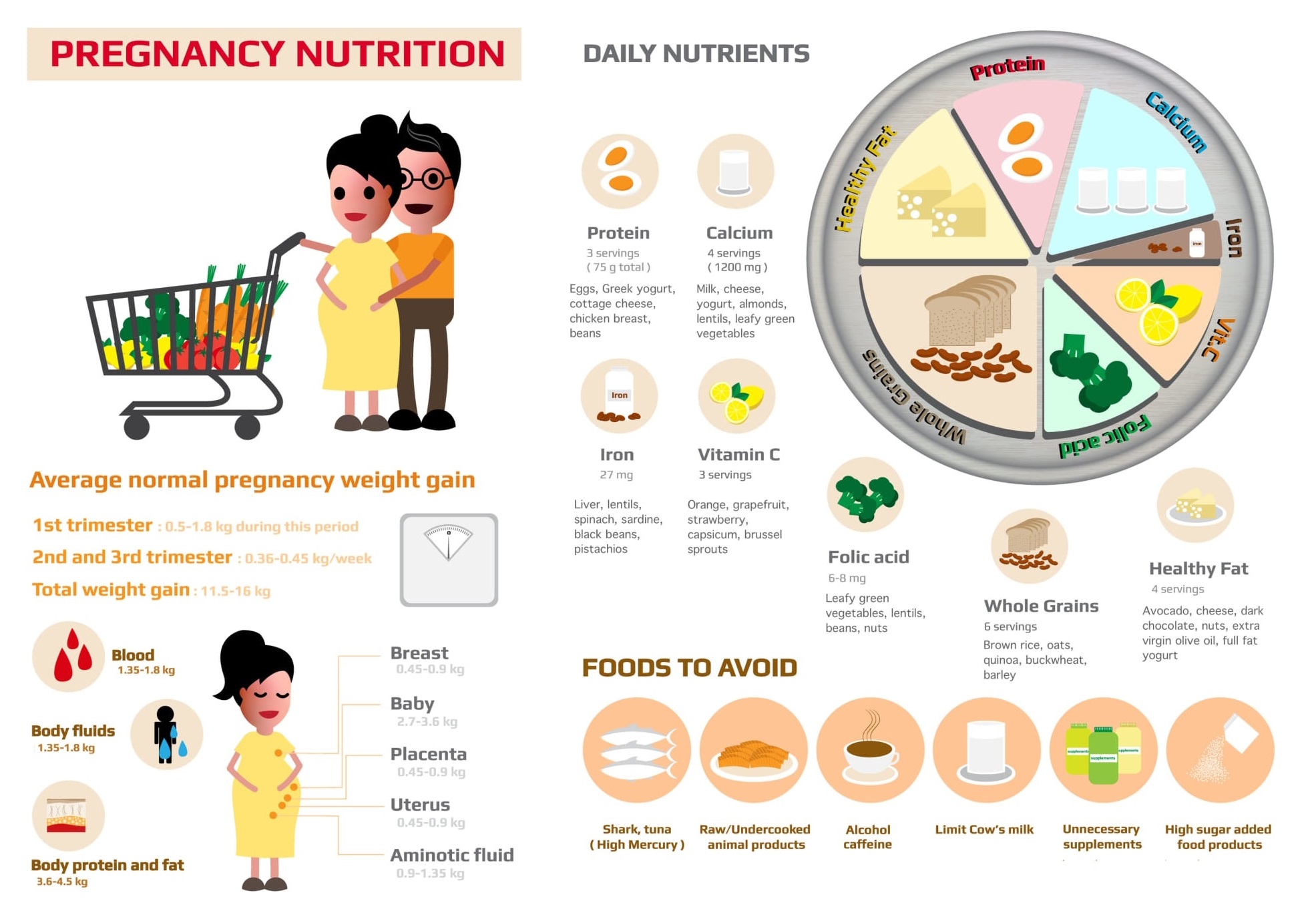
Pregnancy Nutrition

Pregnancy Nutrition

  • 10th Jan 2017
Harmful effect of sugar on baby

Why no sugar for baby

  • 16th Jan 2017
Inducing Labour

Inducing Labour

  • 18th Jan 2017

Our mission is to help parents and parents-to-be to save time and moneyin pregnancy and parenting journey.

Headquarters:
#06-15 Nordcom 1
3 Gambas Cres, Singapore 757088
Email:hk@babyment.com

Babyment®

  • About Us
  • Contact Us

Popular Articles

How to increase breast milk supply

  • 10th July 2014

Early Symptoms of Autism in Children

  • 10th July 2014
Like us
on Facebook
Copyrights © 2019 All Rights Reserved by Babyment®
Terms of Use / Privacy Policy
hk@babyment.com · ·