How To Tell You Are Pregnant
If you are pregnant, the following changes will be observed in your body:
Missed period
Once the embryo implants itself in the uterus, your body produces a hormone called human chorionic gonadotropin (hCG) that tells the body to stop releasing eggs every month. If your period is delayed for more than 10 days, it is likely that you are pregnant. You should take a pregnancy test to confirm if you are pregnant.
Swollen breasts
When you are pregnant, there are significant hormone changes in your body. These hormone changes increase blood flow and cause changes in your breast tissues. This might make your breasts feel tender, swollen and slightly sore. This usually starts around 4 weeks of pregnancy and lasts throughout your first trimester.
Nausea
This is better known as morning sickness. Although it is termed ‘morning sickness’, it may occur at any time of the day. You may have sudden urges to vomit. Nausea starts occurring around the fourth week of your pregnancy. To help relieve nausea, eat food in small amounts and drink plenty of water. You should avoid foods that will trigger your nausea.
Fatigue or tiredness
Your progesterone levels increase during pregnancy and this may make you feel more sleepy. Try to get more rest by going to bed earlier. You should also keep your room temperature cool as pregnant women have a higher body temperature. This is because the increased blood flow in the body boosts metabolism, which generates more body heat.
Constipation
Due to the rise in levels of progesterone in your body, your digestive system can slow down, causing constipation. To relieve constipation, drink plenty of water and eat more foods that are rich in dietary fibre. Foods high in fibre include vegetables, fruits, grains, nuts, seeds and legumes.
Frequent Urination
Due to expansion of the uterus after pregnancy, it exerts pressure on the bladder. As a result, expectant mothers tend to urinate more often. However, this phenomenon is usually not common in the early stages of pregnancy as the baby is still relatively small.
Pregnancy test kit or paper
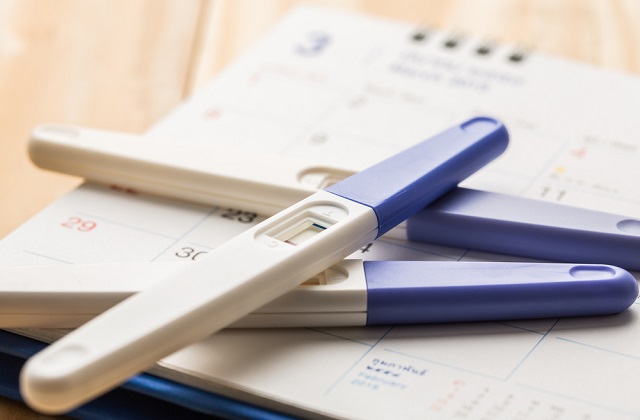
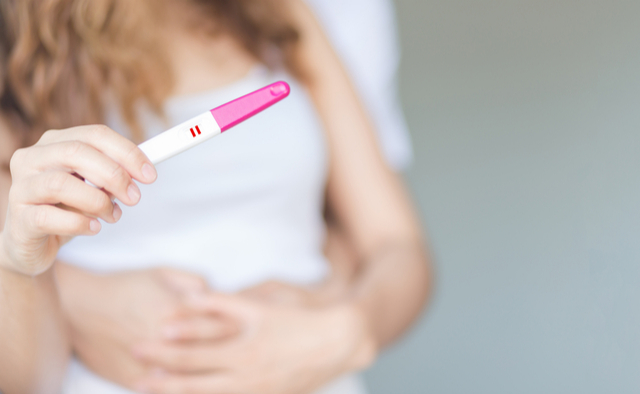
The most accurate way of telling if you are pregnant or not is to take a pregnancy test. A pregnancy test kit works by testing for the presence of a hormone called human chorionic gonadotropin (hCG) in your urine. hCG is produced right after a fertilised egg implants itself on the uterus wall.
This usually happens 6 days after fertilisation, so you should only carry out the pregnancy test at least 6 days after sex, or 10 days after a missed period. You can get a pregnancy test kit at any drugstores or pharmacy. Remember to follow the instructions on the manual of the pregnancy test to get the most accurate results.
Typically, the first urine after you wake in the morning will generate the most accurate test results as your urine is more concentrated.
Once the pregnancy test paper indicates that you are pregnant, it is recommended that you do a confirmation check at the gynaecological clinic or hospital.
You may want to check period or pregnancy if you are confused about the signs of pregnancy and your period.
It takes a village to raise a child !
Join our Facebook group Preschools & Kindergartens in Hong Kong to interact with other parents.