Understanding Gestational Diabetes: Risk Factors, Screening, and GDM Friendly Foods
Understanding Gestational Diabetes
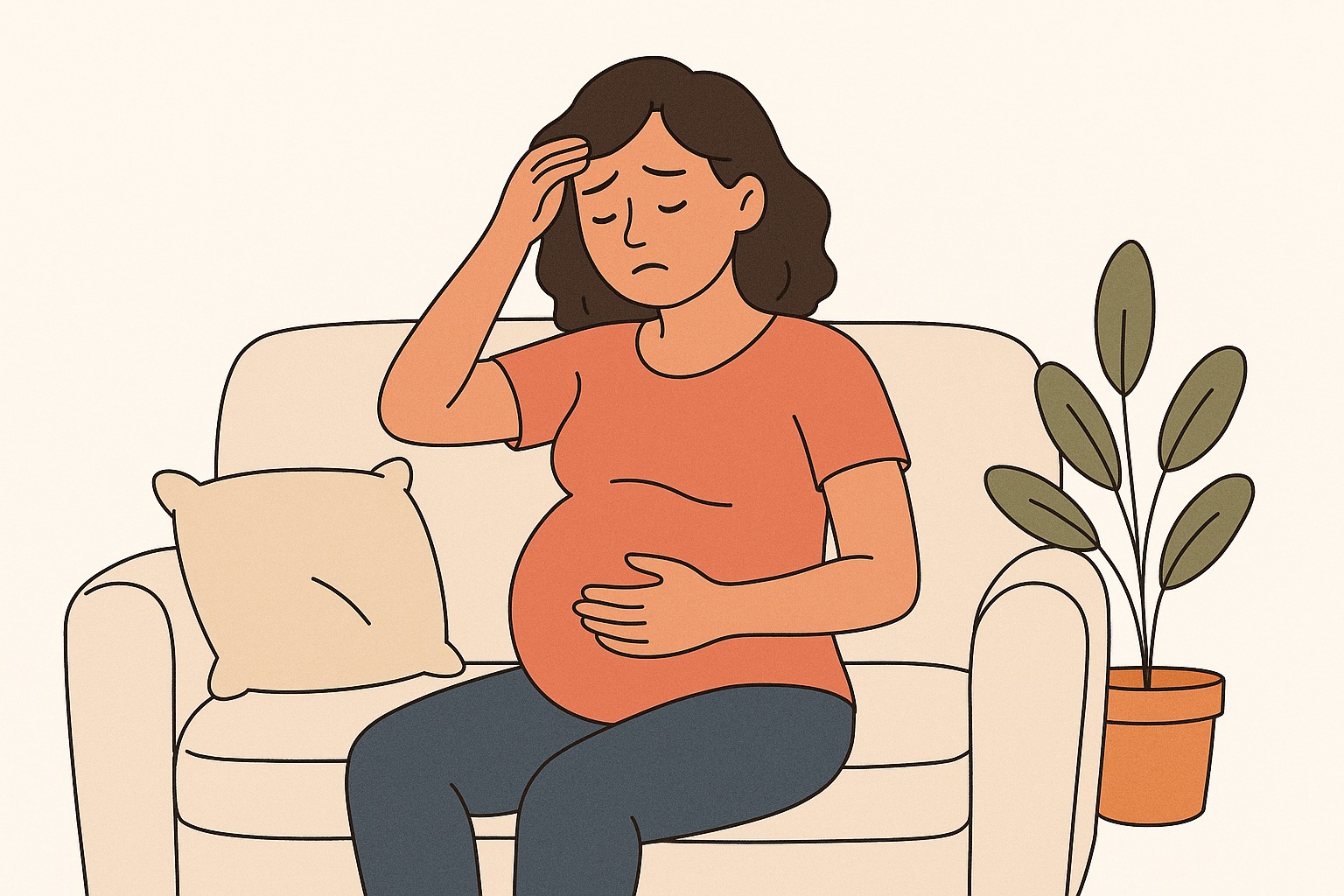
Gestational diabetes mellitus (GDM) is a condition in which blood sugar levels rise during pregnancy, even in women who did not have diabetes before. It affects around 1 in 5 pregnancies in Singapore, according to the Ministry of Health (MOH). While it usually resolves after childbirth, GDM requires careful management to protect both mother and baby.
Why Gestational Diabetes Matters
Uncontrolled GDM can increase the risk of complications such as:
- Excessive birth weight (macrosomia), making delivery more difficult.
- Preterm birth and associated breathing problems.
- Neonatal hypoglycemia (low blood sugar in newborns).
- Increased risk of preeclampsia for the mother.
- Higher lifetime risk of type 2 diabetes for both mother and child.
Risk Factors for Gestational Diabetes
While any pregnant woman can develop GDM, certain factors raise the risk:
- Age above 35 years.
- Family history of type 2 diabetes or GDM.
- Overweight or obesity before pregnancy.
- Previous baby weighing over 4 kg at birth.
- History of miscarriage or stillbirth.
- Polycystic ovary syndrome (PCOS).
- Belonging to high-risk ethnic groups (including Asian populations).
Local Screening Practices
In Singapore, GDM screening is a standard part of antenatal care. The Oral Glucose Tolerance Test (OGTT) is typically performed between 24 and 28 weeks of pregnancy. Women with higher risk factors may be screened earlier.
The test involves fasting overnight, drinking a glucose solution, and measuring blood sugar levels at fasting, 1 hour, and 2 hours after ingestion. A diagnosis is made if any of the values exceed recommended thresholds set by the World Health Organization (WHO) and adopted locally.
GDM-Friendly Foods: Practical Guidelines
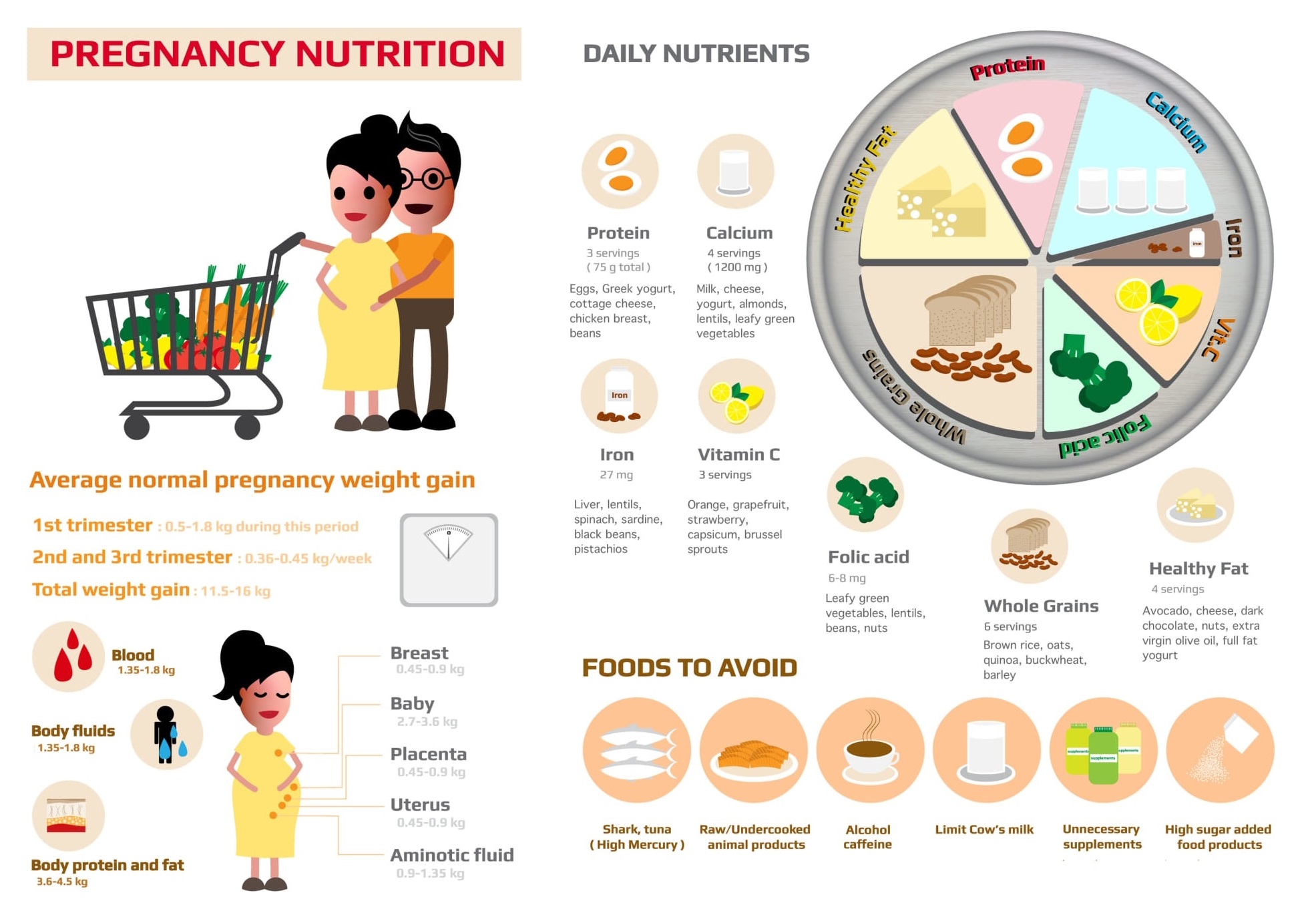
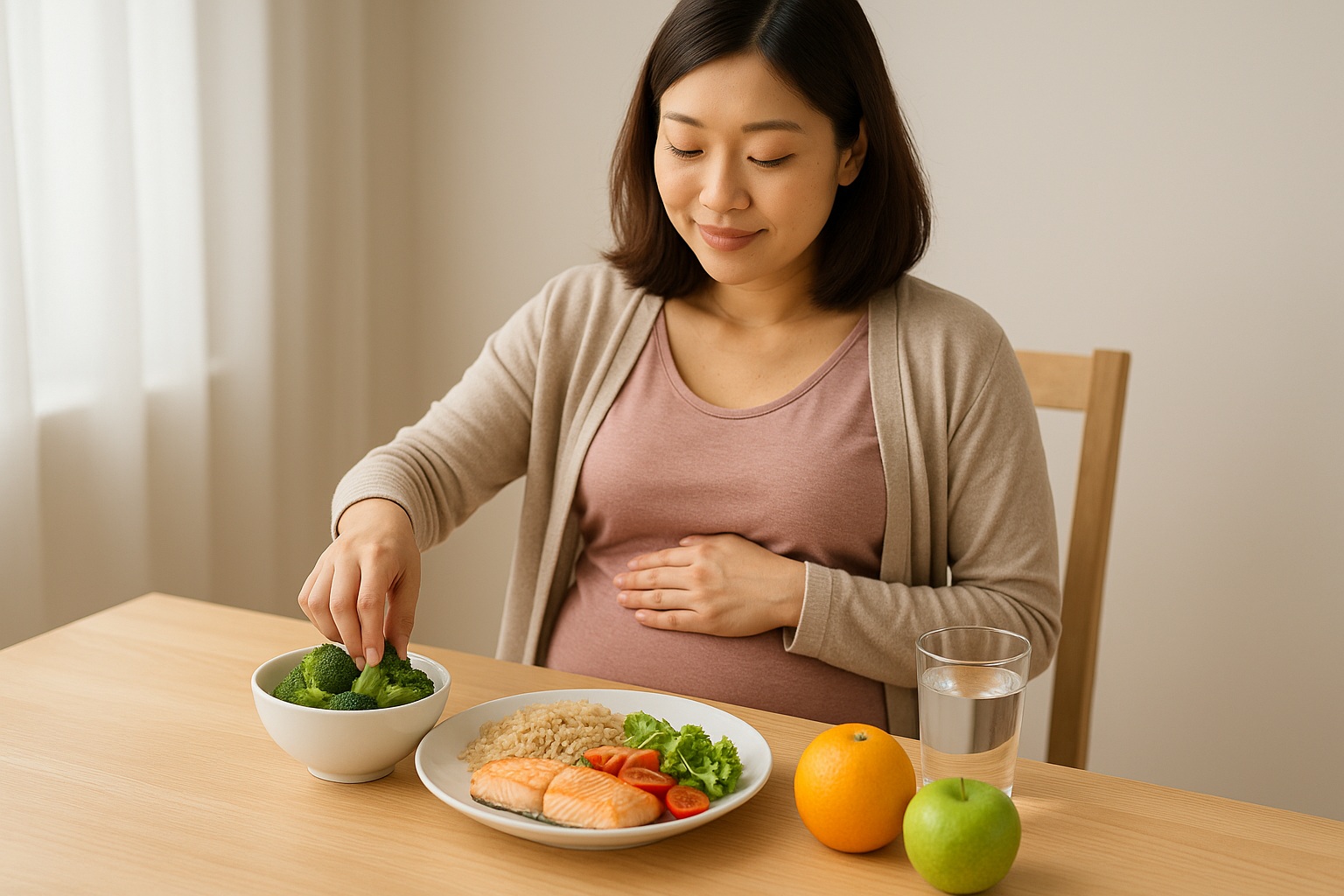
Nutrition is the first line of treatment for GDM. The goal is to maintain stable blood sugar levels while supporting a healthy pregnancy.
- Choose complex carbohydrates – brown rice, wholemeal bread, oats, and quinoa provide steady energy release.
- Eat smaller, frequent meals – helps prevent spikes and dips in blood sugar.
- Pair carbs with protein and fibre – combine rice with fish and vegetables, or bread with eggs and salad.
- Limit high-GI foods – avoid sweetened drinks, white bread, desserts, and deep-fried snacks.
- Include lean protein – chicken, tofu, lentils, eggs, and fish support growth and satiety.
- Opt for healthy fats – nuts, avocado, and olive oil in moderation improve heart health.
- Stay hydrated – water is the best choice; avoid fruit juices and sugary beverages.
Women diagnosed with GDM are usually referred to a dietitian in hospitals like KKH, NUH, or SGH for personalised meal planning.
Exercise and Lifestyle Support
Along with diet, moderate physical activity such as walking, prenatal yoga, or swimming can help regulate blood sugar. Unless advised otherwise by a doctor, most women with uncomplicated pregnancies are encouraged to stay active.
FAQ: Gestational Diabetes
1. Will GDM go away after delivery?
In most cases, yes. However, women who had GDM have a higher lifetime risk of developing type 2 diabetes. A follow-up glucose test is recommended 6–12 weeks postpartum.
2. Can GDM be managed without insulin?
About 70–80% of women manage GDM through diet and exercise alone. If blood sugar remains high, insulin may be prescribed safely during pregnancy.
3. Is GDM harmful to my baby?
When well-controlled, most babies of mothers with GDM are born healthy. The risk arises mainly from uncontrolled high blood sugar.
4. Can I still eat fruits?
Yes, but choose low-GI fruits such as apples, pears, berries, and kiwifruit. Avoid fruit juices and large portions of tropical fruits like mango or watermelon.
5. Should I avoid rice completely?
No. Rice is a staple food in Singapore. The key is portion control and opting for lower-GI options like brown rice or mixed-grain rice, paired with vegetables and protein.
Scientific & Professional Sources
- Ministry of Health Singapore – Gestational Diabetes Screening Guidelines
- KK Women’s and Children’s Hospital (KKH) – Gestational Diabetes Care
- World Health Organization (WHO) – Diagnostic Criteria for GDM
- American Diabetes Association (ADA) – Standards of Care in Diabetes
- HealthyChildren.org – Nutrition During Pregnancy
It takes a village to raise a child !
Join our Facebook group Preschools & Kindergartens in Hong Kong to interact with other parents.