Sleep in Pregnancy: Common Disruptions and Remedies

Sleep in Pregnancy: Common Disruptions and Remedies
Pregnancy brings profound physical and hormonal changes that can disrupt sleep. Good-quality sleep is essential for maternal mental health, immune function, and optimal fetal growth.
Common Sleep Disruptions During Pregnancy
- Frequent urination: Increased kidney filtration and pressure on the bladder, especially in the third trimester, lead to more night wakings.
- Heartburn and indigestion: Progesterone relaxes the esophageal sphincter and a growing uterus pushes the stomach upward.
- Leg cramps and restless legs syndrome (RLS): Affect 15–30% of pregnant women, particularly at night. Linked to iron or magnesium deficiency.
- Back and hip pain: Relaxin hormone loosens ligaments, causing joint discomfort in side-lying positions.
- Insomnia and anxiety: Hormonal changes and anticipation of birth may cause trouble falling or staying asleep.
- Obstructive sleep apnea (OSA): More common with pregnancy weight gain and nasal congestion; increases risks if untreated.
Evidence-Based Sleep Remedies
- Use a left-side sleeping position with pillows supporting belly and knees (improves blood flow to the placenta).
- Establish a relaxing bedtime routine—dim lights, avoid screens 1 hour before bed, try deep breathing or prenatal yoga.
- Limit fluids in the last 2 hours before bed (but stay hydrated earlier in the day).
- Eat smaller, earlier dinners to reduce reflux; elevate the head of the bed slightly if needed.
- Stretch calves before bed to prevent leg cramps; ensure adequate iron and magnesium intake if advised by your doctor.
- Maintain a cool, dark sleep environment and aim for consistent sleep/wake times.
- If symptoms of snoring or sleep apnea appear (loud snoring, pauses in breathing), seek early medical evaluation.
The Importance of Gut Health and Probiotics During Pregnancy
Emerging evidence shows the maternal gut microbiome plays a key role in immune system programming, metabolism, and even the infant’s early gut flora. Pregnancy naturally shifts gut bacteria composition—supporting it through diet can benefit both mother and baby.
Benefits of a Healthy Gut During Pregnancy
- Better digestion & less constipation: Higher progesterone slows gut motility, so fibre and probiotics can help.
- Reduced risk of gestational diabetes & excessive weight gain: Certain probiotic strains (Lactobacillus, Bifidobacterium) may improve glucose metabolism.
- Lower inflammation & stronger immunity: A balanced microbiome can help reduce infection risk.
- Supports baby’s microbiome: Vaginal delivery and breastfeeding seed the infant gut; a healthy maternal microbiome gives a better start.
Gut-Friendly Foods in a Singapore Context
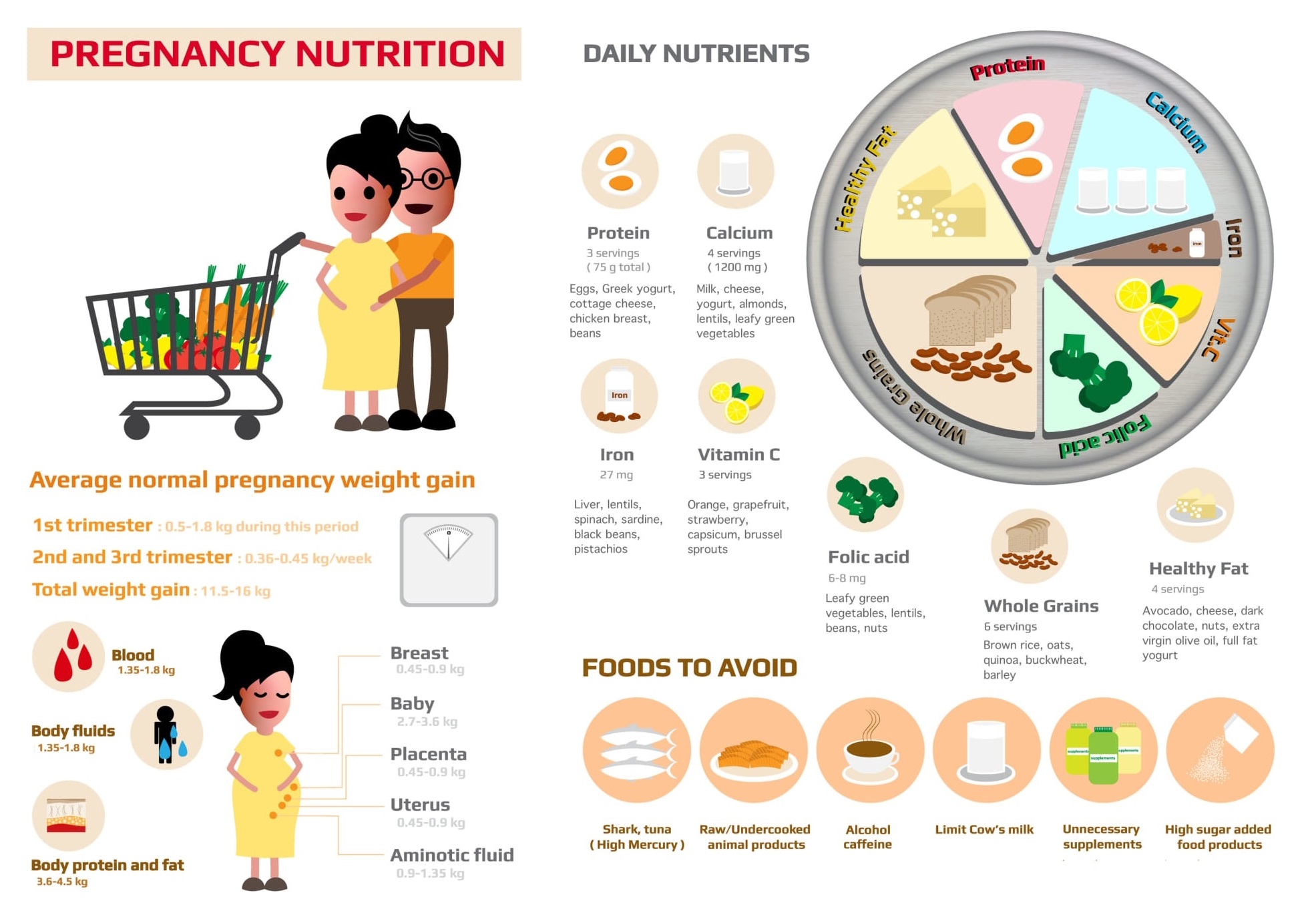
- Probiotic-rich foods: Yogurt with live cultures, kefir, miso soup, tempeh, kimchi (in moderation, rinse to lower sodium), kombucha (pasteurised only).
- Prebiotic fibre foods: Bananas, garlic, onions, oats, barley, wholemeal bread, leafy greens, beans, lentils.
- Hydration: Water, soups, and high-water fruits (watermelon, oranges) to prevent constipation.
Tip: Choose pasteurised dairy products and properly fermented foods from licensed stalls to avoid foodborne infection risks.
FAQ
1) How much sleep do pregnant women need?
Aim for 7–9 hours of night sleep. Short naps (20–30 minutes) can also help if night sleep is disrupted.
2) Is it safe to sleep on my back?
Early in pregnancy, yes. After mid-pregnancy, sleeping on your side—preferably the left—is safest as it avoids compressing major blood vessels.
3) Are probiotics safe during pregnancy?
Yes. Probiotics are generally considered safe and may reduce risks of eczema and allergies in babies. Choose reputable brands or naturally fermented foods and consult your doctor if you have immune conditions.
4) Do I need probiotic supplements?
Most women can get enough from food. Supplements may be advised for persistent constipation, antibiotic use, or gestational diabetes—but only under medical guidance.
5) How can I prevent leg cramps at night?
Stretching calves before bed, staying hydrated, and ensuring enough magnesium and iron in your diet can help. Persistent cramps should be discussed with your doctor.
Scientific & Professional Sources
- American College of Obstetricians and Gynecologists (ACOG): Sleep During Pregnancy
- National University Hospital (Singapore) — Prenatal Nutrition and Gut Health Guidelines
- Health Promotion Board (HPB Singapore) — Pregnancy Nutrition
- World Health Organization — Diet, Nutrition and the Prevention of Chronic Diseases
- Koren O. et al. Cell (2012) — Host Remodeling of the Gut Microbiome During Pregnancy
- Luoto R. et al. Br J Nutr (2010) — Probiotics and gestational diabetes risk
It takes a village to raise a child !
Join our Facebook group Preschools & Kindergartens in Hong Kong to interact with other parents.