Preventing A Miscarriage
How to Prevent a Miscarriage
The first trimester refers to the first three months of pregnancy. It is the period when a woman has the highest risk of having a miscarriage. While the causes for miscarriages are often difficult to pinpoint, it is important for pregnant women and their partners to be extra cautious to protect their baby. If miscarriage occurs more than once, couples should consult a gynaecologist to identify possible fertility problems or medical conditions.
These are some things that you can do to have a healthy pregnancy.
1. Avoid carrying heavy things
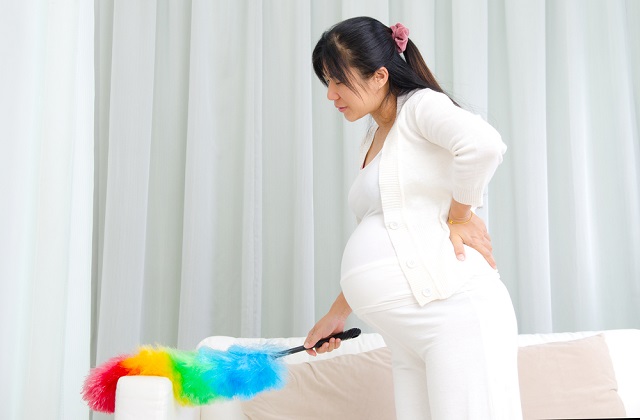
Pregnant women should avoid carrying or moving things that are heavy. Carrying or moving heavy objects will increase the abdominal pressure and uterine contraction which may then lead to placental abruption. Placenta abruption is the separation of the placenta from the uterine lining. When the placenta detaches from the uterine lining, it hinders the transportation of oxygen and nutrients to your baby. When this occurs, you may have a miscarriage.
2. No smoking
Cigarettes contain chemicals such as nicotine, carbon monoxide and tar which are dangerous for the foetus. Smoking increases the risk of early miscarriage, stillbirth and low birth weight. It can also lead to developmental problems in the baby.
Nicotine can cause contractions in the fallopian tubes. These contractions may result in an ectopic pregnancy, which refers to when a fertilised egg implants itself outside the uterus, either in the fallopian tubes or the abdomen. This can be fatal for both the mother and child.
Smoking during pregnancy also increases the risk of defects in the baby. The most common birth defects include congenital heart defects and problems with the structure of the heart.
If you are a smoker and you plan to conceive a child with your partner, you can seek help to quit smoking.
3. Avoid wear high heeled shoes
Wearing high heels during pregnancy is a bad idea. When you are pregnant, your weight increases and your centre of gravity changes as well. This makes it much more difficult to maintain balance when wearing high heels. When you fall, you suffer from a greater risk of having a miscarriage.
4. Exercise in moderation
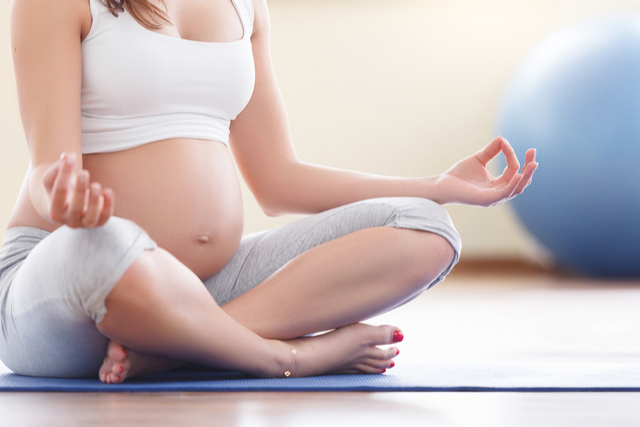
Exercising during pregnancy is extremely beneficial for both you and your baby’s health. Regular exercise helps you to improve cardiovascular health, tone your muscles, increase flexibility and help your body to become stronger.
However, you should exercise caution when exercising. Do not engage in high-intensity sports. Research has shown that high-impact workouts are associated with an increased risk of miscarriage in the early stages of pregnancy. High impact exercises include running, jogging, and jumping. Low impact exercises include walking, climbing, swimming, cycling or pedalling on the elliptical trainer.
You should also avoid contact sports (e.g. rugby, football, boxing etc.) as they can lead to falls and injuries which can cause a miscarriage.
Always always consult your doctor for advice before engaging in any type of sports.
5. Have a balanced diet
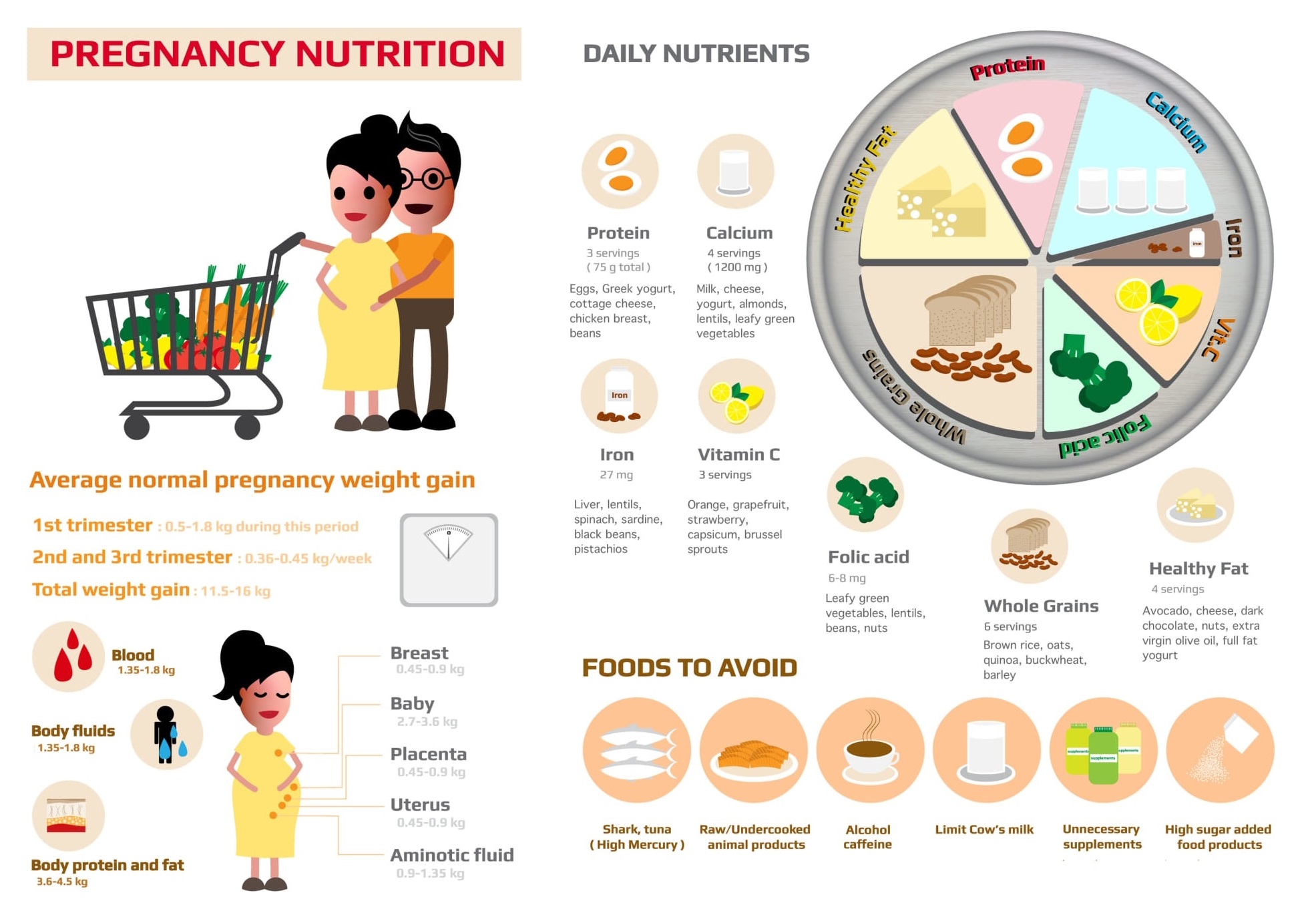
Pregnant women should have a balanced and nutritious diet. Your baby needs nutrients and minerals in order to grow healthily in your womb. Eat nutrient-dense food such as fruits and vegetables, lean meat, fish, nuts and wholegrains. Avoid foods that are processed as they may contain added chemicals that are unhealthy for your baby.
Vitamins that you should include in your diet include folic acid, Vitamin D and Vitamin B3.
Folic acid
- Low levels of folic acid are associated with an increased risk of miscarriage.
- By having enough folic acid in your diet before you even conceive, you can reduce your baby’s chance of getting neural tube defects, cleft lip, cleft palate, and certain heart defects.
- Food sources: Spinach, citrus fruits, lentils, broccoli, asparagus, avocado, eggs, peanuts,
Vitamin D
- Vitamin D plays an important role in the forming of your uterine lining. When you have insufficient Vitamin D in your diet, your uterine lining may not be thick enough to support a pregnancy, which can lead to a miscarriage.
- Food sources: sun exposure, salmon, herring, sardine, cod liver oil, canned tuna, oyster, shrimp, egg yolks, mushrooms.
Vitamin B3
- Scientists have found that a molecule called NAD is important for the normal development of organs. NAD was associated with birth defects and miscarriages.
- Food sources: Turkey, chicken breast, peanuts, mushrooms, tuna, grass-fed beef, avocado, eggs, cheese
Other than a balanced diet, you can also take prenatal supplements to help provide you with the nutrients that you need for a healthy pregnancy. Most prenatal supplements contain folic acid and iron which are essential for pregnancy.
You should consult your doctor to advise you on the prenatal supplements you can take.
Some Common Myths
Pregnancy sex will trigger a miscarriage.
No, that is not true. According to Elizabeth Stewart, a professor of obstetrics and gynaecology at Harvard Medical School, it is safe to have sex during pregnancy. Your child is well-protected by the amniotic sac and your uterine muscles. The baby is also guarded from infections by a thick mucus plug that seals the cervix.
It’s not safe to conceive again right away after a miscarriage.
No; as long as you are physically and emotionally ready, there is nothing stopping you from conceiving again and having a successful pregnancy. In most cases, it takes less than 3 months for a woman to return to her normal menstrual cycle after a miscarriage. Once your menstrual cycle goes back to normal, you can absolutely start trying for a child again.
Learn more about conceiving after a miscarriage.
Sources:
Randerson, J. (2017, September 20). Exercise can increase risk of miscarriage. Retrieved from https://www.theguardian.com/science/2007/sep/27/medicineandhealth
Scott, S. (2017, August 10). Vitamin B3 supplements can prevent miscarriages, birth defects: study. Retrieved from http://www.abc.net.au/news/2017-08-10/vitamin-b3-supplements-can-prevent-miscarriage-and-birth-defects/8785566
It takes a village to raise a child !
Join our Facebook group Preschools & Kindergartens in Hong Kong to interact with other parents.