Pregnancy and Sleep: What Science Says About Insomnia and Restful Strategies

Sleep is essential for physical recovery, mood regulation, and healthy pregnancy outcomes. Yet for many expectant mothers, restful sleep becomes elusive. From hormonal changes to physical discomfort, pregnancy is a perfect storm for insomnia. What does science say about why sleep is disrupted—and what actually helps?
Why Pregnancy Affects Sleep
Insomnia and sleep disturbances are common during pregnancy, especially in the first and third trimesters. Studies estimate that up to 75% of pregnant women experience sleep problems.
Key factors include:
- Hormonal shifts: Rising progesterone levels in the first trimester make you feel more sleepy during the day, but also disrupt nighttime sleep by relaxing muscles (leading to more bathroom trips and heartburn).
- Physical discomfort: As the baby grows, back pain, leg cramps, and frequent urination interrupt deep sleep.
- Restless legs syndrome (RLS): A neurological condition that causes an uncontrollable urge to move the legs, affecting 10–34% of pregnant women, particularly in the third trimester.
- Stress and anxiety: Worry about the baby, birth, or parenting can increase nighttime awakenings.
Common Sleep Challenges by Trimester
First Trimester
- Excessive daytime sleepiness
- Frequent urination at night
- Vivid dreams and disrupted REM sleep
Second Trimester
- Slight improvement in sleep for many women
- Onset of snoring or mild sleep apnea
Third Trimester
- Insomnia due to physical discomfort, baby movement, and anxiety
- Increase in leg cramps and RLS
- More fragmented sleep and less deep sleep
Science-Backed Strategies for Better Sleep
1. Sleep Positioning
Sleep on your left side with a pillow between your knees and under your belly for better circulation and spinal alignment. Avoid lying flat on your back after mid-pregnancy, as it can compress major blood vessels.
2. Cognitive Behavioral Therapy for Insomnia (CBT-I)
CBT-I is considered the gold standard for treating insomnia. It focuses on changing thoughts and behaviors that interfere with sleep, and is safe and effective during pregnancy, according to several clinical trials.
3. Sleep Hygiene Practices
- Keep a regular sleep schedule
- Dim lights 1–2 hours before bedtime
- Avoid caffeine after 2 p.m.
- Limit screen time before bed to reduce blue light exposure
4. Mindfulness and Relaxation
Practices like prenatal yoga, progressive muscle relaxation, deep breathing, or guided meditation help lower cortisol levels and ease sleep-onset anxiety.
5. Nutritional Considerations
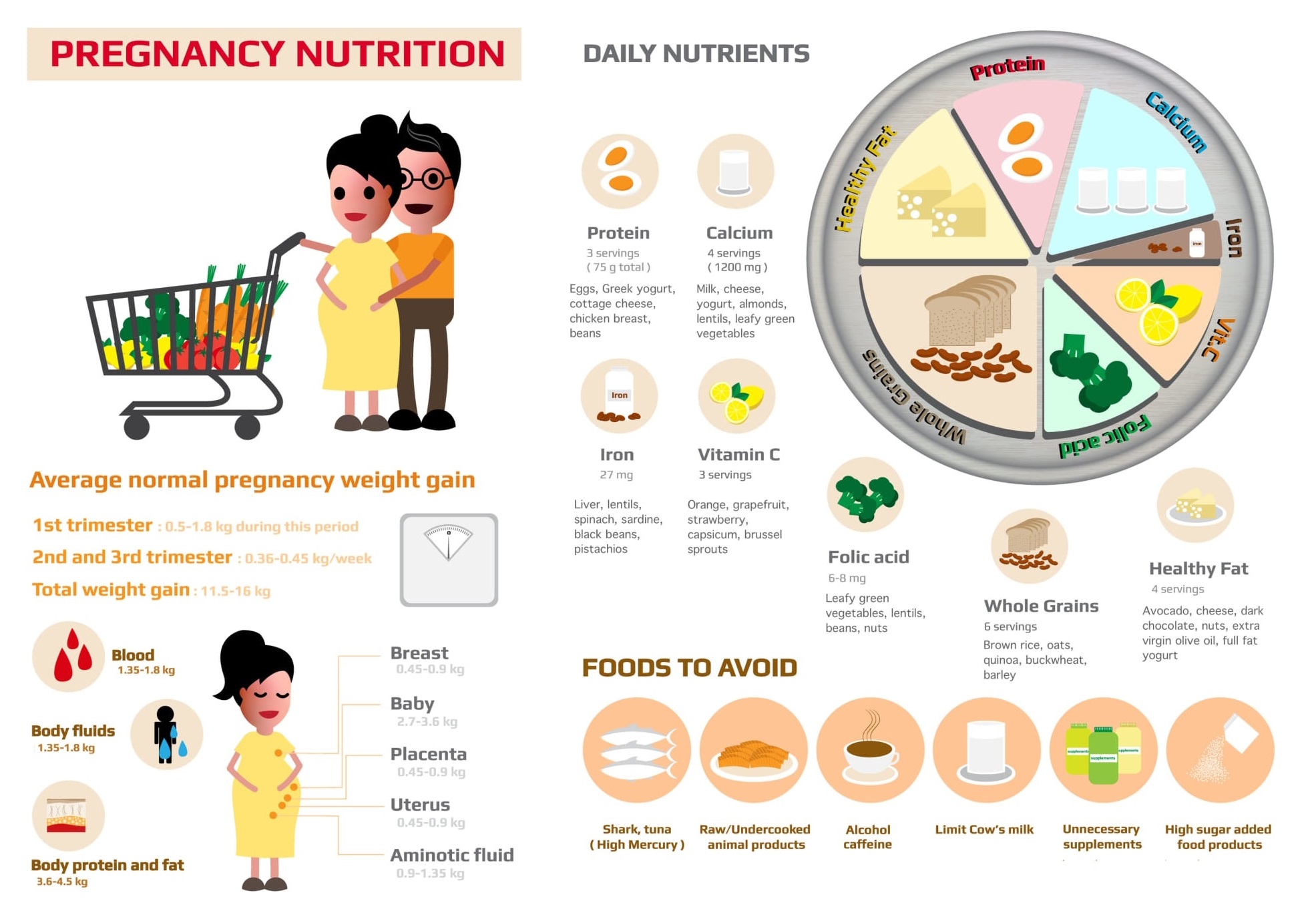
- Ensure adequate iron and magnesium intake to reduce leg cramps and RLS symptoms
- Eat a light snack before bed to avoid hunger-related awakenings
6. Manage Discomfort
Use body pillows for support, wear a maternity belly band during the day, and stay well-hydrated (but reduce fluids 1–2 hours before bed).
When to Seek Help
If sleep problems persist for weeks or significantly affect your mood or daily functioning, consult your OB-GYN or a sleep specialist. Untreated insomnia in pregnancy is linked to increased risk of depression, preterm birth, and postpartum sleep problems.
Conclusion
Poor sleep in pregnancy is common—but not inevitable. Understanding the biological and psychological causes of insomnia helps empower expectant mothers to take meaningful, research-backed steps toward better rest. With small changes and proper support, restful sleep is within reach—even during this transformational phase of life.
It takes a village to raise a child !
Join our Facebook group Preschools & Kindergartens in Hong Kong to interact with other parents.