Pregnancy Travel Planning in Singapore: A Practical, Trimester by Trimester Guide
Pregnancy Travel Planning in Singapore: A Practical, Trimester by Trimester Guide
Planning a trip while pregnant can be totally doable—if you know when to travel, what to prepare, and how to stay comfortable and safe. This guide is written for pregnant women in Singapore (and families travelling from Singapore), with practical checklists and tips for flights, road trips, cruises, and short regional getaways.
Quick Summary: The "Safe Travel" Mindset
- Plan earlier than usual: keep routes simple and choose places with good medical access.
- Time matters: many women feel best in the second trimester.
- Reduce DVT risk: move often, hydrate, and consider compression socks for long journeys.
- Carry key documents: medical letter, prenatal records, and travel insurance details.
- Know red flags: bleeding, severe pain, fever, sudden swelling, or reduced fetal movement—seek urgent care.
When Is the Best Time to Travel During Pregnancy?
Every pregnancy is different, but many women find the second trimester (around weeks 14–28) the most comfortable window—morning sickness often improves, energy returns, and mobility is still manageable.
First Trimester (Weeks 1–13): "Low stamina, high uncertainty"
- Common issues: nausea, fatigue, frequent urination, food aversions.
- Consider travelling only if: it's short, flexible, and easy to rest.
- Extra note: some women prefer to wait until after an early scan for reassurance.
Second Trimester (Weeks 14–28): "Often the sweet spot"
- Best for: flights, multi-day trips, and walking-based holidays—still pace yourself.
- Plan around appointments: avoid travel that clashes with key check-ups.
Third Trimester (Weeks 29+): "More restrictions, more comfort planning"
- Challenges: back pain, swelling, heartburn, sleep issues, reduced mobility.
- Airline rules may apply: some airlines require a doctor's letter after a certain week.
- Best trips: short, close-to-home, with minimal transit and reliable hospitals nearby.
Before You Book: Singapore-Friendly Travel Checklist
1) Confirm your pregnancy is travel-safe
If you have conditions like placenta previa, high blood pressure, previous preterm labour, bleeding, or multiple pregnancy, ask your doctor before booking. If you're unsure, choose a refundable option and keep your itinerary flexible.
2) Choose destinations with strong healthcare access
- Prefer cities/towns with reputable hospitals and easy transport.
- Avoid remote areas where evacuation is difficult.
- If you're travelling regionally from Singapore, research nearest hospital + emergency numbers.
3) Check entry/health requirements (vaccines, outbreaks, advisories)
Some vaccines aren't recommended during pregnancy. Also, travel advisories can change. Check official sources before you go, especially for mosquito-borne illnesses and outbreaks.
4) Buy travel insurance carefully
- Read the maternity coverage: Does it cover pregnancy complications? Up to what week?
- Check if it covers premature birth and newborn care overseas (often limited).
- Confirm exclusions (e.g., "pre-existing conditions" and pregnancy-related clauses).
Flying While Pregnant: Comfort and Safety Tips
DVT prevention (very important on long flights)
- Stand up and walk every 60–90 minutes if possible.
- Do ankle circles, calf raises, and foot pumps while seated.
- Stay hydrated; limit caffeine and very salty snacks.
- Wear graduated compression socks for flights more than 4 hours (ask your doctor if unsure).
Seat strategy
- Aisle seat helps with bathroom trips and walking breaks.
- Bring a small lumbar pillow or rolled scarf for back support.
- Keep essentials in your personal bag: snacks, meds, wipes, and a refillable bottle.
What to eat and drink on flights
- Pack "safe" snacks you know you can tolerate (plain crackers, nuts if allowed, fruit).
- If you get nausea, eat small bites regularly instead of one big meal.
- Choose cooked, familiar foods and avoid anything that looks undercooked.
Road Trips from Singapore (Malaysia Getaways): Special Tips
Many Singapore families do short road trips (e.g., Johor Bahru, Malacca, KL, Genting). Road travel can be comfortable if you plan for breaks and avoid long, continuous sitting.
- Stop every 1–2 hours to stretch and use the toilet.
- Wear a seatbelt correctly: lap belt under the bump, shoulder belt across chest.
- Pack motion-sickness aids if you're sensitive (and doctor-approved).
- Have a "nearest hospital" plan for your destination area.
Cruises and Ferries: What to Think About
- Check cruise line pregnancy policies—many have gestational cut-offs.
- Sea sickness can worsen nausea; bring doctor-approved remedies.
- Confirm medical facilities onboard and emergency evacuation plans.
- Avoid shore excursions that involve extreme heat, strenuous hiking, or remote areas.
What to Pack: The Pregnancy Travel Packing List
Documents and essentials
- Passport + travel insurance policy details
- Doctor's letter (especially if travelling later in pregnancy)
- Prenatal records (digital + paper summary)
- Emergency contacts (partner, clinic, hospital, insurer)
Health and comfort kit
- Prenatal vitamins + any prescribed meds
- Compression socks (for flights/long travel)
- Hand sanitiser, wipes, and a mask for crowded places (optional)
- Snacks you tolerate well (crackers, biscuits, nuts, dried fruit)
- Reusable water bottle
- Heat rash powder/anti-chafing balm (use pregnancy-safe products)
- Small pillow/back support
Footwear and clothing
- Supportive shoes (swelling-friendly)
- Breathable outfits; layers for air-conditioned flights/hot weather
- Light cardigan/shawl for temperature changes
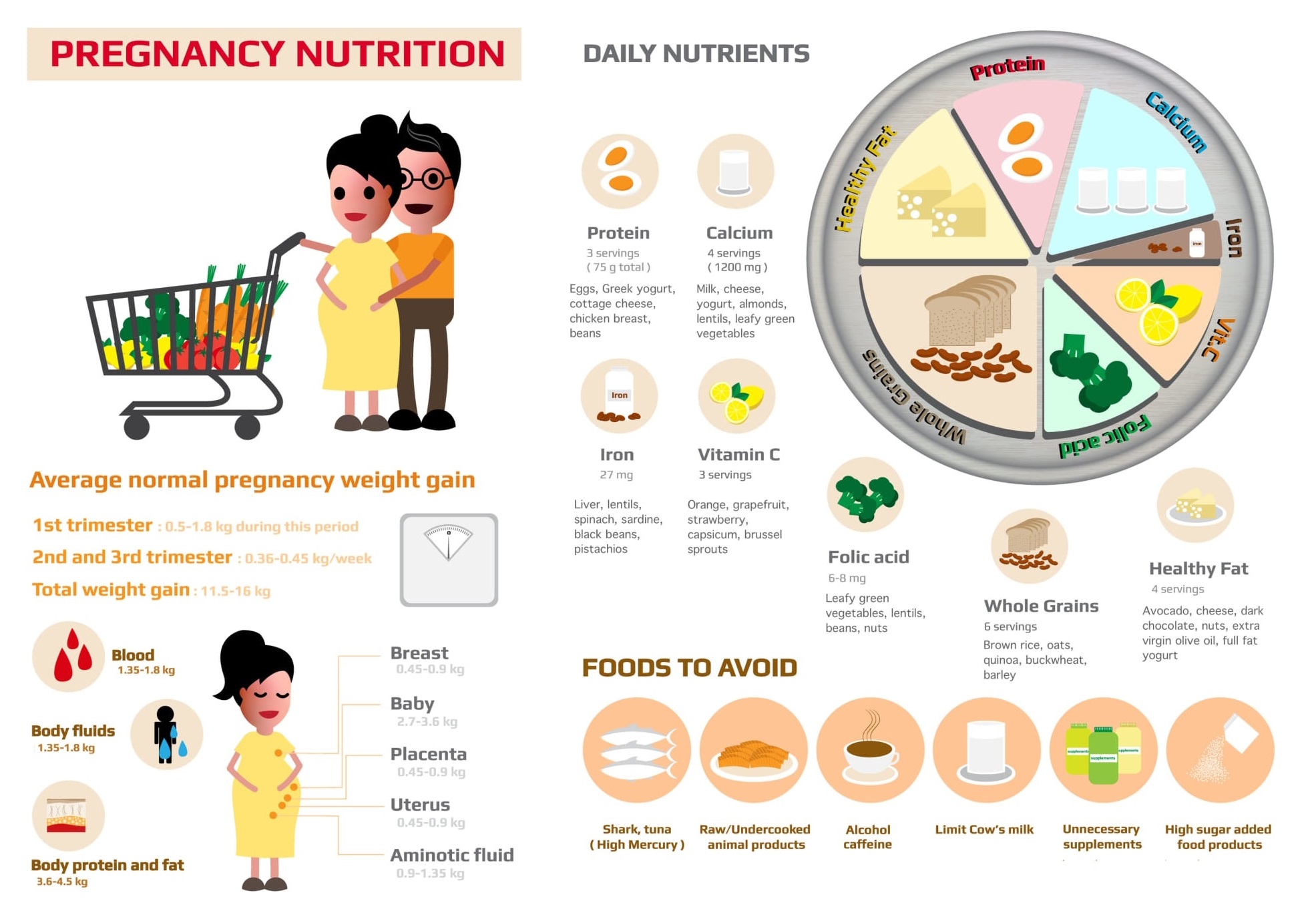
Food Safety for Pregnant Travellers (Practical Version)
- Prefer freshly cooked food served hot.
- Be cautious with raw/undercooked meats and seafood.
- If unsure about hygiene, choose reputable restaurants and avoid street food that sits out long.
- Hydrate well; if water safety is uncertain, stick to bottled water and avoid ice.
Heat, Humidity and Walking: Surviving Regional Travel
Travel from Singapore often means hot and humid climates. Overheating and dehydration can make you dizzy and worsen swelling. The goal is not to "push through"—it's to pace yourself.
- Plan outdoor activities in early morning or late afternoon.
- Take "aircon breaks" every 1–2 hours.
- Use a hat/umbrella and sunscreen.
- Elevate legs when resting to reduce swelling.
When Not to Travel (or When to Stop and Seek Help)
Seek urgent medical help if you experience any of the following while travelling:
- Vaginal bleeding or fluid leakage
- Severe abdominal pain, persistent cramps, or regular contractions
- Severe headache, vision changes, sudden swelling of face/hands
- Fever, shortness of breath, chest pain
- Reduced fetal movement (later pregnancy)
- One-sided leg swelling/pain (possible blood clot)
Sample Singapore-Based Itineraries (Pregnancy-Friendly)
Option A: 2D1N "Rest-First" Getaway (JB / Desaru style)
- Day 1: Check-in -> long rest -> early dinner -> short stroll
- Day 2: Late breakfast -> light activity -> return with breaks
Option B: 3D2N City Break (KL / Penang style)
- Choose a hotel near malls/clinics to reduce walking distance.
- Schedule only 1–2 "must-do" activities per day.
- Keep afternoons for naps and air-conditioned downtime.
FAQ: Pregnancy Travel Questions Singapore Parents Ask
Is it safe to fly during pregnancy?
Many women can fly safely in uncomplicated pregnancies. The main focus is comfort, hydration, and reducing clot risk. Always check with your doctor if you have complications.
Do I need a doctor's letter to fly?
Some airlines may require a letter later in pregnancy. If you're travelling in the third trimester, it's wise to carry one even if you're not asked.
What's the most pregnancy-friendly type of trip?
Short trips with easy transport, reliable hospitals nearby, and lots of rest—think city breaks and resort stays rather than packed, multi-stop itineraries.
It takes a village to raise a child !
Join our Facebook group Preschools & Kindergartens in Hong Kong to interact with other parents.