Pregnancy Anxiety: How to Tell Normal Worry or Red Flags

Pregnancy Anxiety: How to Tell Normal Worry vs. Red Flags
Summary: It’s common to feel anxious during pregnancy. This guide helps you tell the difference between normal worry and anxiety that may need extra support—plus what to do in Singapore.
Is anxiety normal during pregnancy?
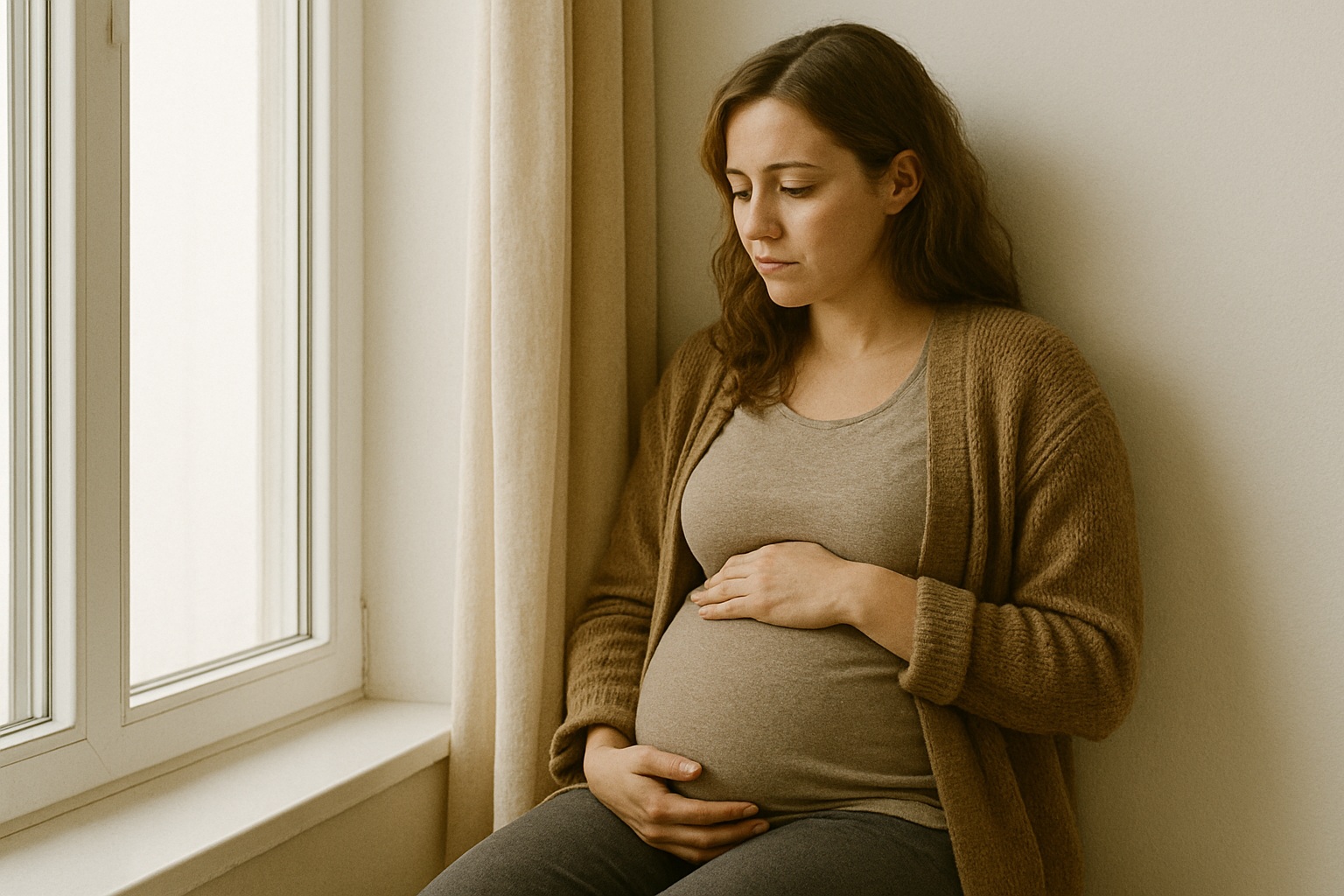
Yes. Many pregnant people feel worried at different stages—especially in the first trimester, before scans, near delivery, or when symptoms change. Hormonal shifts, sleep disruption, physical discomfort, and big life changes can all make anxiety feel stronger than usual.
Key idea: “Normal worry” usually comes and goes and doesn’t stop you from living your day. “Red flag anxiety” is more intense, more persistent, or starts affecting your sleep, appetite, relationships, or ability to function.
Normal pregnancy worry: what it often looks like
- Occasional “what if” thoughts (e.g., baby’s growth, scan results, labour pain)
- Nervousness before appointments that settles after reassurance
- Googling symptoms sometimes but you can stop and move on
- Mood swings that improve with rest, support, or distraction
- Mild sleep disturbance once in a while (especially late pregnancy)
These feelings are common and often improve when you get clear information, reassurance from your care team, and practical coping routines.
Red flags: when anxiety may need professional support
If you notice one or more of the signs below for two weeks or more, or if they feel severe, it’s worth speaking to your doctor, midwife, or a mental health professional.
1) Anxiety that is persistent and hard to control
- Worry is present most days and feels “stuck”
- You can’t switch off even after reassurance
- Your mind keeps looping on worst-case scenarios
2) Panic symptoms
- Sudden episodes of intense fear
- Fast heartbeat, chest tightness, dizziness, trembling, shortness of breath
- Feeling like something terrible will happen
3) Daily functioning is affected
- Difficulty working, caring for family, or completing basic tasks
- Avoiding appointments or scans due to fear
- Constant reassurance-seeking that never feels enough
4) Sleep and appetite are significantly disrupted
- Insomnia most nights due to worry
- Major appetite changes (not just nausea)
- Exhaustion that makes coping harder
5) Intrusive thoughts that feel scary or unwanted
- Upsetting images or thoughts you don’t want
- Fear of “losing control” or “something bad happening”
- Compulsions (checking, repeating actions) to reduce anxiety
Note: Intrusive thoughts can happen in anxiety disorders and do not automatically mean you will act on them. But they are a sign you deserve support.
6) Hopelessness, severe distress, or thoughts of self-harm
Seek urgent help immediately if you have thoughts of self-harm, feel unsafe, or feel you might harm yourself or someone else.
Quick self-check: “Normal worry” vs. “Red flag”
| Normal worry | Red flag anxiety |
|---|---|
| Comes and goes | Most days, feels constant |
| Settles with reassurance | Reassurance doesn’t last |
| You can still function | Work, sleep, appetite, or relationships affected |
| Occasional symptom searches | Compulsive checking/googling, hard to stop |
| Stress is manageable | Panic, avoidance, or intrusive thoughts |
What to do if you notice red flags
- Tell your OB/midwife or GP clearly: “My anxiety is affecting my sleep / daily functioning.”
- Ask about screening: Many clinics use short questionnaires to check prenatal mental health.
- Consider therapy: CBT and other structured therapies are commonly used for anxiety in pregnancy.
- Review your support system: Partner, family, friend, or a pregnancy support group.
- Discuss medication only if needed: For moderate-to-severe anxiety, a doctor can advise options and risks/benefits.
Practical coping tips for everyday pregnancy anxiety
- Set a “Google limit”: choose 1 trusted source and stop after 10 minutes.
- Use a worry window: write worries for 10 minutes, then switch to a grounding activity.
- Body reset: slow breathing (inhale 4, exhale 6) for 2–3 minutes.
- Sleep protection: reduce screens 30–60 minutes before bed; keep the room cool and dark.
- Ask for clarity at appointments: bring a list of 3 questions so you leave feeling informed.
When to seek urgent help (Singapore)
If you feel unsafe, have thoughts of self-harm, or are in immediate danger, seek urgent help right away:
- Emergency: Call 995 (ambulance) or go to the nearest A&E.
- IMH Mental Health Helpline: 6389 2222
- Samaritans of Singapore (SOS): 1767 (24/7)
If it’s not an emergency but you need support soon, speak to your GP/OB clinic and ask for a referral to perinatal mental health services.
FAQ
Is it normal to feel anxious in the first trimester?
Yes. Early pregnancy comes with uncertainty, changing symptoms, and upcoming scans. Many people feel extra anxious during this period, especially if they’ve had a previous loss or fertility challenges.
How long should pregnancy anxiety last before I seek help?
If anxiety is present most days for two weeks or more, or it interferes with sleep, appetite, or daily functioning, it’s a good time to speak to a healthcare professional.
Can pregnancy hormones cause anxiety?
Hormones can affect mood and stress response, and pregnancy can change sleep and energy—both of which can increase anxiety. But severe or persistent symptoms still deserve support.
What are intrusive thoughts in pregnancy?
Intrusive thoughts are unwanted, upsetting thoughts or images that pop into your mind. They can happen in anxiety disorders and don’t automatically mean you will act on them, but they are a sign to reach out for help—especially if they feel frequent or distressing.
Does therapy help pregnancy anxiety?
Many people find therapy helpful, especially structured approaches like CBT. Therapy can teach practical tools to manage worry, panic symptoms, and sleep disruption.
Takeaway
Pregnancy anxiety is common—but you don’t have to “just endure it.” If worry is persistent, intense, or affecting daily life, reaching out early can make pregnancy feel safer and more manageable for you and your baby.
It takes a village to raise a child !
Join our Facebook group Preschools & Kindergartens in Hong Kong to interact with other parents.