Pregnancy After Loss: Finding Hope When Fear Lingers
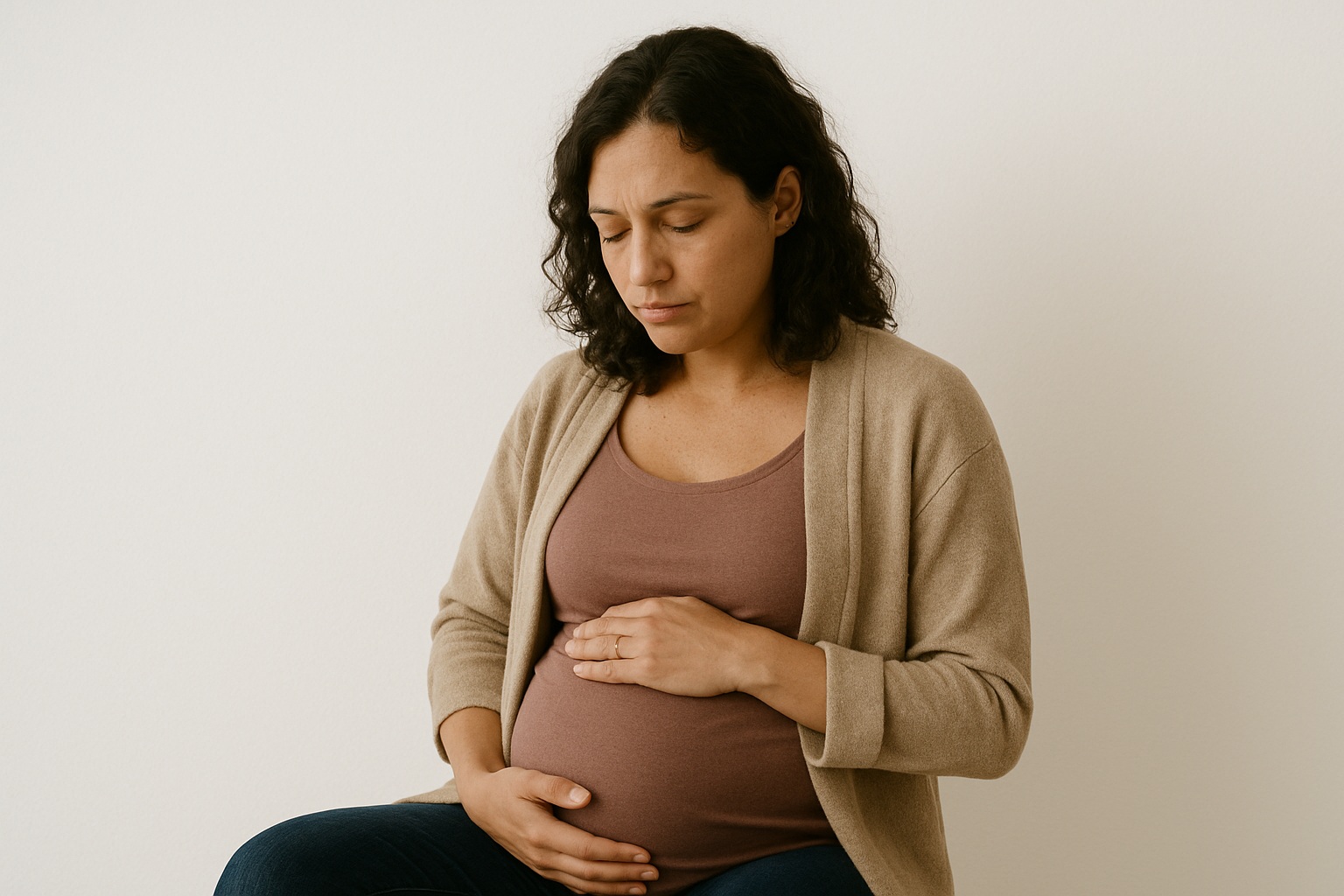
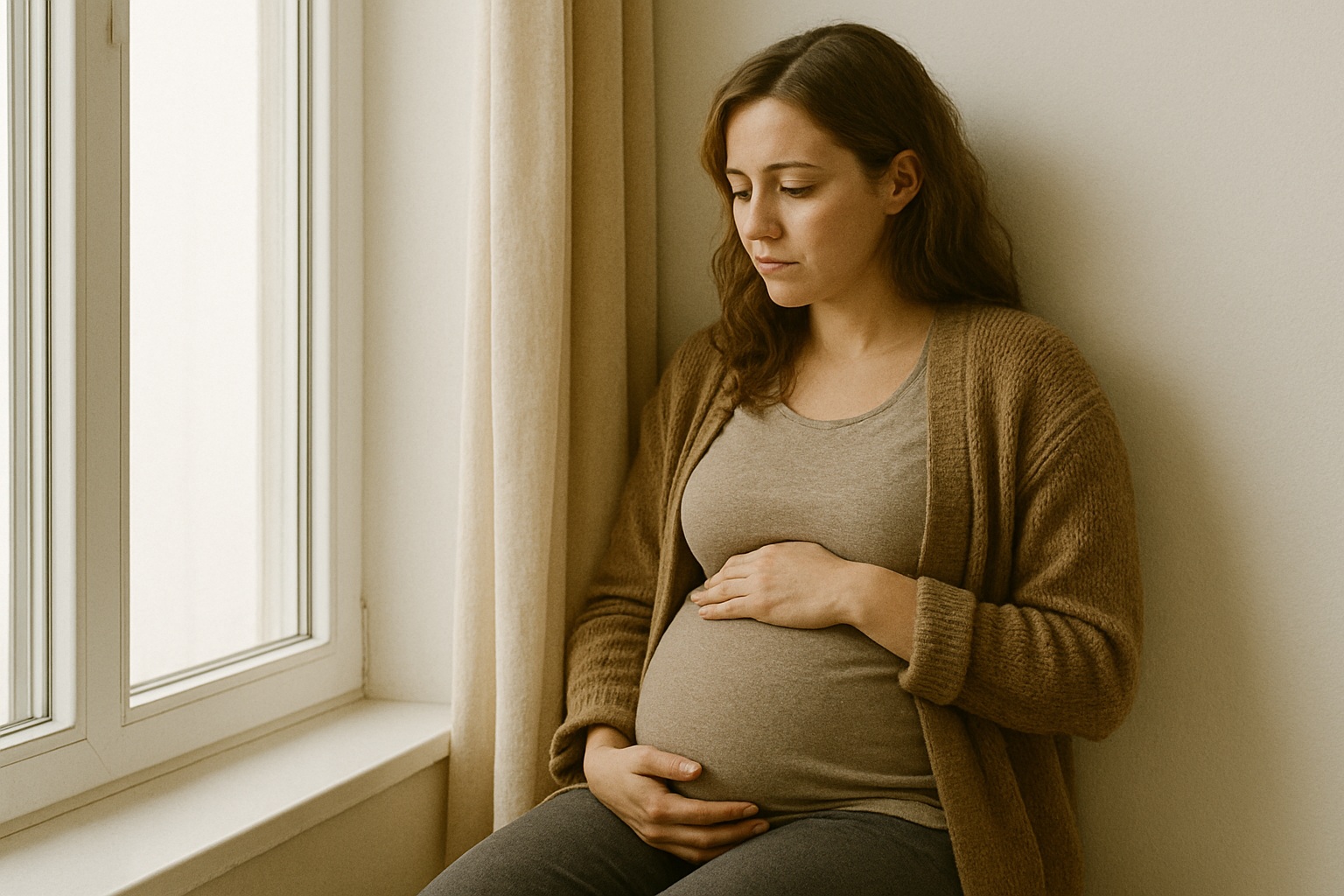
Experiencing a pregnancy after loss—whether due to miscarriage, stillbirth, or infant loss—can be a journey filled with mixed emotions. Joy, hope, fear, grief, and anxiety often coexist, making it different from any other pregnancy experience. If you are navigating this tender road, know that your feelings are valid, and you are not alone.
Understanding the Complex Emotions
After losing a pregnancy or a baby, a new pregnancy often brings a fresh wave of emotions. There may be excitement at the prospect of new life, but that excitement can be quickly overshadowed by intense fear and worry. Many parents describe feeling guarded, unable to fully connect with the pregnancy for fear of facing heartbreak again.
Grief and hope are not mutually exclusive. It’s possible—and normal—to mourn a past loss while also feeling hope for the future. Recognizing and accepting these complex emotions is the first step towards healing and building resilience during this new pregnancy journey.
Common Fears in Pregnancy After Loss
- Fear of Recurrent Loss: It's common to fear that history will repeat itself. Every ultrasound or check-up might feel like a test of endurance against bad news.
- Guilt for Moving Forward: Some parents feel guilt for experiencing joy again or for bonding with the new baby. It’s important to remember that loving this new baby does not diminish the love for the one you lost.
- Hypervigilance: Many parents become extremely cautious, tracking every symptom, every movement, and seeking frequent reassurance.
These feelings are understandable. Being aware of them can help you develop strategies to cope in a healthy and compassionate way.
Strategies for Navigating Pregnancy After Loss
1. Find a Care Team You Trust
Choose a healthcare provider who understands pregnancy after loss and is willing to offer the extra support you may need. Some parents benefit from more frequent prenatal visits or additional ultrasounds for peace of mind. Communicate openly about your concerns—your emotional needs are just as important as your physical health.
2. Allow Yourself to Feel Everything
There’s no “right” way to feel during this pregnancy. Give yourself permission to celebrate the milestones, grieve the memories, and worry about the future without guilt. Journaling, talking with a therapist, or simply acknowledging your emotions out loud can help you process them.
3. Build a Support System
Seek out people who understand, whether that’s a support group for pregnancy after loss, trusted friends and family, or an online community. Sharing your experiences and hearing others' stories can provide validation, comfort, and a sense of hope.
4. Practice Mindfulness and Grounding Techniques
Fear often pulls you into "what if" thinking. Mindfulness can help you stay present. Breathing exercises, meditation apps, gentle yoga, or simply focusing on the current moment can calm anxiety and remind you that today, right now, you are pregnant, and that is a beautiful thing.
5. Celebrate Small Milestones
Instead of waiting for the "big day," find ways to honor each small step forward. Hearing the heartbeat, passing a gestational milestone where loss previously occurred, feeling the first kicks—each is worth celebrating. Some parents create a special journal, plant a tree, or light a candle to mark these meaningful moments.
When to Seek Additional Help
It’s normal to experience anxiety during a pregnancy after loss, but if your fear becomes overwhelming—interfering with daily life, sleep, or relationships—it may help to speak to a mental health professional specializing in perinatal loss. Therapy, counseling, and sometimes medication can offer critical support for your mental and emotional well-being.
Finding Hope Again
Hope doesn’t mean ignoring the pain of the past. It means allowing room for the possibility of joy, even while carrying the memories of your loss. Every day you nurture this new life, you are demonstrating extraordinary courage.
Remember, you are not “moving on” from the baby you lost—you are moving forward with them forever a part of your heart. Love is not a finite resource. There is room for both grief and hope, sorrow and joy.
Pregnancy after loss is not just about welcoming a new baby—it’s about healing, honoring your journey, and rediscovering the strength within yourself. Even when fear lingers, hope can—and does—grow stronger with time.
Frequently Asked Questions (FAQ)
Is it normal to feel more anxious in a pregnancy after loss?
Yes, heightened anxiety is very common. A previous loss can deeply impact how you experience a new pregnancy. Seeking support, staying connected with your care team, and practicing mindfulness can help manage these feelings.
When should I tell people about my pregnancy?
There is no "right" time to announce your pregnancy. Some parents prefer to wait until they feel more secure, while others find comfort in sharing early on to gather support. Do what feels safest and most comforting to you.
How can I honor the baby I lost while embracing this pregnancy?
Many parents find meaningful ways to remember their previous baby, such as creating a memory box, planting a tree, or wearing a piece of jewelry. Honoring your loss while celebrating new life is an act of love for both children.
Should I seek counseling during pregnancy after loss?
If you are struggling with overwhelming fear, grief, or anxiety, counseling can be very beneficial. A therapist with experience in perinatal loss can offer coping strategies and emotional support tailored to your needs.
Helpful Resources
- Pregnancy After Loss Support (PALS) - pregnancyafterlosssupport.org
- Share Pregnancy and Infant Loss Support - nationalshare.org
- Stillbirth and Neonatal Death Society (Sands) - UK - sands.org.uk
Remember, there is no timeline for healing. Be gentle with yourself. With the right support, love, and hope, it’s possible to find peace again, even while carrying the memory of those who will always be in your heart.
It takes a village to raise a child !
Join our Facebook group Preschools & Kindergartens in Hong Kong to interact with other parents.