Preeclampsia: Symptoms, Risks and Prevention
Overview of preeclampsia
Preeclampsia is a pregnancy complication which affects about 3.6% pregnancies in Singapore. This complication is characterized by high blood pressure and protein in the urine. Preeclampsia usually occurs after 20 weeks of pregnancy in women whose blood pressure had been normal.
Left untreated, preeclampsia can lead to serious complications for both pregnant women and the baby.
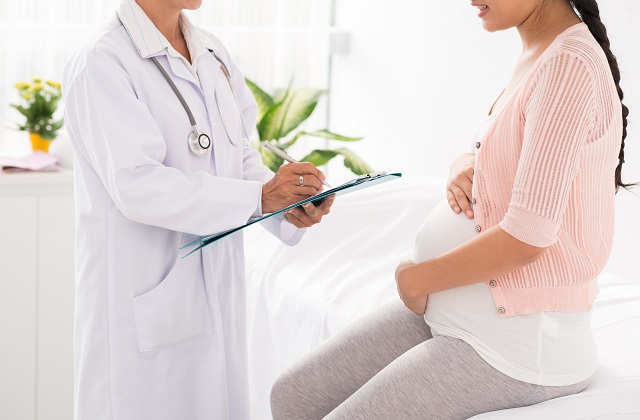
At each prenatal checkup, your gynaecologsit will check your blood pressure, urine levels, and may order blood tests which may show if you have preeclampsia. Other tests such as ultrasound scan, Doppler scan can also assist gynaecologist in determining whether you have preeclampsia.
Symptoms of preeclampsia
Many of the signs of preeclampsia are silent while some symptoms are similar to normal discomforts of pregnancy on your body such as swelling, nausea. For some pregnant women suffering from preeclampsia, they do not feel sick at all.
- Nevertheless, symptoms of preeclampsia include the following:
- High Blood Pressure (Hypertension)
- Proteinuria
- Swelling (Edema)
- Headache
- Nausea or vomiting
- Abdominal or shoulder pain
- Lower back pain
- Sudden weight gain
- Changes in vision
- Inability to tolerate bright light
- Shortness of breath, anxiety
Who is at risk for preeclampsia?
The following groups of pregnant women may be at risk of developing preeclampsia:
- A first-time mom
- Previous experience with gestational hypertension or preeclampsia
- Women whose sisters and mothers had preeclampsia
- Women carrying multiple babies
- Women younger than 20 years and older than age 40
- Women who had high blood pressure or kidney disease prior to pregnancy
- Women who are obese or have a BMI of 30 or greater
Risk of preeclampsia to the mother
If preeclampsia is not treated quickly and properly, it can lead to serious complications to the kidneys, liver, brain and other organ and blood system. In some cases, it can lead to organ failure or stroke.
Studies have shown that having preeclampsia may increase the mother’s risk of future cardiovascular tissue.
In severe cases, preeclampsia can develop into life-threatening form- eclampsia. This is a serious condition in which high blood pressure results in a seizure. Seizures in eclampsia may cause a woman to lose consciousness and twitch uncontrollably. If the fetus is not delivered, these conditions can cause the death of the mother and/or the fetus.
Risk of preeclampsia to the baby
1. low birth weight
Preeclampsia prevents the placenta from getting enough blood. If the placenta doesn’t get enough blood, your baby gets inadequate oxygen and fewer nutrients. This can lead to slow growth known as fetal growth restriction
2. Preterm birth
If you have preeclampsia with severe features, you may need to be delivered early, to save the life of you and your baby. Prematurity can lead to breathing and other problems for your baby.
3. Placental abruption
Preeclampsia increases your risk of placental abruption, a condition in which the placenta separates from the inner wall of your uterus before delivery. Severe abruption can cause heavy bleeding, which can be life-threatening for both you and your baby.
How can I prevent preeclampsia?
Currently, there is no sure way to prevent preeclampsia. Some contributing factors to high blood pressure can be controlled and some can’t. The best preventive measure could be to follow your doctor’s instruction about diet and exercise which may include the followings:
- Use little or no added salt in your meals.
- Drink 6-8 glasses of water a day.
- Don’t eat a lot of fried foods and junk food.
- Get enough rest.
- Exercise regularly.
- Elevate your feet several times during the day.
- Avoid drinking alcohol.
- Avoid beverages containing caffeine.
Your doctor may suggest you take the prescribed medicine and additional supplements.
It takes a village to raise a child !
Join our Facebook group Preschools & Kindergartens in Hong Kong to interact with other parents.