Pelvic Pain and SPD During Pregnancy: How to Cope
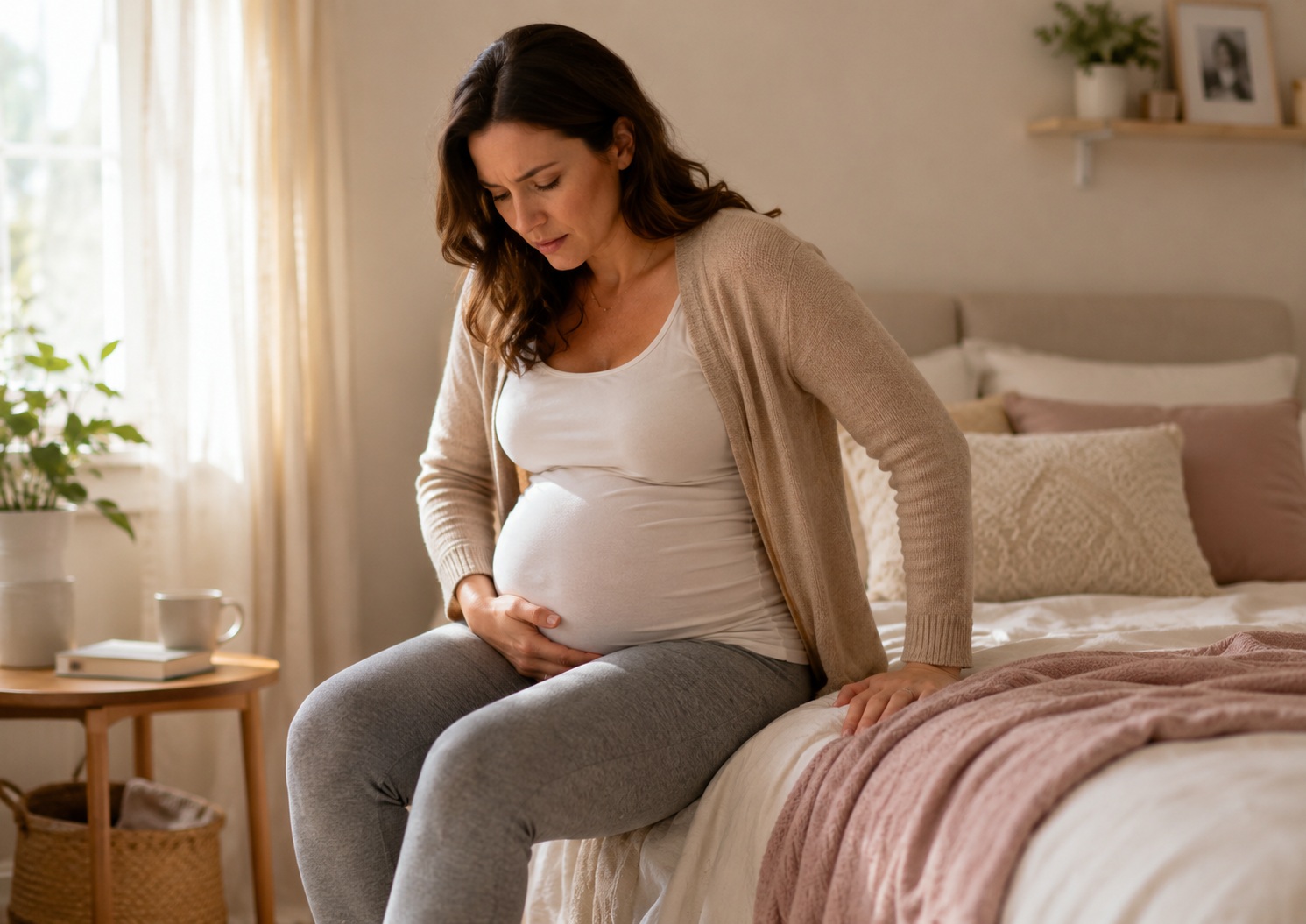
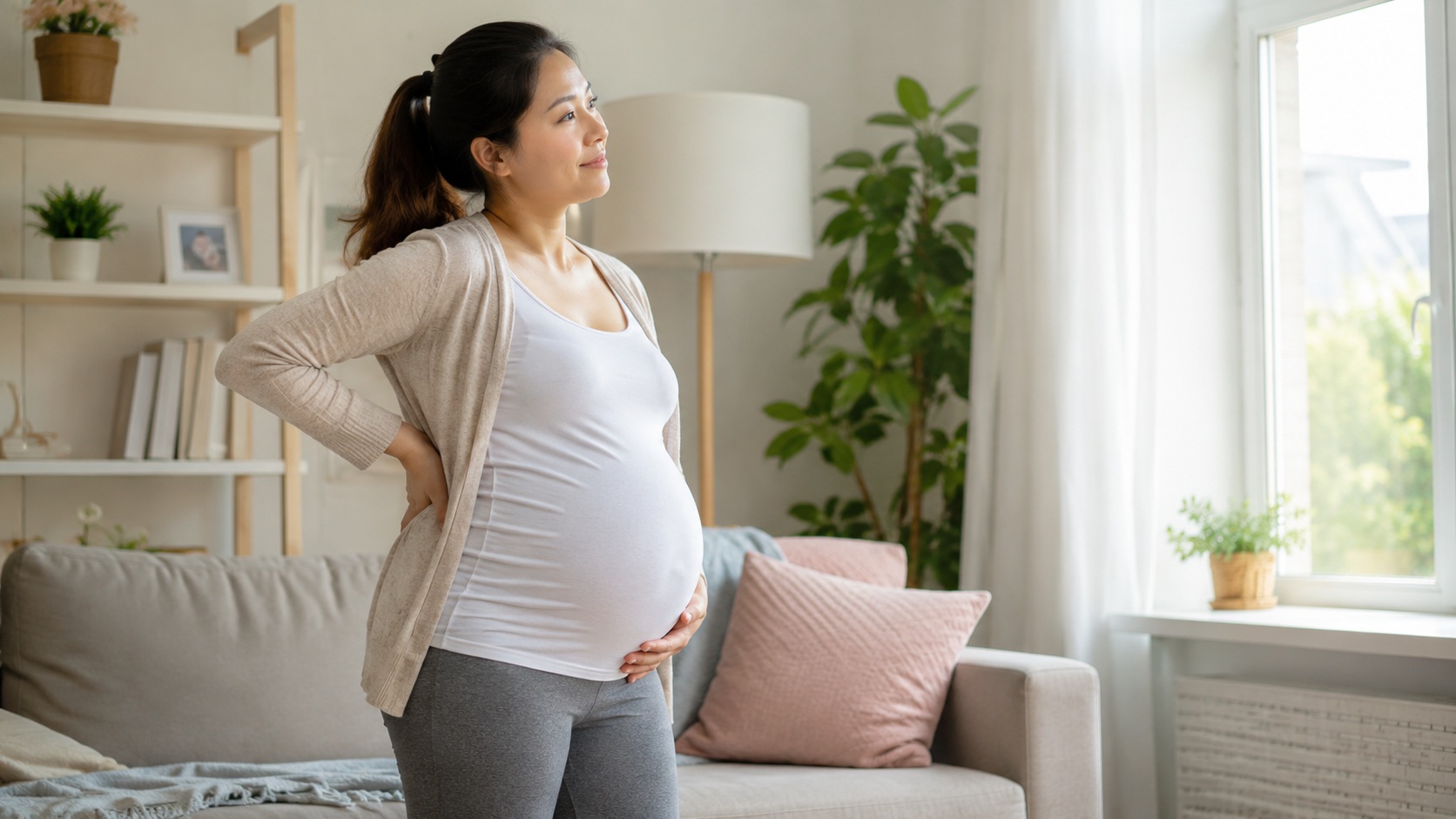
Pelvic pain during pregnancy can make everyday movement difficult. Some pregnant women feel pain at the front of the pelvis near the pubic bone, while others feel pain around the hips, groin, lower back, buttocks or thighs. The pain may worsen when walking, climbing stairs, turning in bed, getting out of a car or standing on one leg.
This type of pain is often called pelvic girdle pain, or PGP. Some people also call it symphysis pubis dysfunction, or SPD, especially when the pain is felt at the front of the pelvis. NHS explains that pregnancy-related pelvic girdle pain is a group of uncomfortable symptoms caused by stiffness of pelvic joints or uneven movement of the joints at the front or back of the pelvis. [1]
Pelvic pain can be frustrating, but it is not something you must simply tolerate. Early advice, activity modification, support belts and physiotherapy may help many women move more comfortably and reduce worsening pain.
What Is Pelvic Girdle Pain or SPD?
The pelvis is a ring-like structure made up of several bones and joints. During pregnancy, these joints and supporting ligaments may become more stressed because of hormonal changes, weight gain, posture changes and the growing baby.
Pelvic girdle pain usually refers to pain in the joints and muscles around the pelvis. It may affect the front joint of the pelvis, called the symphysis pubis, or the back joints near the sacroiliac joints. SPD is commonly used to describe pain around the pubic symphysis at the front of the pelvis.
RCOG describes pelvic girdle pain as pain in the front and/or back of the pelvis, which may also affect the hips or thighs. [2]
What Does Pelvic Pain During Pregnancy Feel Like?
Symptoms vary from woman to woman. You may feel:
- Pain at the front of the pelvis near the pubic bone
- Pain in the groin area
- Pain across one or both hips
- Lower back or buttock pain
- Pain spreading into the thighs
- Clicking, grinding or feeling of instability in the pelvis
- Pain when walking, climbing stairs or standing on one leg
- Pain when turning in bed
- Pain when getting in and out of a car
- Pain when putting on pants, underwear or shoes while standing
NHS notes that PGP is not harmful to the baby, but it can be painful and make it hard to get around. [1]
Why Does Pelvic Pain Happen During Pregnancy?
1. Pregnancy hormones loosen ligaments
Pregnancy hormones help prepare the body for birth by making ligaments more relaxed. This is normal, but it can also make the pelvic joints feel less stable for some women.
2. The growing uterus adds pressure
As the baby grows, more weight and pressure are placed on the pelvis, hips and lower back. This can worsen pain, especially in later pregnancy.
3. Posture and walking pattern change
As the belly grows, the centre of gravity shifts. Pregnant women may naturally change the way they stand, sit or walk, which can place extra strain on the pelvis.
4. Uneven movement of pelvic joints
If pelvic joints move unevenly or become stiff, pain may occur when walking, climbing stairs, turning or standing on one leg.
5. Previous pain or injury
Women with previous lower back pain, pelvic injury, pelvic girdle pain in a previous pregnancy or physically demanding work may be more likely to experience symptoms.
When Does Pelvic Girdle Pain Usually Start?
Pelvic pain can start at any time during pregnancy. Some women notice it in the first or second trimester, while others develop symptoms later as the baby grows.
Symptoms may worsen with certain movements or after a long day. They may also improve after rest, better movement habits or physiotherapy support.
What Movements Commonly Make Pelvic Pain Worse?
Pelvic pain often worsens with movements that separate the legs or place weight on one leg. Common triggers include:
- Climbing stairs
- Walking long distances
- Standing on one leg
- Putting on pants while standing
- Getting in and out of a car
- Turning over in bed
- Carrying heavy items
- Pushing a heavy trolley
- Sitting on the floor and getting up
- Standing or sitting for too long
How to Cope With Pelvic Pain During Pregnancy
1. Seek help early
Do not wait until the pain becomes severe. NHS advises that getting diagnosed as early as possible can help keep pain to a minimum and avoid long-term discomfort. [1]
If pelvic pain affects your walking, sleep, work or daily tasks, ask your gynae or doctor whether you should see a physiotherapist experienced in pregnancy-related pelvic pain.
2. Keep your knees together when moving
Many women feel less pain when they avoid separating the legs widely. Try keeping your knees together when:
- Turning in bed
- Getting in and out of bed
- Getting in and out of a car
- Standing up from a chair
For example, when getting out of a car, turn your whole body first, keep your knees together, then place both feet on the ground before standing.
3. Take smaller steps
Large steps may strain the pelvis. Walk with shorter, slower steps. Avoid rushing, especially on stairs or uneven ground.
4. Avoid standing on one leg
Standing on one leg can worsen pelvic pain. Sit down to put on pants, underwear, socks and shoes. When using stairs, go slowly and hold the railing.
5. Use pillows for sleep support
Sleep on your side with a pillow between your knees and ankles. This helps keep the pelvis more aligned. You may also place a pillow under your belly for support.
6. Change position often
Avoid staying in one position for too long. If you sit for long periods, stand and move gently. If you stand for long periods, sit and rest when possible.
7. Avoid heavy lifting and pushing
Heavy lifting, carrying older children on one hip, pushing heavy supermarket trolleys or carrying many bags can worsen pain. Ask for help where possible.
8. Use a support belt if advised
A pelvic support belt may help some women feel more stable. NHS Inform lists a pelvic support belt as one possible treatment option that a physiotherapist may discuss. [3]
Choose one designed for pregnancy and ask a physiotherapist or doctor how to position it correctly. It should feel supportive, not painful or too tight.
9. Try warm baths or warm compresses
Warmth may help relax muscles and reduce discomfort. NHS Inform notes that advice on comfort measures such as warm baths may be part of physiotherapy management. [3]
Use warm, not very hot, water. Avoid overheating during pregnancy.
10. Consider physiotherapy
Physiotherapy can be very helpful for pregnancy-related pelvic pain. A physiotherapist may assess how you move, teach safer ways to sit, stand and walk, recommend exercises, provide manual therapy where appropriate, and advise on support belts.
RCOG states that treatment may include advice on avoiding movements that worsen pain, exercises that strengthen abdominal and pelvic floor muscles, manual therapy and, if needed, equipment such as support belts or crutches. [2]
Exercises: What Is Safe?
Do not force painful exercises. The best exercises depend on your symptoms, pregnancy stage and medical condition. A physiotherapist can recommend a personalised plan.
In general, your healthcare provider may suggest gentle exercises to support:
- Pelvic floor muscles
- Deep abdominal muscles
- Hip and glute muscles
- Back strength
- Posture and movement control
HealthHub Singapore notes that appropriate resistance training during pregnancy can help keep muscles and joints strong and reduce body aches and pain. [4]
Stop exercising and seek advice if you experience bleeding, contractions, dizziness, chest pain, severe shortness of breath, fluid leakage, severe pain or reduced baby movements.
Daily Activity Tips for Pelvic Pain
Getting out of bed
- Keep your knees together.
- Roll onto your side first.
- Use your arms to push yourself up.
- Move slowly and avoid twisting.
Turning in bed
- Keep your knees together.
- Squeeze a pillow between your knees.
- Turn your whole body as one unit.
Climbing stairs
- Use the handrail.
- Go slowly.
- Take one step at a time if needed.
- Reduce unnecessary stair climbing.
At work
- Avoid sitting or standing for too long.
- Use a supportive chair.
- Take short breaks to move gently.
- Ask about temporary adjustments if walking, standing or commuting worsens pain.
During household chores
- Avoid mopping or vacuuming with wide twisting movements.
- Break chores into shorter sessions.
- Sit down for tasks such as folding laundry.
- Ask for help with heavy lifting.
What Should You Avoid?
- Avoid standing on one leg.
- Avoid wide squats or wide-leg movements if painful.
- Avoid heavy lifting.
- Avoid pushing heavy trolleys or prams uphill if painful.
- Avoid twisting while carrying items.
- Avoid sitting cross-legged if it worsens pain.
- Avoid exercises that increase pain.
- Avoid assuming pelvic pain is “just normal pregnancy” if it affects daily life.
Can Pelvic Pain Affect Labour and Birth?
Many women with pelvic girdle pain can still have a vaginal birth. However, it is important to tell your gynae, midwife or birth team about your pelvic pain.
You may need to discuss:
- Comfortable labour positions
- How wide your legs can open without pain
- Positions to avoid
- Whether physiotherapy advice is needed before birth
- How to move safely after delivery
RCOG notes that most women with PGP can have a normal vaginal birth, but the birth team should be aware of the condition so they can support comfortable positions. [2]
Will Pelvic Pain Go Away After Birth?
Many women improve after delivery, but recovery can take time. Some women may still have symptoms for weeks or months, especially if pain was severe during pregnancy or if daily movements after birth continue to strain the pelvis.
If pain continues after birth, ask for physiotherapy support. This is especially important if pain affects walking, caring for your baby, breastfeeding positions, lifting, stairs or returning to work.
When Should You See a Doctor?
Speak to your gynae, doctor or physiotherapist if:
- Pelvic pain affects walking or daily activities
- You struggle with stairs, turning in bed or getting dressed
- Pain is worsening
- You feel clicking, grinding or instability
- Pain spreads down the leg with numbness or weakness
- You need advice on support belts, exercises or work adjustments
- You feel anxious or low because of ongoing pain
Seek Urgent Medical Help If You Have These Symptoms
Pelvic pain is not always PGP or SPD. Seek urgent medical care if pelvic pain comes with:
- Vaginal bleeding
- Regular contractions or tightening before 37 weeks
- Severe abdominal pain
- Fever or chills
- Pain or burning when passing urine
- Blood in urine
- Severe dizziness or fainting
- Fluid leaking from the vagina
- Reduced baby movements in later pregnancy
- One leg that is swollen, red, warm or painful
If you are unsure whether the pain is pelvic girdle pain, labour, urinary infection or another condition, seek medical advice promptly.
How Partners Can Help
Pelvic pain can be emotionally and physically draining. Partners can help by:
- Taking over heavy housework and grocery carrying
- Helping with older children
- Allowing more time for walking and commuting
- Preparing pillows for sleep support
- Helping the mother get in and out of the car slowly
- Encouraging early physiotherapy instead of telling her to endure it
FAQ: Pelvic Pain and SPD During Pregnancy
What is SPD during pregnancy?
SPD, or symphysis pubis dysfunction, is commonly used to describe pain around the pubic joint at the front of the pelvis. It is often included under the broader term pelvic girdle pain, or PGP.
Is pelvic girdle pain harmful to the baby?
Pelvic girdle pain is usually not harmful to the baby, but it can be painful for the mother and may affect walking, sleep, work and daily activities.
What movements make SPD or pelvic pain worse?
Pain often worsens with walking long distances, climbing stairs, standing on one leg, turning in bed, getting in and out of a car, heavy lifting or movements that separate the legs widely.
What helps pelvic pain during pregnancy?
Keeping the knees together during movement, taking smaller steps, avoiding one-leg standing, using pillows for sleep, changing position often, avoiding heavy lifting, using a support belt if advised and seeing a physiotherapist may help.
Should I see a physiotherapist for SPD?
Yes, especially if pain affects daily life. Physiotherapy may include movement advice, exercises for abdominal, pelvic floor, back and hip muscles, manual therapy and support belt guidance.
Can I still give birth naturally with pelvic girdle pain?
Many women with pelvic girdle pain can still have a vaginal birth. Tell your birth team so they can help you find comfortable positions and avoid painful leg positions.
When should I worry about pelvic pain during pregnancy?
Seek urgent care if pelvic pain comes with bleeding, regular contractions, severe abdominal pain, fever, urinary symptoms, fluid leakage, fainting, reduced baby movements or one swollen, red, warm or painful leg.
Key Takeaway
Pelvic pain and SPD during pregnancy can make movement, sleep and daily activities difficult, but help is available. Simple coping strategies include keeping your knees together when moving, taking smaller steps, avoiding standing on one leg, using pillows for support, reducing heavy lifting and seeking physiotherapy early.
Pelvic girdle pain is usually not harmful to the baby, but it should not be ignored if it affects your quality of life. Seek urgent medical care if pelvic pain comes with bleeding, contractions, fever, urinary symptoms, fluid leakage, reduced baby movements or one-sided leg swelling.
References
- [1] NHS, Pelvic Pain in Pregnancy.
- [2] Royal College of Obstetricians and Gynaecologists, Pelvic Girdle Pain and Pregnancy.
- [3] NHS Inform, Pelvic Girdle Pain.
- [4] HealthHub Singapore, Being Fit When Pregnant.
- [5] HealthHub Singapore, Low Back Pain.
It takes a village to raise a child !
Join our Facebook group Preschools & Kindergartens in Hong Kong to interact with other parents.