Omega 3 Fatty Acids and Brain Development of Baby
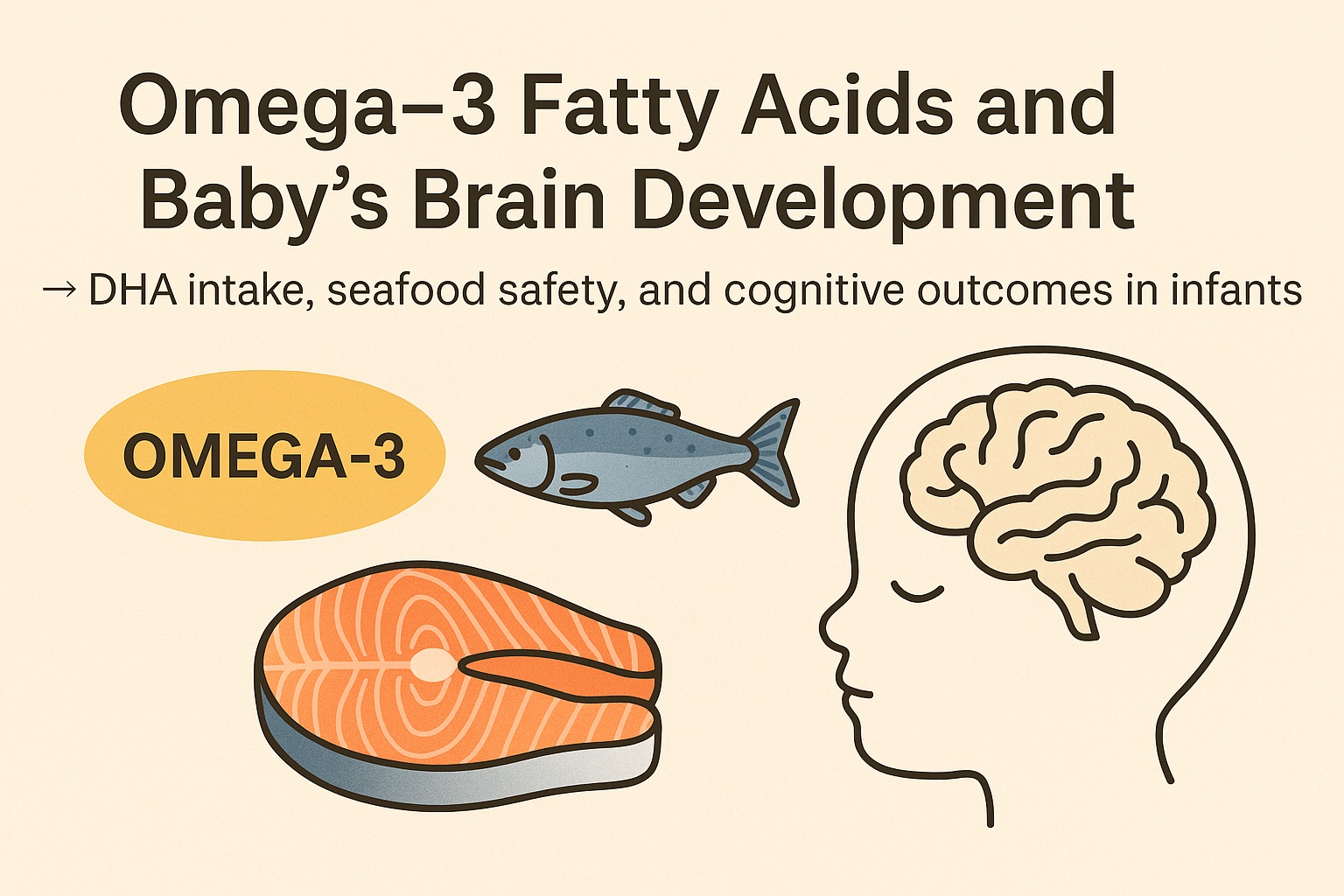
During pregnancy and breastfeeding, nutrition plays a vital role in the development of a baby’s brain. One key nutrient that stands out is docosahexaenoic acid (DHA), a long-chain omega-3 fatty acid. DHA is essential for the structural development of the infant brain, particularly during the third trimester and early infancy.
Why DHA Matters for Infant Brain Development
DHA is a major component of the cerebral cortex, the part of the brain responsible for memory, language, creativity, and emotion. Rapid accumulation of DHA occurs during the last trimester of pregnancy and continues into early childhood. Studies have shown that adequate maternal DHA intake is associated with:
- Improved cognitive function in children
- Better problem-solving skills in infants
- Enhanced visual acuity and attention span
Recommended DHA Intake During Pregnancy and Lactation
The International Society for the Study of Fatty Acids and Lipids (ISSFAL) and many health authorities recommend that pregnant and breastfeeding women consume at least 200–300 mg of DHA per day.
Sources of DHA include:
- Fatty fish such as salmon, sardines, anchovies, and mackerel
- DHA-fortified eggs and dairy products
- DHA supplements derived from fish oil or algae (vegan option)
Seafood Safety During Pregnancy
Seafood is an excellent source of DHA, but safety concerns about mercury contamination must be addressed. High levels of mercury can harm a developing baby’s nervous system. Pregnant women should choose fish that are low in mercury and avoid high-risk species.
Low-Mercury, DHA-Rich Fish (Safe Options)
- Salmon
- Sardines
- Anchovies
- Atlantic mackerel (not king mackerel)
- Trout
Fish to Avoid During Pregnancy
- Shark
- King mackerel
- Tilefish (from the Gulf of Mexico)
- Swordfish
Scientific Evidence Supporting DHA’s Role
Several studies have explored the link between maternal DHA intake and child cognitive outcomes. Key findings include:
- A randomized trial published in Pediatrics (2003) found that infants whose mothers took DHA supplements during pregnancy had better psychomotor development at 30 months.
- A review in The American Journal of Clinical Nutrition (2007) showed consistent associations between prenatal DHA and improved attention and processing speed in infants.
- A 2018 meta-analysis in Prostaglandins, Leukotrienes and Essential Fatty Acids supported DHA’s benefits on visual and cognitive development in early childhood.
Can You Get Enough DHA from Diet Alone?
While eating two servings of low-mercury fish per week can provide sufficient DHA, many pregnant women fall short. In such cases, a prenatal DHA supplement is a safe and effective way to meet daily needs—especially for those following vegetarian or vegan diets.
Conclusion
Omega-3 fatty acids, particularly DHA, play a vital role in supporting your baby's brain development. A balanced intake through diet and/or supplementation, combined with mindful seafood choices, offers long-term benefits for your child’s cognitive and visual development. Consult your healthcare provider to determine the best DHA strategy during your pregnancy and breastfeeding journey.
FAQ
- Is DHA safe during pregnancy?
- Yes, DHA is safe and recommended. However, pregnant women should avoid fish high in mercury and consult their doctor before starting any supplements.
- Can vegetarians get enough DHA?
- Yes, DHA supplements derived from algae are suitable for vegetarians and vegans.
- Does taking DHA guarantee smarter babies?
- While DHA supports brain development, many factors affect cognitive outcomes. DHA is one important piece of the puzzle.
Scientific and Professional Sources
- Crawford, M. A. et al. (2003). Docosahexaenoic acid and the development of brain and retina. Pediatrics, 111(1), e39–e44.
- Greenberg, J. A., Bell, S. J., & Ausdal, W. V. (2008). Omega-3 Fatty Acid supplementation during pregnancy. Reviews in Obstetrics and Gynecology, 1(4), 162–169.
- Campoy, C. et al. (2012). Effects of prenatal fish-oil and 5-MTHF supplementation on cognitive development of children at 6.5 y. American Journal of Clinical Nutrition, 96(6), 1293–1300.
- Guesnet, P. & Alessandri, J. M. (2011). Docosahexaenoic acid (DHA) and the developing central nervous system (CNS)—Implications for dietary recommendations. Biochimie, 93(1), 7–12.
It takes a village to raise a child !
Join our Facebook group Preschools & Kindergartens in Hong Kong to interact with other parents.