Navigating the First Trimester: What to Expect and How to Cope

The first trimester of pregnancy is a time of great change — both physically and emotionally. For many women, it's a mix of joy, uncertainty, and new challenges. Whether you’re a first-time mum or expanding your family, understanding what to expect can help you feel more in control and better prepared for the journey ahead.
Physical Changes and Symptoms
During the first 12 weeks of pregnancy, your body undergoes rapid hormonal changes to support the growing embryo. Common symptoms include:
- Morning Sickness: Nausea, often accompanied by vomiting, can occur any time of day.
- Fatigue: Feeling unusually tired is normal due to rising progesterone levels.
- Breast Tenderness: Breasts may feel fuller, swollen, or sensitive.
- Frequent Urination: Increased blood flow to the pelvic area can cause this early on.
- Mood Swings: Emotional ups and downs are common due to hormonal fluctuations.
First Prenatal Appointment
Your first prenatal visit usually occurs between weeks 6 and 10. Your doctor will:
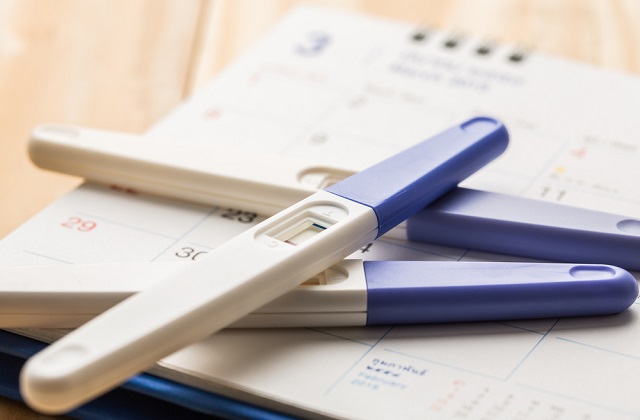
- Confirm your pregnancy with a scan
- Estimate your due date
- Check vital signs and take blood and urine samples
- Review your medical history
- Discuss supplements like folic acid and prenatal vitamins
This appointment sets the tone for your pregnancy care. It's also a great time to ask questions about diet, exercise, and what to avoid.
Nutrition and Lifestyle Tips
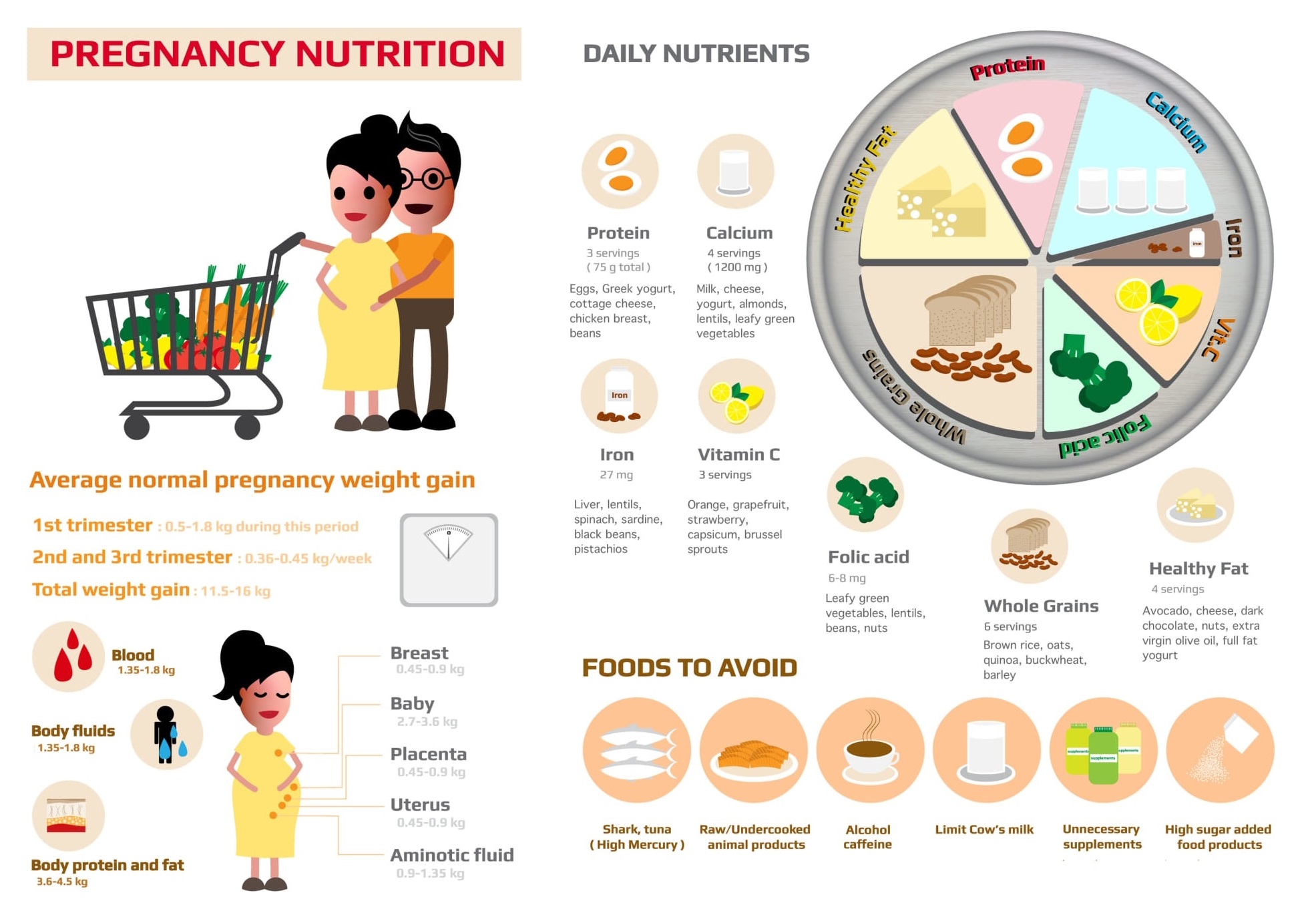
Eating well is crucial in the first trimester. Focus on a balanced diet rich in:
- Leafy greens and legumes (for folate)
- Lean proteins like chicken, fish, and tofu
- Whole grains and fiber-rich foods
- Plenty of fluids — stay hydrated!
Avoid alcohol, smoking, and high-mercury fish like swordfish and king mackerel. Cut down on caffeine to no more than 200 mg per day (about one cup of coffee).
Managing Common Discomforts
Here are a few remedies to make this phase more manageable:
- For nausea: Eat small meals, avoid strong smells, and try ginger tea or vitamin B6.
- For fatigue: Take short naps, rest when needed, and prioritise sleep at night.
- For mood swings: Talk to your partner or friends, journal your feelings, or seek support groups.
When to Call a Doctor
Contact your healthcare provider if you experience:
- Heavy bleeding or severe cramping
- Persistent vomiting and inability to keep food down
- High fever or chills
- Signs of dehydration
Emotional Wellness
The first trimester can bring anxiety. It's normal to worry about the unknown, especially if it’s your first time. Practices like light prenatal yoga, breathing exercises, and positive affirmations can help you stay grounded. Don’t hesitate to seek emotional support — your mental health is just as important as physical health during pregnancy.
Final Thoughts
The first trimester is a foundational stage that lays the groundwork for the rest of your pregnancy. By knowing what to expect and caring for your body and mind, you can move through these early weeks with greater confidence. Every journey is unique, so be gentle with yourself and celebrate the little wins along the way.
It takes a village to raise a child !
Join our Facebook group Preschools & Kindergartens in Hong Kong to interact with other parents.