Iron and Anemia Prevention During Pregnancy: What Every Expecting Mother Should Know
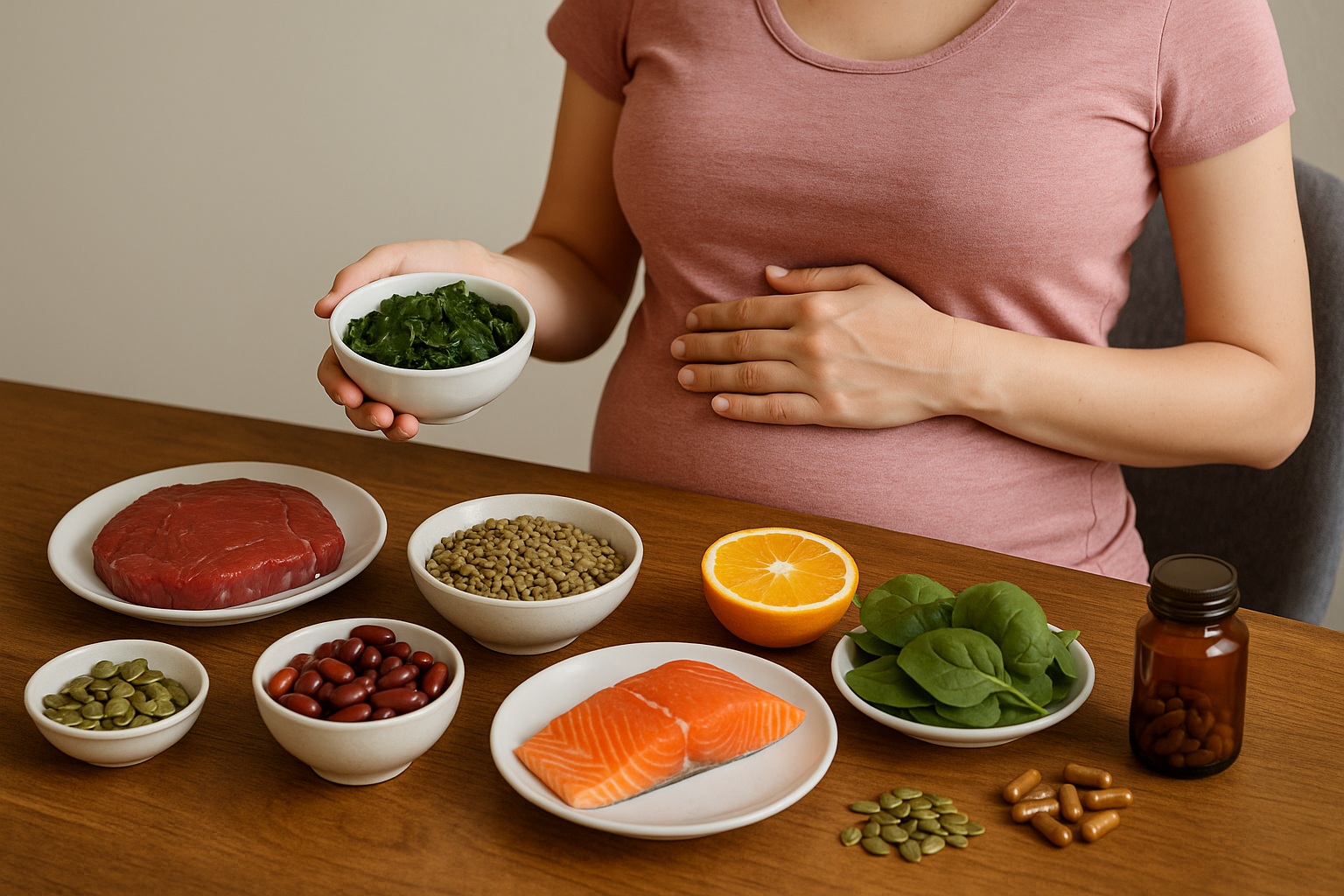
Iron plays a vital role in a healthy pregnancy, supporting both the mother’s increased blood volume and the growing baby’s development. Yet, iron deficiency anemia is one of the most common nutritional issues during pregnancy worldwide. Understanding your iron needs — and how to meet them — can make a significant difference in maternal well-being and birth outcomes.
Why Is Iron So Important in Pregnancy?
Iron is essential for the production of hemoglobin, the protein in red blood cells that carries oxygen. During pregnancy, a woman’s blood volume increases by up to 50% to support fetal growth. This leads to a higher demand for iron, particularly in the second and third trimesters.
Iron also plays a key role in:
- Placental development
- Oxygen delivery to the fetus
- Reducing risk of preterm birth and low birth weight
- Building baby’s iron stores for early infancy
How Much Iron Do You Need?
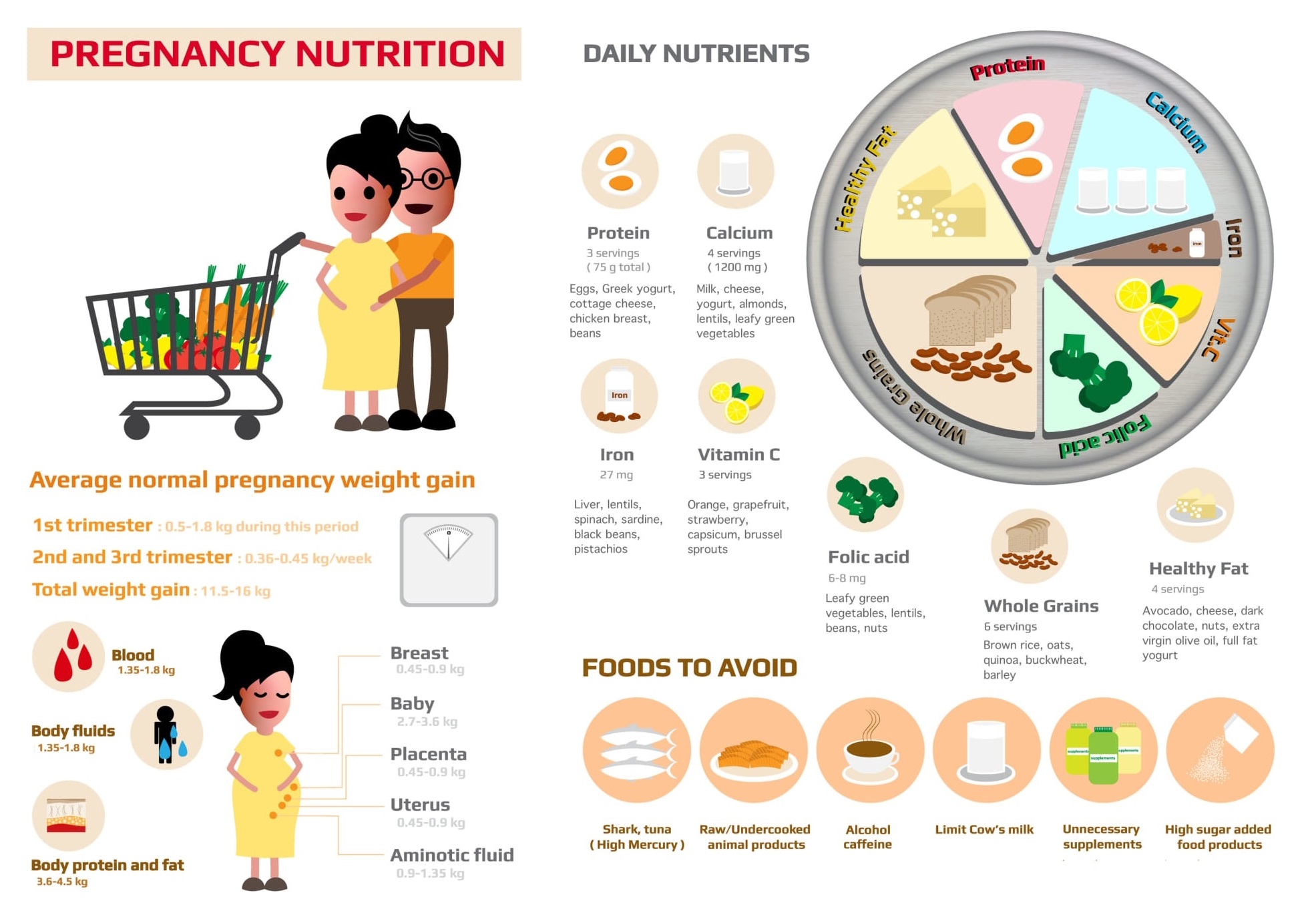
The World Health Organization (WHO) and Centers for Disease Control and Prevention (CDC) recommend that pregnant women get about 27 mg of iron per day through food and/or supplements.
Iron Deficiency and Anemia: Risks and Symptoms
Iron deficiency can progress to anemia, a condition where the blood cannot carry enough oxygen. Pregnant women are particularly vulnerable due to the increased iron demands.
Common Symptoms of Iron Deficiency Anemia:
- Fatigue or weakness
- Shortness of breath
- Pale skin or lips
- Dizziness or headaches
- Cold hands and feet
- Rapid heartbeat
If left untreated, anemia in pregnancy is associated with serious complications, including:
- Increased risk of infection
- Preterm delivery
- Low birth weight
- Postpartum depression
Food Sources of Iron
There are two types of dietary iron:
- Heme iron – Found in animal sources; more easily absorbed
- Non-heme iron – Found in plant-based sources; absorption is lower
Top Heme Iron Sources:
- Red meat (beef, lamb)
- Poultry (chicken, turkey)
- Fish (sardines, tuna, salmon)
Top Non-Heme Iron Sources:
- Lentils, chickpeas, beans
- Tofu and tempeh
- Spinach, kale, and other leafy greens
- Iron-fortified cereals and grains
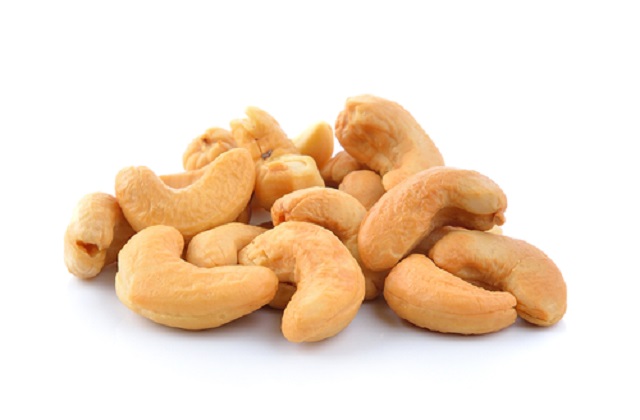
- Pumpkin seeds, cashews, and quinoa
To enhance absorption of non-heme iron, combine it with vitamin C-rich foods like citrus fruits, strawberries, tomatoes, or bell peppers.
Should You Take Iron Supplements?
Most prenatal vitamins contain iron, but some women may need additional supplementation, especially if they are anemic or at risk (e.g., multiple pregnancies, vegetarian diet, heavy pre-pregnancy menstruation).
Types of Iron Supplements:
- Ferrous sulfate – Most common; may cause constipation
- Ferrous gluconate – Gentler on the stomach
- Slow-release or liquid iron – Better tolerated in some cases
Note: Iron is best absorbed on an empty stomach, but taking it with food can reduce side effects. Avoid taking it with calcium-rich foods or antacids, which hinder absorption.
Conclusion
Iron is more than just a mineral during pregnancy — it’s essential for a safe and healthy journey for both mother and baby. With the right diet and supplementation, most women can prevent iron deficiency and ensure optimal outcomes. Always work with your healthcare provider to monitor your iron levels and tailor your nutritional plan accordingly.
FAQ
How is iron deficiency diagnosed during pregnancy?
It’s typically identified through blood tests measuring hemoglobin and ferritin levels, often done during prenatal checkups.
Can too much iron be harmful?
Yes. Excess iron can cause gastrointestinal issues and, in rare cases, toxicity. Don’t take iron supplements without a healthcare provider’s advice.
What are the best times during pregnancy to monitor iron levels?
Most commonly in the first and second trimesters, with follow-ups if levels are low or symptoms appear.
Do all pregnant women need to take iron supplements?
Not necessarily. Women with adequate dietary intake and healthy iron levels may not need additional supplements beyond what is in prenatal vitamins.
Scientific and Professional Sources
- World Health Organization (WHO). Daily iron and folic acid supplementation during pregnancy. 2012.
- Centers for Disease Control and Prevention (CDC). Recommendations to prevent and control iron deficiency in the U.S.
- Institute of Medicine. Dietary Reference Intakes for Iron. 2001.
- Milman, N. (2011). Iron and pregnancy: A delicate balance. Annals of Hematology.
It takes a village to raise a child !
Join our Facebook group Preschools & Kindergartens in Hong Kong to interact with other parents.