Foods High in Folic Acid
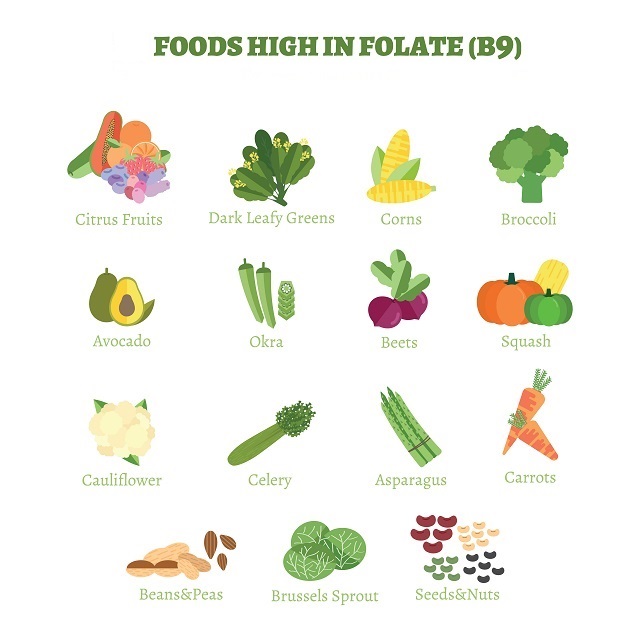
Folic acid is the synthetic form of vitamin B9 and its natural form is called folate. Our body is more adept at utilizing folate and regulates its healthy levels by removing excess folate. While folic acid is found in supplement or processed food, folate can be found in natural sources like vegetables and fruits. It is understood that many uses the folic acid and folate interchangeably.
Importance of Folic Acid
It is important to have enough folic acid in your diet during pregnancy or before you are trying to conceive.
Folic acid helps to prevent neural tube defects (NTDs) – serious birth defects of the spinal cord (such as spina bifida) and the brain (such as anencephaly) which may lead to Down Syndrome in the baby. Neural tube defects occur at a very early stage of embryonic development even before many women know they are pregnant.
According to a report by Food Safety Authority of Ireland, about 70% of NTDs are preventable with folic acid, a form of the B-vitamin folate, if taken from before conception until about the fourth week of pregnancy.
Other research suggests that folic acid may help to lower the risk of other birth defects such as cleft lip, cleft palate, and certain types of heart defects. For pregnant women, folic acid helps to reduce risk of preeclampsia, a condition in pregnancy characterized by high blood pressure, sometimes with fluid retention and proteinura which affects about 5 percent of pregnant women.
While supplement fortified with folic acid can easily be found in the market, you can get folic acid through consuming certain foods if you want a natural form of it.
How much folic acid you need
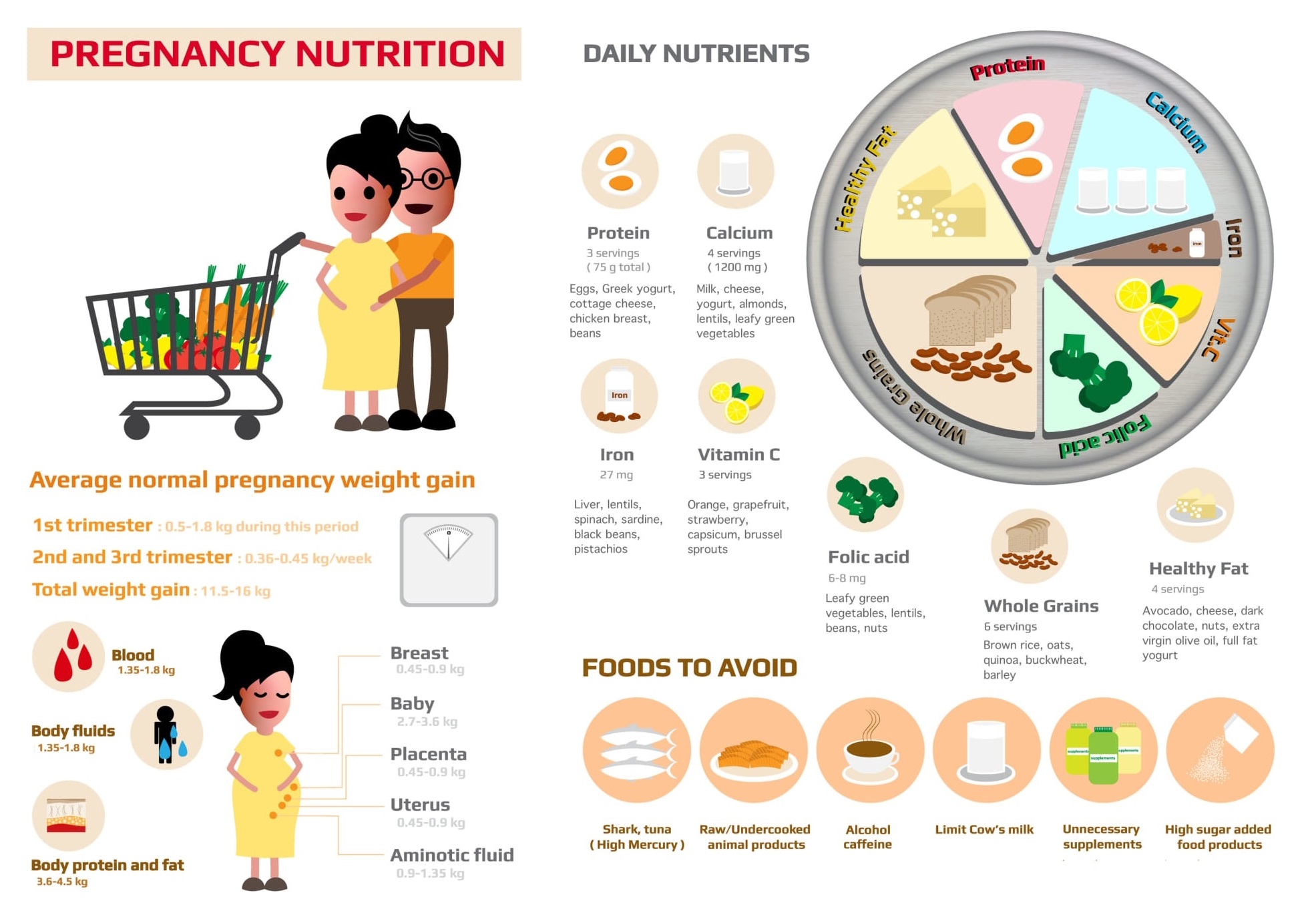
To reduce your baby's risk of developing a neural tube defect, experts recommend that you take 400 micrograms (mcg) of folic acid a day, beginning at least a month before you start trying to get pregnant.
Avocado
One cup of avocado has about 110 mcg of folate. Avocado is also rich in fatty acids, vitamin K, dietary fiber, vitamin C, vitamin E and Copper. These are beneficial for the healthy development of the embryo.
Broccoli
As one of the healthiest vegetables, broccoli is not only rich in dietary fibre, it is also rich in folate. 100g of raw broccoli has 63 micrograms of folate.
Broccoli is also a good source of vitamin C, vitamin K, dietary fiber and vitamin E.
Corn
One cup of corn will provide you with approximately 34 mcg of folic acid. Corn is also rich in dietary fiber which can help to prevent constipation during pregnancy.
Carrots
100 grams of Carrots will provide 27 microgram of folate.
Carrot is also rich in vitamin A and dietary fiber.
Okra
Okra is a great source of folate. 100 grams of okra holds about 46 micrograms of folate.
The health benefits of okra also include its ability to lower cholesterol level and cleanse the digestive tract of toxic build-up.
Asparagus
Among all vegetables, asparagus holds the most folate. 100 grams of asparagus holds about 149 micrograms of folate.
Asparagus is also an excellent source of vitamin K, copper, zinc, iron, vitamin B1, vitamin B2 and vitamin C.
Cauliflower
Cauliflower not only is rich in vitamin C, but it is also rich in folate. 100 grams of cauliflower will supply you 57 microgram of folate.
Seeds and Nuts
Pumpkin, sesame, sunflower seeds are rich in folate. Peanut and almond can also provide folate that a pregnant women needs.
Dark Leafy Greens
100 grams of spinach can provide 194 micrograms of folate while 100 grams of lettuce contains 136 micrograms of folate.
100 grams of mustard green will give you 76 micrograms of folate and collards green will provide 93 micrograms of folate.
Squash
The health benefits of winter or summer squash are as vibrant as the vegetable’s brilliant colours. They are not only delicious, but also rich in folic acid that pregnant women will need during their pregnancy.
Citrus fruit
Citrus fruits are rich in folate. They include oranges, papaya, grapefruit, strawberries and raspberries.
100 grams of papaya has 38 micrograms of folate; 100 grams of oranges has 30 micrograms of folate; 100 grams of strawberry has 17 micrograms of folate.
Beans and peas
Pinto beans, lima beans, green peas, black-eyed peas and kidney beans are rich in folic acid.
A small bowl of any type of lentils provides most of your daily folate needs. 100 grams of it can provide about 200 micrograms of folic acid.
Brussel Spout
Brussel spout is one of the best foods for folate. One cup of boiled sprouts can provide about 100 micrograms of your daily recommended amount.
Beets
Beets is an excellent source of antioxidants which can help to boost the immune system of pregnant women.
Beets is also packed with high amounts of folate. 100g of beets can provide 109 microgram of folic acid which is about 25% of your daily recommended intake.
It takes a village to raise a child !
Join our Facebook group Preschools & Kindergartens in Hong Kong to interact with other parents.