Food Aversions and Cravings During Pregnancy
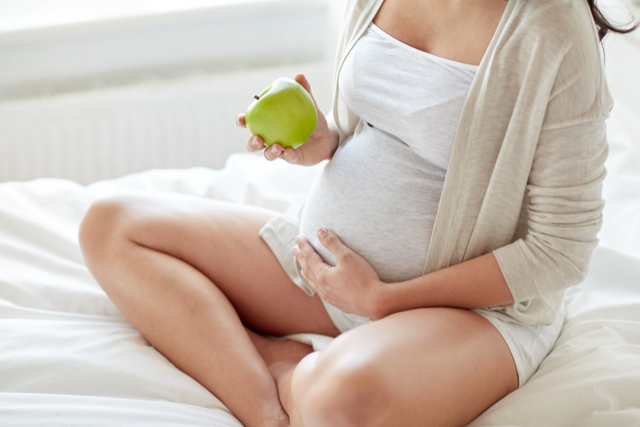
Pregnancy is a time of dramatic changes—not just physically and emotionally, but also in how you respond to food. Many expectant mothers experience sudden cravings for specific foods or develop strong aversions to others. These shifts can be surprising, amusing, and sometimes overwhelming. Understanding why they occur and how to manage them can help make your pregnancy journey smoother and more enjoyable.
What Are Food Cravings and Aversions?
Food cravings are intense desires to eat certain foods, often suddenly and sometimes repeatedly. These foods may be sweet, salty, spicy, or even unusual combinations.
Food aversions, on the other hand, are strong dislikes toward certain foods, sometimes to the point of nausea. Even the smell or sight of the food can be enough to cause discomfort.
When Do They Start?
Cravings and aversions can begin as early as the first trimester and may continue—or change—throughout pregnancy. They often coincide with morning sickness, which is also linked to hormonal changes.
Common Pregnancy Cravings
- Sweet foods like chocolate, ice cream, and fruit
- Salty snacks such as chips and pickles
- Spicy dishes or sour items like tamarind or lemon
- Carbohydrate-rich comfort foods like rice, noodles, and bread
- Unusual combinations like peanut butter and pickles
These cravings are usually harmless as long as they're part of a balanced diet and do not replace essential nutrients.
Common Food Aversions
- Strong-smelling foods such as fish, garlic, or eggs
- Meat or poultry, especially during the first trimester
- Greasy, fried, or overly processed foods
- Foods previously loved before pregnancy
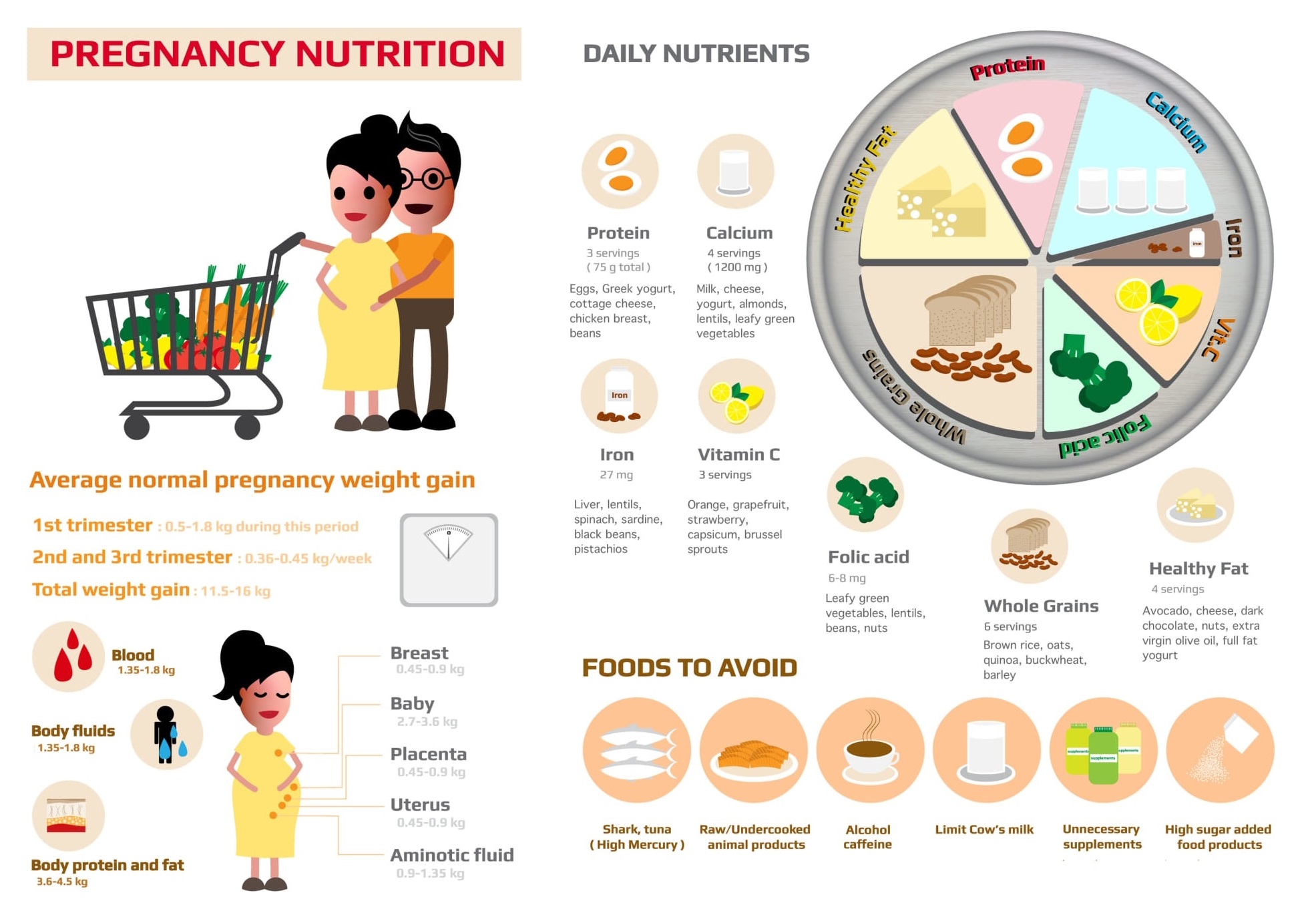
Aversions can make it harder to meet your nutritional needs, especially if they include high-protein or iron-rich foods.
Why Do Cravings and Aversions Happen?
The exact cause isn't fully understood, but several factors may play a role:
- Hormonal changes: Rising levels of estrogen and hCG (human chorionic gonadotropin) affect taste and smell.
- Nutritional needs: Some believe cravings signal a deficiency (e.g., iron or calcium), although this isn't always proven.
- Psychological and cultural influences: Comfort foods from childhood or cultural preferences may shape cravings.
- Heightened senses: A stronger sense of smell or taste sensitivity can contribute to both aversions and cravings.
Are Food Cravings Ever Harmful?
Most cravings are harmless and can be indulged occasionally. However, a condition called pica involves cravings for non-food items like chalk, clay, ice, or soap. If you experience these types of cravings, consult your doctor immediately, as they may indicate nutritional deficiencies or pose health risks.
How to Manage Food Aversions and Cravings
Tips for Handling Cravings
- Give in to cravings occasionally, but keep portion sizes moderate
- Find healthier alternatives (e.g., frozen fruit instead of ice cream)
- Eat small, frequent meals to avoid blood sugar dips that trigger cravings
Tips for Handling Aversions
- Identify alternative sources of key nutrients (e.g., beans or tofu instead of meat)
- Prepare food in ways that reduce smells, like steaming instead of frying
- Eat cold or room-temperature meals to avoid strong odors
- Talk to a doctor or dietitian if aversions affect your ability to eat well
When to Talk to a Healthcare Provider
See your doctor if:
- You can't keep food down for long periods
- Your cravings involve non-edible substances (pica)
- You experience significant weight loss or poor nutrition due to aversions
- You're worried about how your cravings are affecting your health or your baby's
Conclusion
Food cravings and aversions are normal parts of pregnancy and vary greatly from person to person. The key is balance—honor your cravings in moderation, find workarounds for aversions, and prioritize your and your baby's nutritional needs. When in doubt, consult a healthcare professional to ensure you're on the right track.
It takes a village to raise a child !
Join our Facebook group Preschools & Kindergartens in Hong Kong to interact with other parents.