Constipation During Pregnancy: Food, Fluids and Safe Relief
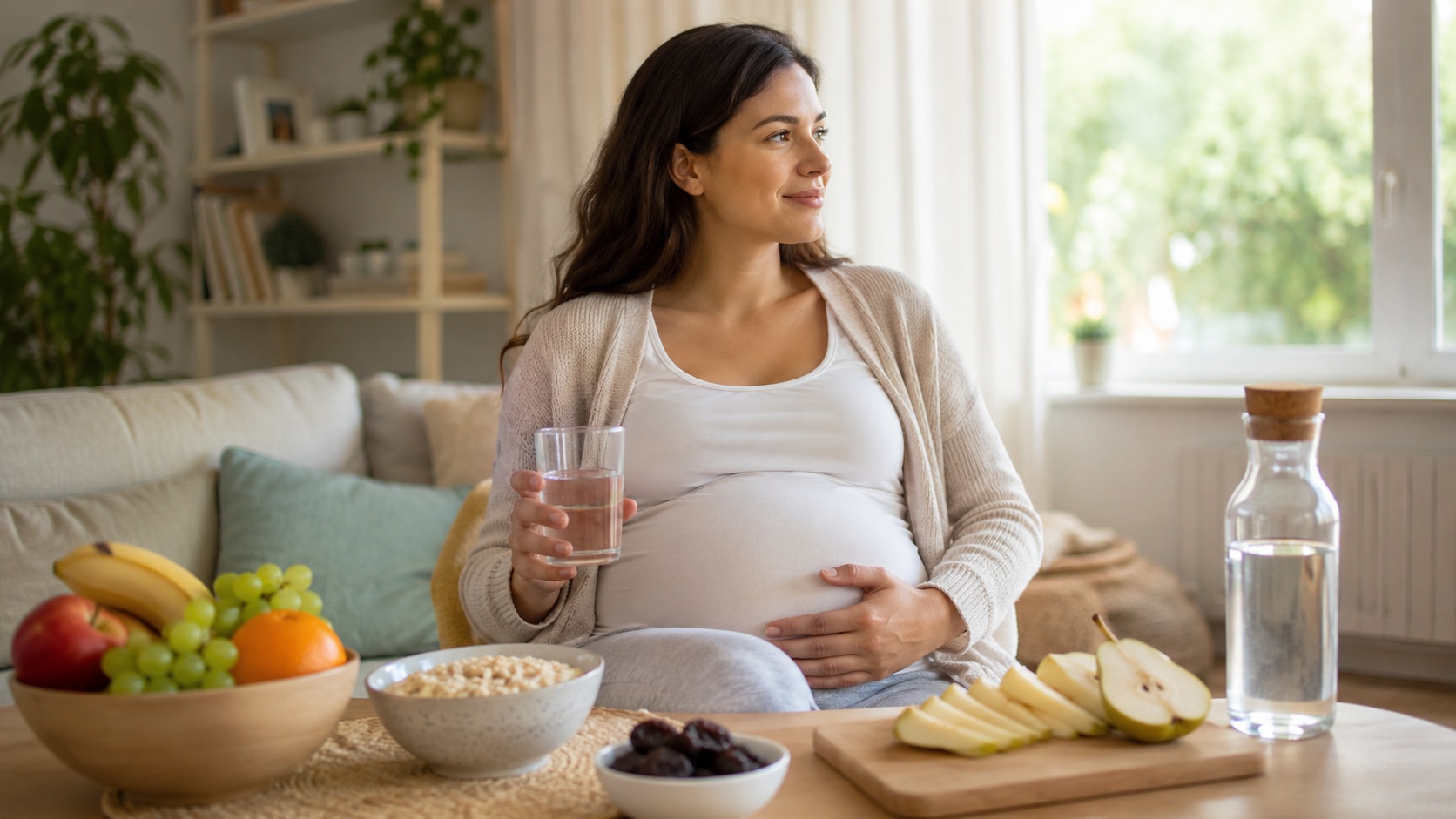
Constipation during pregnancy is common and can be uncomfortable. Some pregnant women pass stools less often, while others feel bloated, strained, gassy or unable to empty their bowels fully.
Constipation can happen at any stage of pregnancy, but it may become more noticeable as pregnancy progresses. Hormonal changes can slow digestion, the growing uterus can put pressure on the intestines, and iron supplements may make stools harder for some women.
The good news is that constipation often improves with simple steps such as increasing fibre gradually, drinking enough fluids, moving regularly and building better toilet habits. If these do not help, your doctor or pharmacist can advise pregnancy-safe options.
What Is Constipation During Pregnancy?
Constipation means bowel movements become less frequent or harder to pass. You may have constipation if you:
- Pass stools less often than usual
- Have hard, dry or lumpy stools
- Need to strain when passing motion
- Feel bloated or uncomfortable
- Feel that your bowel is not fully emptied
- Have pain or bleeding from piles due to straining
Every person’s bowel pattern is different. Some people pass motion daily, while others do so every few days. The important point is whether your bowel movement has become harder, more painful or much less frequent than usual.
Why Does Constipation Happen During Pregnancy?
1. Hormonal changes
Pregnancy hormones can slow down movement in the digestive system. ACOG notes that increased hormone levels during pregnancy can slow digestion and cause constipation. [1]
2. Iron supplements
Iron is important during pregnancy, especially if you have anaemia or low iron levels. However, iron tablets can cause constipation, dark stools or stomach discomfort in some women.
Do not stop prescribed iron without speaking to your doctor. If constipation is severe, ask whether a different iron formulation, timing or dose is suitable.
3. Not enough fibre
Fibre helps add bulk and softness to stools, making them easier to pass. If your diet is low in vegetables, fruit, whole grains, beans, lentils, nuts and seeds, constipation may be more likely.
4. Not enough fluids
Fluids help soften stools. HealthHub Singapore explains that increasing fibre without drinking enough water can make constipation worse. [2]
5. Reduced movement
Fatigue, nausea, bed rest, body aches or a busy work schedule may reduce physical activity. Gentle movement helps stimulate bowel movement for many people.
6. Pressure from the growing uterus
As the uterus grows, it can put pressure on the bowel and make digestion feel slower or more uncomfortable.
What Foods Help Constipation During Pregnancy?
Food is usually the first place to start. ACOG recommends aiming for about 25 grams of fibre each day and lists fruits, vegetables, whole grains, beans, nuts and seeds as good fibre sources. [3]
High-fibre foods to include
- Fruits: apples, pears, oranges, berries, bananas, prunes, papaya
- Vegetables: spinach, broccoli, carrots, pumpkin, sweet potato, leafy greens
- Whole grains: oats, brown rice, wholemeal bread, wholegrain noodles, wholegrain cereal
- Beans and lentils: chickpeas, red beans, green beans, dhal, lentil soup
- Nuts and seeds: chia seeds, flaxseeds, almonds, walnuts, sunflower seeds
- Pregnancy-friendly snacks: fruit with yoghurt, wholegrain crackers, steamed sweet potato, oatmeal
Singapore-friendly meal ideas
- Brown rice with vegetables, tofu and fish
- Yong tau foo with more vegetables and less fried items
- Fish soup with brown rice or bee hoon and extra vegetables
- Oats with fruit and chia seeds
- Wholemeal toast with egg and fruit
- Vegetable dhal with brown rice or wholemeal chapati
- Economic rice with two vegetable dishes and one protein dish
Increase fibre slowly
Do not suddenly double your fibre intake overnight. A big jump in fibre may cause gas, bloating or cramps. Increase fibre gradually over several days or weeks, and drink more fluids at the same time.
How Much Water Should Pregnant Women Drink?
Fluid needs vary depending on body size, activity level, weather, sweating, vomiting and medical conditions. In Singapore’s warm climate, many pregnant women may need to be especially mindful about drinking regularly.
Useful signs that you may need more fluids include:
- Dark yellow urine
- Passing urine less often than usual
- Dry mouth
- Headache
- Dizziness
- Hard, dry stools
Water is best, but fluids can also come from soup, milk, yoghurt drinks, fruits and vegetables. Try to reduce sweet drinks, bubble tea, soft drinks and excessive fruit juice, especially if you have gestational diabetes or are at risk of it.
Simple Fluid Tips That May Help
- Keep a water bottle beside you at work or home.
- Drink a glass of water after waking up.
- Take small sips often if large amounts make you nauseous.
- Pair fibre-rich meals with water.
- Choose clear soup or broth with meals if you dislike plain water.
- Add lemon, cucumber or mint to water if it helps you drink more.
Does Exercise Help Pregnancy Constipation?
Gentle movement may help stimulate bowel activity. NHS guidance recommends increasing fibre, drinking plenty of fluids and trying gentle exercise for constipation during pregnancy. [4]
If your doctor says exercise is safe for you, consider:
- Walking
- Prenatal yoga
- Swimming
- Gentle stretching
- Light daily movement after meals
If you have bleeding, placenta complications, risk of preterm labour, severe pain or have been advised to limit activity, follow your doctor’s advice.
Better Toilet Habits During Pregnancy
Good bowel habits can make a difference, especially when constipation is mild.
- Do not ignore the urge to pass motion.
- Give yourself enough time in the toilet.
- Try going after breakfast, when the bowel may be more active.
- Place your feet on a small stool so your knees are slightly higher than your hips.
- Avoid straining hard, as this can worsen piles.
- Put your phone away if scrolling makes you sit too long.
Are Laxatives Safe During Pregnancy?
If food, fluids and movement do not help, speak to your doctor, gynae or pharmacist. Some laxatives may be used during pregnancy, but it is best not to self-medicate, especially if you have abdominal pain, bleeding, vomiting or a high-risk pregnancy.
Mayo Clinic notes that bulk-forming laxatives such as psyllium and polycarbophil are typically considered safe during pregnancy because they are not absorbed by the body. However, they may cause gas or bloating. [5]
NHS guidance on senna and docusate in pregnancy also recommends trying fibre, fluids and gentle exercise first; if these do not work, a doctor or midwife may recommend laxatives such as lactulose or Fybogel, and docusate is occasionally used in pregnancy. [6] [7]
Common options your doctor may discuss
- Bulk-forming fibre supplements: such as psyllium. These help add bulk to stool and should be taken with enough water.
- Osmotic laxatives: such as lactulose or polyethylene glycol. These help draw water into the bowel to soften stools.
- Stool softeners: such as docusate, if suitable.
- Stimulant laxatives: sometimes used short-term if advised by a doctor.
Avoid frequent or long-term laxative use without medical advice. Also avoid herbal “detox” teas, slimming teas, castor oil or unknown traditional remedies unless your doctor confirms they are safe.
What If Iron Tablets Are Causing Constipation?
Iron supplements are a common reason constipation becomes worse during pregnancy. However, iron is important if you are anaemic or have low iron stores.
Ask your doctor about:
- Whether your iron dose can be adjusted
- Whether a different type of iron may be better tolerated
- Whether taking iron at a different time of day may help
- How to separate iron from calcium if needed
- Whether you need more fibre, fluids or a safe stool softener
Do not stop prescribed iron suddenly, especially if you have been told you are anaemic.
Constipation and Piles During Pregnancy
Constipation and straining can worsen piles, also called haemorrhoids. Piles may cause pain, itching, swelling or bright red blood after passing motion.
To reduce discomfort:
- Avoid straining
- Keep stools soft with fibre and fluids
- Do not sit on the toilet for too long
- Use gentle cleaning after bowel movements
- Ask your doctor about pregnancy-safe creams if needed
Bleeding should not automatically be assumed to be piles. If you are unsure where bleeding is coming from, or if bleeding is heavy or persistent, seek medical advice.
When Should You See a Doctor?
Contact your doctor, gynae or pharmacist if:
- Constipation lasts more than a few days despite food and fluid changes
- You have severe pain or bloating
- You vomit or cannot keep fluids down
- You notice blood in the stool or bleeding from the rectum
- You have unexplained weight loss
- You cannot pass gas or stool
- You need laxatives often
- You are taking iron and constipation is becoming difficult to manage
Seek Urgent Medical Help If You Have These Symptoms
- Severe or worsening abdominal pain
- Persistent vomiting
- Fever
- Black, tarry stools not explained by iron supplements
- Heavy rectal bleeding
- Signs of dehydration such as dizziness, very dark urine or passing very little urine
- Contractions, vaginal bleeding or reduced baby movements in later pregnancy
What Not to Do
- Do not take herbal laxative teas or slimming teas without medical advice.
- Do not use castor oil to induce bowel movement.
- Do not stop prescribed iron without speaking to your doctor.
- Do not strain hard for long periods.
- Do not ignore severe pain, vomiting or bleeding.
FAQ: Constipation During Pregnancy
Is constipation common during pregnancy?
Yes. Constipation is common during pregnancy because hormonal changes can slow digestion, and iron supplements, reduced movement, low fibre intake and pressure from the growing uterus may also contribute.
What foods help constipation during pregnancy?
Fibre-rich foods can help, including fruits, vegetables, whole grains, beans, lentils, nuts and seeds. Increase fibre gradually and drink enough water to avoid worsening bloating or constipation.
How much fibre should pregnant women aim for?
ACOG suggests aiming for about 25 grams of fibre per day. Good sources include fruits, vegetables, whole grains, beans, nuts and seeds.
Can I take laxatives while pregnant?
Some laxatives may be used during pregnancy if diet, fluids and exercise are not enough. Bulk-forming laxatives are often considered safe because they are not absorbed by the body, but pregnant women should ask a doctor or pharmacist before taking medication.
Can iron tablets cause constipation?
Yes. Iron tablets can make constipation worse for some pregnant women. Do not stop prescribed iron without medical advice. Ask your doctor whether a different dose, formulation or constipation treatment is suitable.
Does drinking more water help constipation?
Yes, especially when increasing fibre. Fluids help keep stools softer. HealthHub Singapore notes that increasing fibre without enough water may make constipation worse.
When should I worry about constipation during pregnancy?
Seek medical advice if constipation is severe, persistent, painful, associated with vomiting, blood in stool, inability to pass gas or stool, fever, dehydration, contractions, vaginal bleeding or reduced baby movements.
Key Takeaway
Constipation during pregnancy is common, but it can often be improved with gradual fibre increase, enough fluids, gentle movement and better toilet habits. Good food choices include fruits, vegetables, whole grains, beans, lentils, nuts and seeds.
If constipation remains uncomfortable or you are taking iron tablets, speak to your doctor, gynae or pharmacist. Some medicines may be safe during pregnancy when used appropriately, but self-medicating is not recommended. Seek urgent help if constipation comes with severe pain, vomiting, bleeding, fever or dehydration.
References
- [1] American College of Obstetricians and Gynecologists, Problems of the Digestive System.
- [2] HealthHub Singapore, Constipation.
- [3] American College of Obstetricians and Gynecologists, What Can Help With Constipation During Pregnancy?
- [4] NHS, Common Health Problems in Pregnancy: Constipation.
- [5] Mayo Clinic, Pregnancy Constipation: Are Stool Softeners Safe?
- [6] NHS, Senna: Pregnancy, Breastfeeding and Fertility.
- [7] NHS, Docusate: Pregnancy, Breastfeeding and Fertility.
It takes a village to raise a child !
Join our Facebook group Preschools & Kindergartens in Hong Kong to interact with other parents.