Climate Change and Pregnancy: How Heat Exposure Affects Birth Outcomes
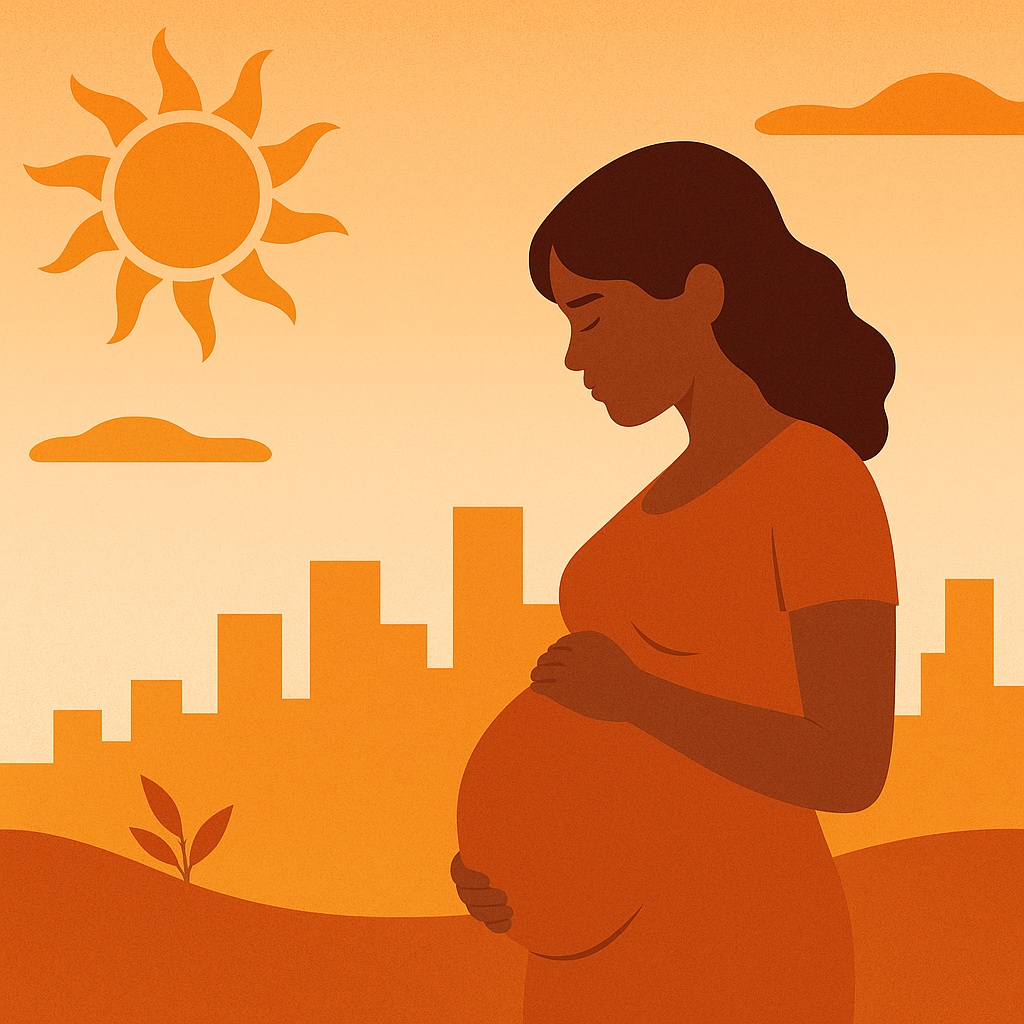
As global temperatures continue to rise due to climate change, researchers have uncovered alarming evidence that extreme heat can pose serious risks to pregnant women and their unborn babies. From preterm birth to low birth weight, heat exposure is emerging as a significant environmental factor influencing maternal and fetal health.
How Heat Affects the Pregnant Body
During pregnancy, a woman’s body undergoes substantial changes to support the growing fetus. These changes include increased blood volume, altered thermoregulation, and elevated metabolic demands. When exposed to extreme heat—especially without adequate hydration or cooling—pregnant women are more susceptible to heat stress, dehydration, and cardiovascular strain.
Link Between Heat and Preterm Birth
Multiple studies have established a connection between heatwaves and an increased risk of preterm birth. For example, a 2020 study published in the journal Nature Climate Change analyzed over 50 million births across the United States and found that higher temperatures were associated with an uptick in preterm deliveries, especially during the third trimester.
The suspected mechanisms include:
- Increased release of labor-inducing hormones like oxytocin during heat stress
- Dehydration leading to reduced blood flow to the uterus and placenta
- Inflammation and oxidative stress triggered by heat exposure
Low Birth Weight and Other Adverse Outcomes
Besides preterm birth, heat exposure has also been linked to low birth weight—a major risk factor for neonatal complications and chronic health issues later in life. According to a 2019 meta-analysis in Environmental Health Perspectives, maternal exposure to high temperatures during late pregnancy significantly increased the likelihood of delivering low birth weight infants.
Other reported outcomes include:
- Stillbirths in extreme heat conditions
- Higher incidence of birth defects in regions with sustained temperature spikes
- Greater disparities in birth outcomes for low-income communities with limited access to cooling resources
Who Is Most at Risk?
Pregnant individuals living in urban areas, low-income housing, or without air conditioning are especially vulnerable. These populations often experience the “urban heat island effect,” where cities retain heat more than rural areas, making nighttime cooling difficult. Furthermore, agricultural workers and those with outdoor jobs may face sustained heat exposure without relief.
What Can Be Done?
Healthcare providers and public health officials are increasingly emphasizing preventive strategies to protect pregnant women from heat-related complications. These include:
- Educating expectant mothers about heat risks and hydration
- Encouraging rest and reduced physical activity during peak heat hours
- Promoting the use of fans, air conditioners, or access to cooling centers
- Integrating climate resilience into maternal health planning
Climate Change Is a Maternal Health Issue
While climate change is often framed as a future environmental threat, its impact on maternal and child health is immediate and measurable. Protecting pregnant individuals from heat stress is not just a matter of comfort—it's a matter of public health, equity, and survival.
Conclusion
As the planet warms, pregnant women and their babies stand on the frontlines of environmental vulnerability. Understanding and mitigating the risks posed by extreme heat is essential to safeguarding birth outcomes and ensuring healthier generations to come.
It takes a village to raise a child !
Join our Facebook group Preschools & Kindergartens in Hong Kong to interact with other parents.