Backaches in Pregnancy: Causes, Relief, and Prevention Tips
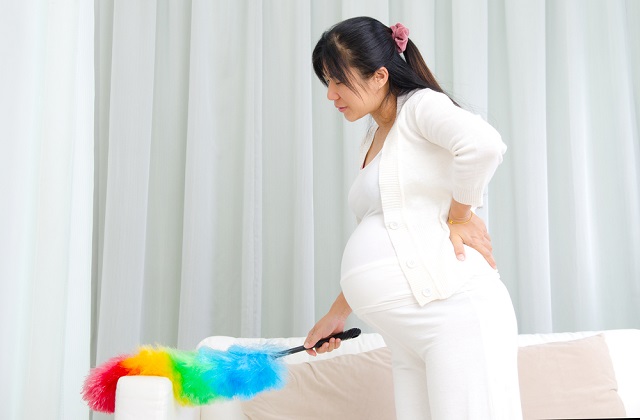
Back pain is a common discomfort during pregnancy, affecting nearly 50 to 70 percent of expectant mothers. As your baby grows and your body adapts, changes in posture, hormones, and weight distribution can all contribute to aches in the lower or upper back. While often unavoidable, back pain can be managed and relieved with the right strategies.
Why Does Back Pain Occur During Pregnancy?
There are several interconnected reasons why back pain becomes more common as pregnancy progresses:
- Weight gain: The extra weight carried during pregnancy adds strain to the back muscles and spine, especially the lower back.
- Posture changes: As your center of gravity shifts forward, your posture may unconsciously change, putting added pressure on your spine and lower back.
- Hormonal changes: The pregnancy hormone relaxin loosens ligaments in the pelvic joints to prepare for birth, but it also reduces joint stability, increasing strain on muscles and ligaments.
- Muscle separation: The growing uterus can cause the rectus abdominis muscles (ab muscles) to separate, weakening the core and contributing to lower back pain.
- Stress: Emotional stress can cause muscle tension in the back, leading to pain or spasms.
When Does Pregnancy-Related Back Pain Start?
Back pain can start as early as the first trimester, especially in women who already have underlying spinal issues or posture imbalances. However, it becomes more pronounced in the second and third trimesters as the baby grows and body changes intensify.
Types of Pregnancy Back Pain
- Lower back pain: This is the most common type, typically located around the lumbar spine (waistline or slightly lower).
- Pelvic girdle pain: Pain felt in the posterior pelvis, buttocks, or thighs, often aggravated by activities like walking, climbing stairs, or rolling in bed.
- Upper back pain: Less common but may occur in women who work at desks or carry older children frequently.
Safe Ways to Relieve Back Pain During Pregnancy
1. Maintain Good Posture
Stand tall with your shoulders relaxed, chest forward, and pelvis tucked slightly in. Avoid slouching when sitting or arching your back when standing.
2. Use Proper Support While Sitting
Choose chairs with good lumbar support or place a small cushion behind your lower back. Keep your feet flat on the floor or use a footrest.
3. Wear Supportive Footwear
Avoid high heels and opt for low-heeled, arch-supporting shoes to maintain good posture and reduce strain on your lower back.
4. Sleep Smart
Use a pregnancy pillow or place a pillow between your knees while sleeping on your side (preferably your left). This aligns the hips and spine and reduces pressure on your back.
5. Apply Heat or Cold Packs
Heat packs (not too hot) on the lower back can relax tense muscles. Cold packs can help with inflammation. Always wrap them in a cloth and use for 15–20 minutes at a time.
6. Try Prenatal Massage
Certified prenatal massage therapists can help reduce tension and ease sore muscles. Ensure your provider is experienced with pregnancy care.
7. Stay Active with Gentle Exercise
Walking, swimming, and prenatal yoga can strengthen your muscles and improve posture. Always consult your doctor before starting any exercise routine.
8. Practice Pelvic Tilts
This gentle exercise strengthens abdominal muscles and stretches the lower back. Try it on all fours by arching your back slightly and then relaxing it.
When to Seek Medical Help
Some back pain is expected, but you should contact your healthcare provider if you experience:
- Severe or sudden back pain
- Back pain accompanied by fever or vaginal bleeding
- Numbness or tingling in your legs or buttocks
- Difficulty walking or standing for extended periods
These could be signs of a more serious condition such as sciatica, kidney infection, or preterm labor.
Tips for Working Mothers in Singapore
If you're working during pregnancy, consider these tips:
- Use an ergonomic chair and take regular stretch breaks every 30–60 minutes.
- Request for light duty or desk adjustments if your job involves heavy lifting or prolonged standing.
- Apply for maternity benefits such as prenatal medical leave if discomfort becomes too severe.
Advice for Partners and Families
- Help with household chores that involve lifting or bending.
- Encourage her to rest, especially in the evenings.
- Offer massages or assist in prenatal stretches at home.
Conclusion
Backaches are a common yet manageable part of pregnancy. Through posture adjustments, supportive sleep setups, and light exercise, you can significantly reduce discomfort. Always listen to your body and don't hesitate to consult your doctor if pain persists or worsens. A healthy pregnancy journey includes caring for both your baby and your back.
Next in our pregnancy discomfort series: Heartburn and indigestion—what causes it and how to manage it safely.
It takes a village to raise a child !
Join our Facebook group Preschools & Kindergartens in Hong Kong to interact with other parents.