Back Pain During Pregnancy: Causes and Safe Ways to Relieve It
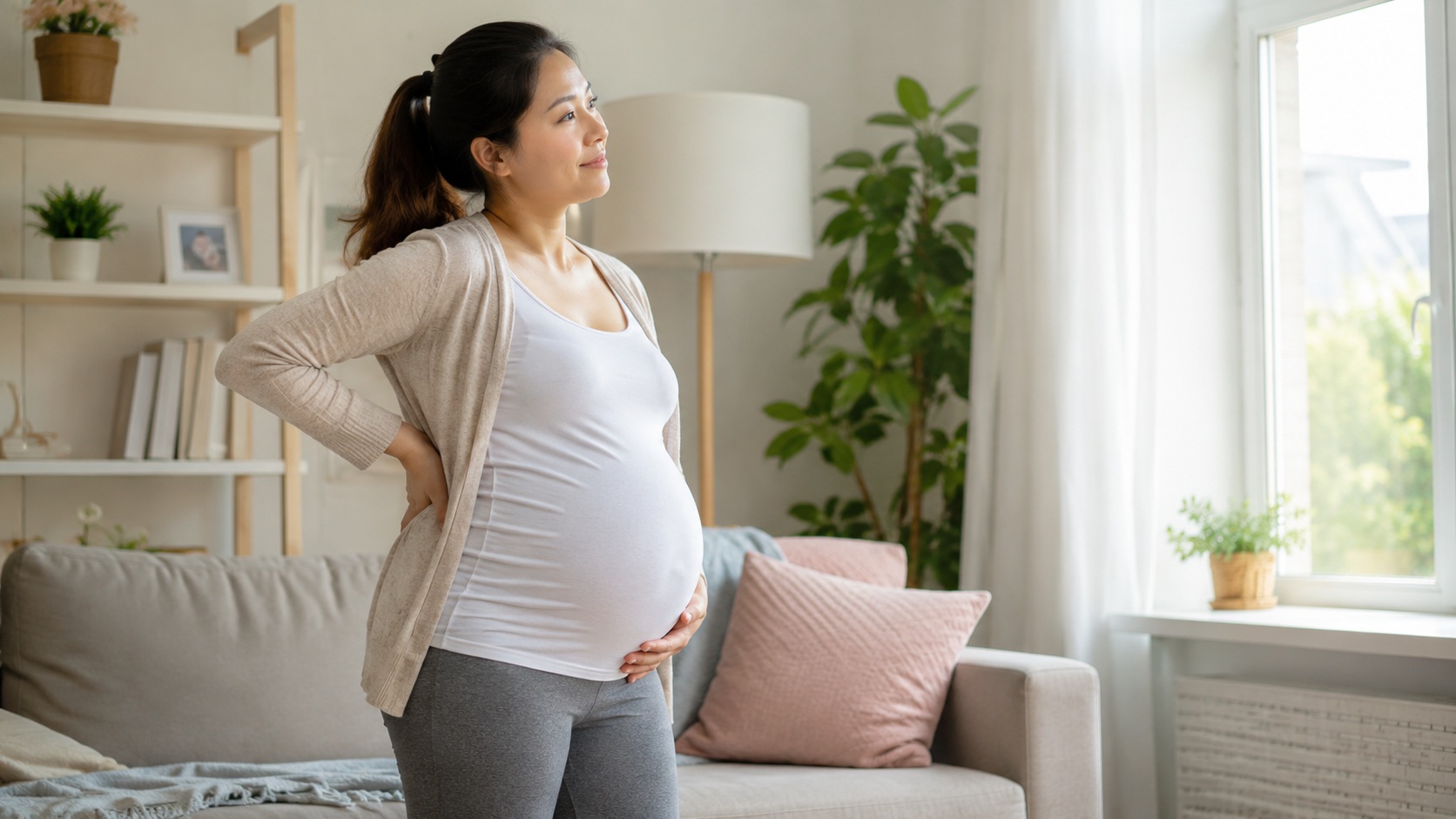
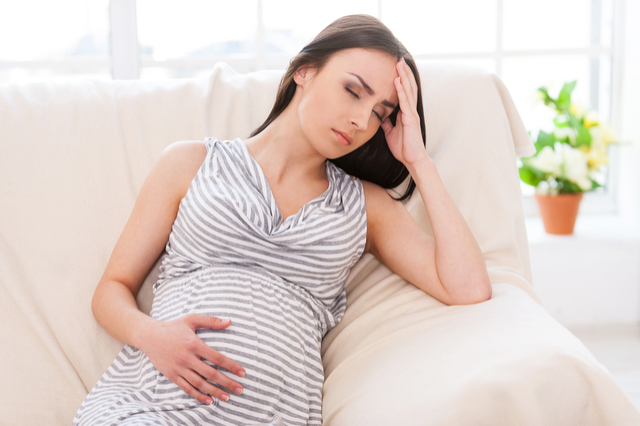
Back pain during pregnancy is very common. Some women feel a dull ache in the lower back, while others feel pain around the hips, pelvis, buttocks or upper back. The pain may be mild and occasional, or it may affect walking, sitting, sleeping, working and daily activities.
Pregnancy back pain is often related to normal body changes such as weight gain, posture changes, hormonal effects on joints and ligaments, and pressure from the growing uterus. However, severe pain, pain with fever, bleeding, contractions, urinary symptoms or weakness should not be ignored.
The American College of Obstetricians and Gynecologists notes that back pain can happen because pregnancy changes posture and stretches muscles, and that back exercises, good posture and support may help. [1]
Why Does Back Pain Happen During Pregnancy?
1. Change in centre of gravity
As your baby grows, your belly becomes heavier and your centre of gravity shifts forward. To balance, many pregnant women naturally lean back slightly. This can strain the muscles in the lower back.
2. Hormonal changes
Pregnancy hormones help soften and loosen ligaments to prepare the body for birth. This is normal, but it can also make the joints and muscles around the pelvis and lower back feel less stable.
3. Weight gain
Healthy pregnancy weight gain supports your baby’s growth, but the extra weight also places more demand on the spine, hips, knees and feet.
4. Weaker abdominal support
As the uterus expands, the abdominal muscles stretch. This can reduce core support for the back, especially in the second and third trimester.
5. Long sitting, standing or poor posture
Sitting for long hours, standing for long periods, carrying heavy bags, wearing unsupportive shoes or bending awkwardly can worsen back pain.
6. Stress and poor sleep
Stress can increase muscle tension, while poor sleep can make pain feel worse. Back pain may also disturb sleep, creating a tiring cycle.
Where Is Pregnancy Back Pain Usually Felt?
Pregnancy-related back pain is often felt in:
- The lower back
- The back of the pelvis
- The hips or buttocks
- The tailbone area
- The upper back or shoulder area, especially if posture is poor
Some women may also have pelvic girdle pain, which can feel like pain at the front of the pelvis, groin, inner thighs or around the hips. If walking, climbing stairs, turning in bed or getting in and out of a car becomes painful, ask your doctor whether you may need physiotherapy support.
Safe Ways to Relieve Back Pain During Pregnancy
1. Practise good posture
Good posture reduces strain on the back. Mayo Clinic advises pregnant women to stand up straight, hold the chest high, keep shoulders back and relaxed, and avoid locking the knees. [2]
Try these posture habits:
- Stand tall with shoulders relaxed.
- Keep your chest lifted, not slouched.
- Avoid leaning backwards too much.
- Keep both feet evenly supported when standing.
- When sitting, support your lower back with a small cushion.
- Avoid crossing your legs for long periods.
2. Use proper sitting support
If you work at a desk or sit for long periods, small changes can help:
- Use a chair with back support.
- Keep your feet flat on the floor or on a footrest.
- Place a small cushion behind your lower back.
- Keep your screen at eye level to avoid hunching.
- Stand up and move briefly every 30 to 60 minutes.
3. Stay active if your doctor says it is safe
Regular gentle movement can help keep the back strong and reduce stiffness. ACOG says back exercises can strengthen and stretch the muscles that support the back and legs, and promote good posture. [1]
Pregnancy-friendly activities may include:
- Walking
- Swimming or water exercise
- Prenatal yoga
- Gentle stretching
- Pregnancy-safe strength exercises
HealthHub Singapore notes that appropriate resistance training during pregnancy can help keep muscles and joints strong and reduce body aches and pain. [3]
4. Try gentle pregnancy back exercises
Only do exercises that feel comfortable and are suitable for your pregnancy. Stop if you feel pain, dizziness, contractions, bleeding or shortness of breath.
Pelvic tilt on hands and knees
- Go onto your hands and knees.
- Keep your back roughly flat.
- Gently tighten your tummy muscles and round your back slightly upward.
- Hold for a few seconds, then relax back to neutral.
- Repeat slowly several times.
The NHS describes a gentle hands-and-knees exercise to strengthen abdominal muscles and ease back pain in pregnancy. [4]
Shoulder rolls
- Sit or stand tall.
- Roll your shoulders gently backwards.
- Repeat 5 to 10 times.
Wall posture check
- Stand with your back near a wall.
- Relax your shoulders.
- Gently lengthen your spine without forcing your lower back flat.
- Breathe slowly for a few seconds.
For stronger or persistent pain, ask your doctor for referral to a physiotherapist who is experienced in pregnancy care.
5. Lift safely and avoid heavy loads
Back pain can worsen with poor lifting technique. If you need to lift something:
- Bend your knees, not your waist.
- Keep the object close to your body.
- Avoid twisting while lifting.
- Ask for help with heavy items.
- Use a trolley or delivery service when possible.
HealthHub Singapore’s low back pain guidance advises carrying things close to the body when lifting. [5]
6. Wear supportive footwear
High heels can shift your posture and increase strain on your back. Very flat shoes without support may also be uncomfortable. Choose low-heeled, comfortable shoes with good support and grip.
7. Sleep with pillows for support
Sleeping may become harder as the belly grows. Try:
- Sleeping on your side
- Placing a pillow between your knees
- Using a pillow under your belly for support
- Putting a pillow behind your back to prevent rolling flat
- Turning slowly when changing sides
You do not need an expensive pregnancy pillow if normal pillows give enough support.
8. Use heat, cold or massage carefully
Some women find relief from a warm shower, warm compress, cold pack or gentle massage. Mayo Clinic includes heat, cold and massage among possible back pain relief strategies during pregnancy. [2]
Safety tips:
- Use warm, not very hot, heat packs.
- Do not place high heat directly on the belly.
- Wrap cold packs in a cloth before applying.
- Use massage therapists trained in prenatal massage.
- Avoid deep pressure on the abdomen or painful areas.
9. Consider a maternity support belt
Some women find a maternity support belt helpful, especially when walking, standing or working for longer periods. ACOG notes that an obstetric care provider may recommend a maternity girdle or brace for back pain. [1]
The belt should feel supportive, not tight or painful. Ask your doctor or physiotherapist how to use it properly.
10. Ask about physiotherapy
If back pain is persistent, worsening or affecting daily life, physiotherapy can be very useful. A physiotherapist can assess posture, muscle strength, pelvic stability and movement patterns, and teach pregnancy-safe exercises.
Can Pregnant Women Take Painkillers for Back Pain?
Do not take painkillers without checking with your doctor, especially if you have medical conditions or are already taking other medicines.
In general, pregnant women should avoid self-medicating with anti-inflammatory painkillers such as ibuprofen or naproxen unless specifically advised by a doctor. For pain relief, your doctor can advise what is suitable for your pregnancy stage and health condition.
What Should You Avoid?
- Avoid heavy lifting where possible.
- Avoid twisting suddenly while carrying things.
- Avoid high heels or slippery footwear.
- Avoid lying flat on your back for long periods in later pregnancy.
- Avoid deep abdominal massage.
- Avoid “detox” oils, strong medicated rubs or herbal products without medical advice.
- Avoid starting intense exercise suddenly if you were not active before pregnancy.
When Should You See a Doctor?
Contact your doctor or gynae if:
- Back pain is severe or getting worse
- Pain affects walking, sleeping or daily activities
- Pain spreads down one or both legs
- You have numbness, tingling or weakness
- You have pain when passing urine or blood in the urine
- You have fever or feel unwell
- You had a fall or injury
- You are unsure whether it is back pain, pelvic pain or contractions
Seek Urgent Medical Help If You Have These Symptoms
Back pain can sometimes be a sign of something more serious. Seek urgent medical care if back pain comes with:
- Vaginal bleeding
- Regular contractions or tightening before 37 weeks
- Severe abdominal pain
- Fever or chills
- Burning pain when urinating
- Severe headache or blurred vision
- Sudden swelling of face or hands
- Loss of bladder or bowel control
- Weakness or numbness in the legs
- Reduced baby movements in later pregnancy
If you are worried, it is safer to seek medical advice early rather than assuming the pain is normal pregnancy discomfort.
How Partners Can Help
Back pain can make normal tasks tiring. Partners can help by:
- Taking over heavy lifting and grocery carrying
- Helping with housework and childcare
- Preparing a comfortable sleep setup with pillows
- Encouraging rest without making the mother feel guilty
- Accompanying her to medical appointments if pain is severe
- Supporting gentle walks if her doctor says activity is safe
FAQ: Back Pain During Pregnancy
Is back pain common during pregnancy?
Yes. Back pain is common during pregnancy because of posture changes, weight gain, hormonal changes, stretching muscles and pressure from the growing uterus.
What helps pregnancy back pain?
Good posture, supportive sitting, gentle exercise, walking, swimming, side sleeping with pillows, safe lifting, supportive shoes, warm or cold packs, maternity support belts and physiotherapy may help.
Can exercise help back pain during pregnancy?
Yes, if your doctor says exercise is safe for you. ACOG states that back exercises can strengthen and stretch muscles that support the back and legs and promote good posture.
Is it safe to use a heat pack for pregnancy back pain?
A warm pack or warm shower may help some women, but avoid high heat and do not place strong heat directly on the belly. Ask your doctor if you are unsure.
Can I get a massage for back pain during pregnancy?
Gentle prenatal massage may help some women. Choose a therapist trained in prenatal massage and avoid deep pressure on the abdomen or painful areas.
When should I worry about back pain during pregnancy?
Seek medical advice if pain is severe, worsening, affects walking, spreads down the legs, or comes with fever, urinary symptoms, bleeding, contractions, numbness, weakness or reduced baby movements.
Can back pain be a sign of labour?
Sometimes, back pain with regular tightening, cramps, pelvic pressure or fluid leakage may be related to labour or preterm labour. Contact your doctor or maternity unit if you are unsure.
Key Takeaway
Back pain during pregnancy is common, but it does not mean you have to suffer silently. Many women feel better with good posture, supportive sitting, safe lifting, gentle exercise, side sleeping with pillows, warm or cold packs, and physiotherapy when needed.
However, severe back pain or pain with bleeding, fever, urinary symptoms, contractions, numbness, weakness or reduced baby movements should be checked promptly. When in doubt, speak to your gynae or doctor for personalised advice.
References
- [1] American College of Obstetricians and Gynecologists, Back Pain During Pregnancy.
- [2] Mayo Clinic, Back Pain During Pregnancy: 7 Tips for Relief.
- [3] HealthHub Singapore, Being Fit When Pregnant.
- [4] NHS, Back Pain in Pregnancy.
- [5] HealthHub Singapore, Low Back Pain.
It takes a village to raise a child !
Join our Facebook group Preschools & Kindergartens in Hong Kong to interact with other parents.