Touch and Tactile Input: The Forgotten Sense in Infant Brain Development
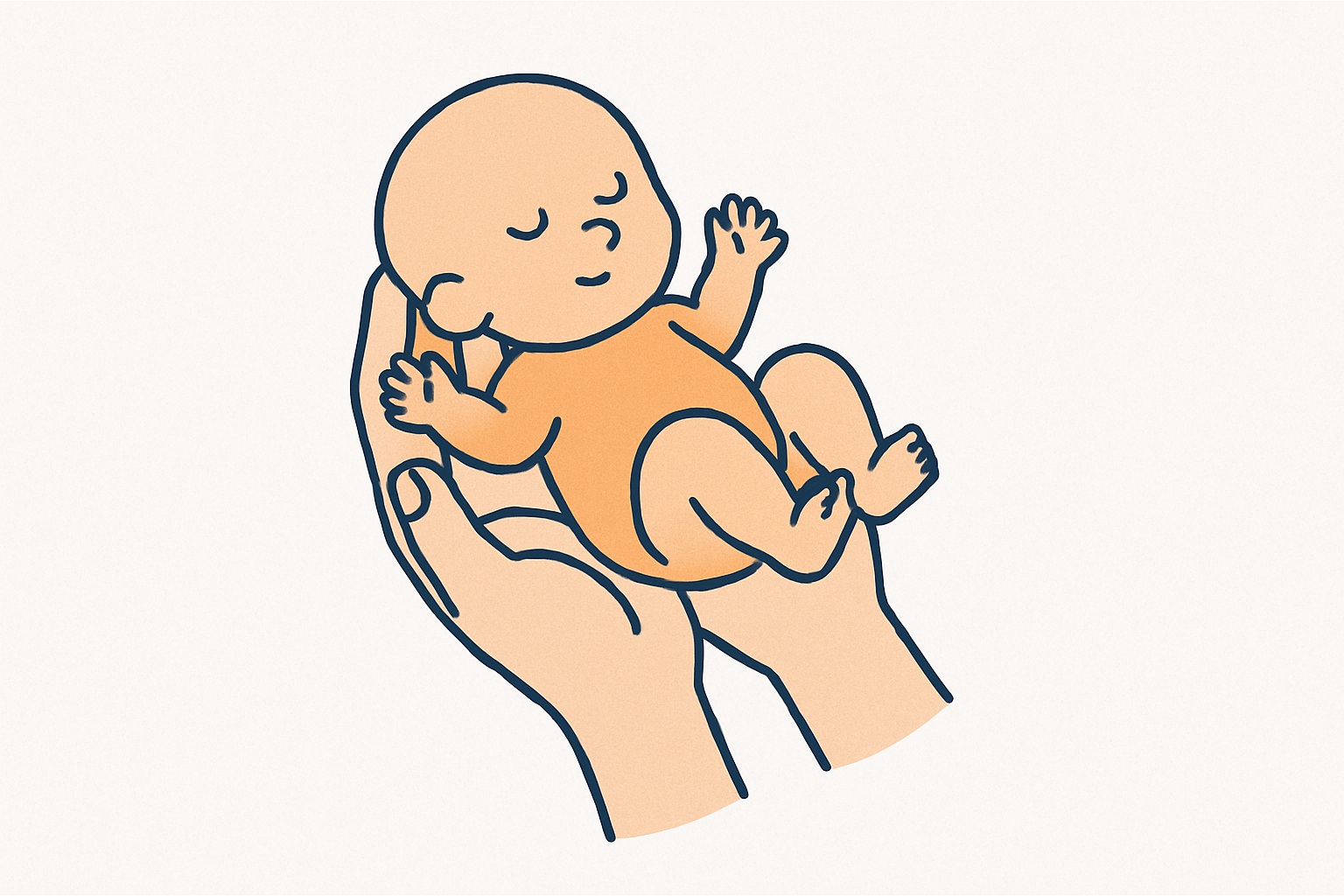
In a world focused on visuals and sounds—baby flashcards, lullabies, and screens—touch is often overlooked. Yet neuroscience confirms that touch is one of the earliest and most powerful senses to develop in infants, with profound impacts on brain architecture, emotional regulation, and physical growth.
Why Touch Matters So Much in Early Development
Touch is the first sense to develop in the womb—by as early as 8 weeks gestation. The entire surface of a newborn’s body is wired with receptors that feed tactile input to the brain. These sensations stimulate key areas like the somatosensory cortex and help shape:
- Neural connectivity and brain growth
- Stress hormone regulation (e.g., cortisol levels)
- Secure attachment and emotional bonding
- Motor development and spatial awareness
Simply put, when a baby is touched gently, consistently, and lovingly, their brain lights up with activity—and those patterns lay the groundwork for future learning and emotional security.
Skin-to-Skin Contact: Nature’s Neuro-Booster
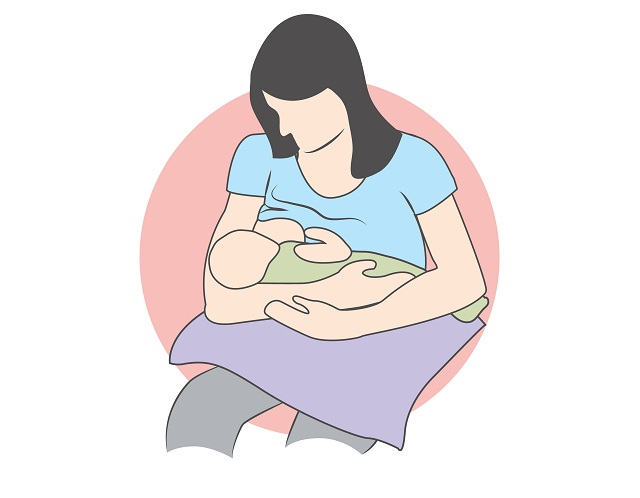
One of the most researched forms of tactile stimulation is skin-to-skin contact (also known as kangaroo care). Studies show that skin-to-skin has numerous short- and long-term benefits, including:
- Stabilized heart rate and temperature
- Improved sleep patterns
- Enhanced breastfeeding success and milk production
- Lower stress levels—for both baby and parent
- Greater brain oxygenation and neurodevelopmental scores in preemies
These effects are thought to be driven by tactile sensory input and the release of oxytocin, often called the “bonding hormone.”
Baby Massage: Ancient Practice, Modern Science
Infant massage has been practiced for centuries across cultures—and science is now catching up. Research indicates that gentle, rhythmic touch can:
- Improve digestion and reduce colic or gas
- Promote better weight gain, especially in premature infants
- Support sleep and circadian rhythm regulation
- Strengthen parent-infant bonding and communication
Regular massage also helps babies become more aware of their bodies—a process known as proprioceptive development, which is key for motor coordination and spatial orientation.
Building Sensory Pathways Through Everyday Touch
Touch doesn't require a formal program. In everyday moments—changing diapers, bath time, cuddling, or gentle stroking—a child’s brain is absorbing sensory information and forming critical pathways. This consistent input is especially important in the first year, when the brain is growing more rapidly than at any other time in life.
Studies also show that neglect or lack of touch can lead to underdevelopment of sensory circuits and emotional dysregulation—underscoring how vital touch truly is.
Supporting Healthy Tactile Development
Here are research-backed ways parents and caregivers can support this crucial sensory system:
- Practice skin-to-skin contact right after birth and frequently in the first months.
- Incorporate daily baby massage using gentle strokes and natural oils.
- Respond to fussing with physical comfort—hugs, rocking, swaddling.
- Use textured materials in supervised play: soft fabrics, gentle brushes, water, or soft toys.
- Avoid excessive confinement in strollers, carriers, or seats that limit movement and sensation.
Conclusion: A Gentle Touch Builds a Strong Foundation
Touch is not a luxury—it’s a biological necessity. It shapes the brain, soothes the nervous system, and anchors babies to the world around them. In the age of high-tech parenting tools, sometimes the most powerful intervention is the simplest one: your hands, your presence, and your love.
It takes a village to raise a child !
Join our Facebook group Preschools & Kindergartens in Hong Kong to interact with other parents.