The power of skin to skin contact

What is Kangaroo Care (skin-to-skin)?
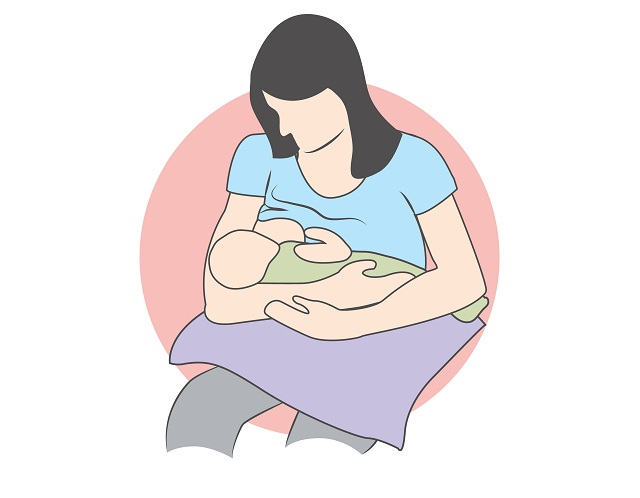
Kangaroo care is a method of care whereby an infant is held skin-to-skin against a caregiver, usually the mother. Ideally, skin-to-skin contact begins at birth and involves placing the naked baby (usually only dressed in a diaper) in prone position on the mother's bare chest, with a blanket across baby's back1.
History of Kangaroo Care
The interest in kangaroo care began in Colombia in 1979 when neonatologists Edgar Rey and Hector Martinez found a shortage in supply of incubators to care for all the premature babies in their hospital. Instead, babies were places on their mothers' chests with a cloth over them to keep them warm2. They found that through the practice of skin-to-skin, mothers were able to breastfeed successfully and also help babies stabilise heart and breathing rates, enabling them to have an earlier discharge3. The doctors then named their technique Kangaroo Mother Method, and subsequently changed the term to Kangaroo Mother Care.
What are the benefits of Kangaroo Care?
The practice of skin-to-skin contact provides physiologic, cognitive and emotional gains for both preterm and at term infants4. Studies on kangaroo care with preterm infants showed that babies are happier, have a more stable temperature, a more stable heart and breathing rate and also a beneficial increase in blood sugar level. Additionally, skin-to-skin contact immediately after birth allows the baby to be colonized by the same bacteria as their mothers, which together with breastfeeding are important in the prevention of allergic diseases5.
Kangaroo care not only benefits the baby, but also has a positive impact on mothers. The soothing contact through kangaroo care was found to relieve pain for both mother and baby6. When continued at home, mothers who practiced kangaroo care were found to exhibit fewer symptoms of stress and depression than those who did not practice the technique. Close contact also enables a mother to be familiar with her infant's needs, and allows for her to be more sensitive towards her baby's needs7.Performing Kangaroo Care immediately after a birth
Ideally, skin-to-skin contact should begin immediately after birth. It is not necessary to have baby cleaned up and weighed before performing kangaroo care-there is plenty of time for that later! Inform your obstetrician of your intention and include this in your birth plan so that nurses are informed of your decision to have skin-to-skin contact with your baby immediately following your birth, should there be no complications or urgent need for medical intervention for mother or baby. If possible, babies should be placed naked on the mother's bare chest for one hour. During this time, breastfeeding should be encouraged. Normally, babies are born with the instinctive skill to search for the breast and should latch without the need for assistance when skin-to-skin.
Kangaroo Care after caesarean births
While most hospitals encourage the practice of skin-to-skin after vaginal births, very few have extended this practice to the operating room following caesarean births. Research on the practice of kangaroo care after caesarean births show that skin-to-skin after a caesarean section helps mothers focus on their new baby, so much so that the perception of pain is often diminished. Mothers' anxiety levels also decreased and they experienced an increased stability of heart rate and blood pressures. Skin-to-skin contact also enabled mothers and babies to keep each other warm, resulting in increased temperature stability for both8.
Skin-to-skin with Fathers
The benefits of kangaroo care extend beyond baby and mother. Fathers who perform skin-to-skin often are more attuned to babies needs and have a better bond with their infants. They are also calmer and more empowered to care for their babies9. Therefore, in the event that the mother is unable to perform skin-toskin following a caesarean birth, fathers can help by taking over with performing kangaroo care with the infant.
Facilitating Kangaroo Care
Performing skin-to-skin is a beautiful experience that calms both mothers and infants-it is so powerful that a genuine concern is that mothers fall asleep while having their infants on their chest! Canadian company Vija Design has made it easier and safer to perform kangaroo care with their unique, patented garments dedicated to facilitating the practice of skin-to-skin with mothers (and fathers) and their infants. A wide variety of tops are available to suit the different needs of parents, from hospital to home use. The most popular choices for mums in Singapore are the halter strap kangaroo tube, and the camisole and cummerbund set, which enables you to go hands free. Dads can bond with baby using the kangaroo t shirt, designed specifically for dads.
Source: 13Thirteen
1 Moore, E. R., Anderson, G. C., & Bergman, N. (2007). Early skin-to-skin contact for mothers and their healthy newborn infants. Cochrane Database Syst Rev, 3(3).
2 Anderson, G. C. (1989). Skin to skin: Kangaroo Care in western Europe. AJN The American Journal of Nursing, 89(5), 662-666.
3 Venancio, S. I., & Almeida, H. D. (2004). Kangaroo Mother Care: scientific evidences and impact on breastfeeding. Jornal de pediatria, 80(5), s173-s180.
4 Ferber, S. G., & Makhoul, I. R. (2004). The effect of skin-to-skin contact (kangaroo care) shortly after birth on the neurobehavioral responses of the term newborn: a randomized, controlled trial. Pediatrics, 113(4), 858-865.
5 Newman, J., & Kernerman, E. (2009). The importance of skin to skin contact. International Breastfeeding Centre.
6 Castral, T. C., Warnock, F., Leite, A. M., Haas, V. J., & Scochi, C. G. (2008). The effects of skin?to?skin contact during acute pain in preterm newborns.European Journal of Pain, 12(4), 464-471.
7 Bigelow, A., Power, M., MacLellan?Peters, J., Alex, M., & McDonald, C. (2012). Effect of Mother/Infant Skin?to?Skin Contact on Postpartum Depressive Symptoms and Maternal Physiological Stress. Journal of Obstetric, Gynecologic, & Neonatal Nursing, 41(3), 369-382.
8Phillips, R. (2013). The sacred hour: Uninterrupted skin-to-skin contact immediately after birth. Newborn and Infant Nursing Reviews, 13(2), 67-72.
9 Bergman, J., & Bergman, N. (2010). Hold Your Prem: A Workbook on Skin-to-skin Contact for Parents of Premature Babies.
It takes a village to raise a child !
Join our Facebook group Preschools & Kindergartens in Hong Kong to interact with other parents.