The Science Behind Sibling Relationships: How Early Bonds Are Formed and Managed
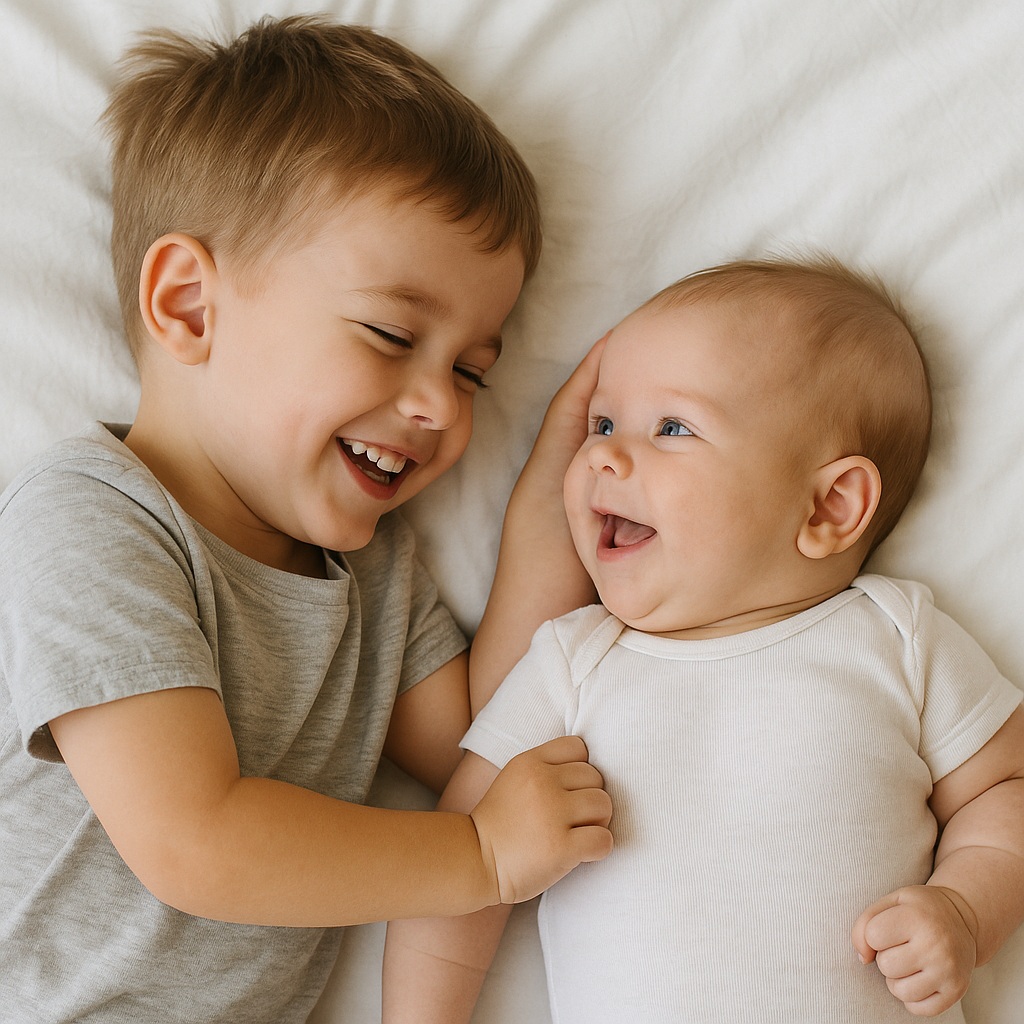
Siblings are often our first friends—and sometimes our fiercest rivals. From shared giggles to heated arguments, sibling relationships form a complex and powerful dynamic that shapes emotional, social, and psychological development. But what does science say about how these bonds are formed, and how parents can guide them in healthy directions?
When Sibling Bonds Begin
Sibling relationships begin early—often before the younger sibling is even born. Studies show that toddlers can recognize and respond to baby siblings shortly after birth, and their interactions grow increasingly complex over time. By preschool age, siblings begin to form social patterns that mimic those found in peer relationships, including cooperation, negotiation, and conflict resolution.
Rivalry and Its Roots
Sibling rivalry is a natural part of growing up with brothers or sisters. It often stems from perceived inequality in parental attention, differing temperaments, or competition for resources like toys or praise. However, rivalry can be both constructive and destructive depending on how it's managed.
What the Research Says:
- Children close in age tend to experience more intense rivalry, but also form deeper emotional bonds over time.
- Parents who model fairness and avoid comparisons reduce long-term resentment between siblings.
- Consistent boundaries and conflict resolution skills help turn rivalries into opportunities for growth.
Modeling Behavior and Role Imitation
Siblings often become each other’s first role models. Older siblings, in particular, play a major role in shaping younger siblings’ behavior, language, and social cues.
- Studies show younger siblings often imitate older ones, especially when they share a strong bond.
- Positive role modeling by older siblings can boost younger siblings’ academic and emotional development.
- Conversely, risky or aggressive behaviors in older siblings may increase similar behaviors in younger ones.
Parents can encourage positive modeling by highlighting helpful, kind actions and discussing the impact of choices on others.
Sibling Relationships and Empathy Development
According to child development experts, sibling interactions—especially in emotionally charged situations—offer daily practice in empathy. Through play, negotiation, and conflict, children learn to understand different perspectives, manage emotions, and repair relationships.
Supporting Empathy Through Sibling Interaction:
- Encourage sharing and cooperative activities (like building something together).
- Coach children through emotional moments using reflective listening (“How do you think your sister felt when that happened?”).
- Promote family routines that emphasize teamwork, like group clean-up or storytelling circles.
Tips for Parents: Fostering Healthy Sibling Bonds
- Avoid comparisons (“Why can’t you be more like your brother?”)
- Celebrate each child’s unique strengths and personality
- Set aside one-on-one time with each child to reduce competition for attention
- Teach conflict resolution instead of constantly intervening
- Encourage sibling teamwork with shared responsibilities and fun projects
Conclusion
Sibling relationships are rich, complex, and deeply influential. Backed by decades of psychological research, we now know that early sibling bonds contribute to everything from emotional intelligence to long-term social success. With mindful guidance, parents can help transform rivalry into resilience, imitation into inspiration, and conflict into compassion.
It takes a village to raise a child !
Join our Facebook group Preschools & Kindergartens in Hong Kong to interact with other parents.