The Role of Attachment in First Year
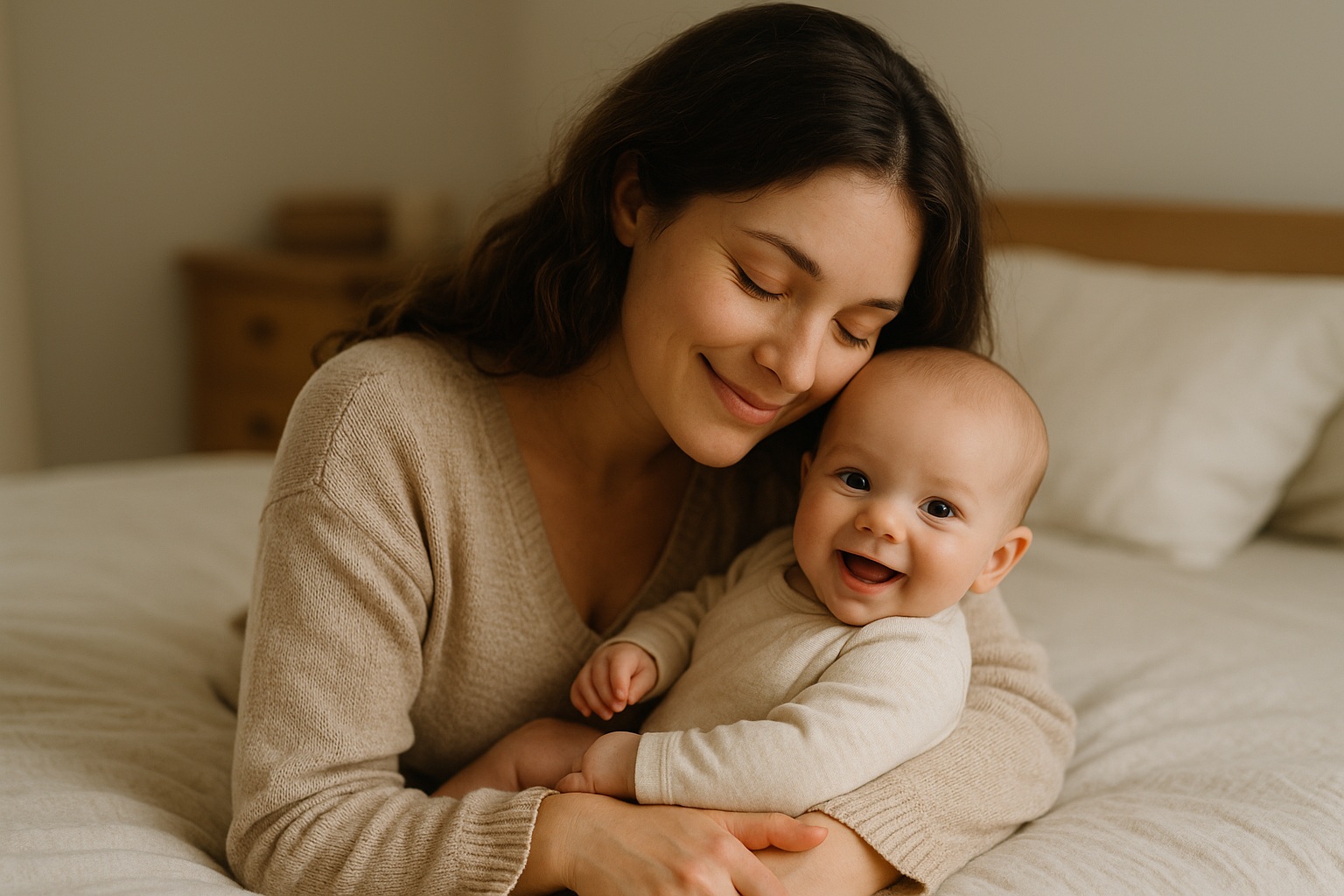
Why Attachment Matters in the First Year
The first year of a baby’s life is a period of rapid brain growth and emotional development. One of the most critical factors influencing this growth is attachment—the emotional bond formed between a child and their primary caregiver. Research shows that secure attachment lays the foundation for emotional regulation, social skills, and resilience later in life.
What Is Secure Attachment?
Secure attachment occurs when a caregiver consistently responds to a baby’s physical and emotional needs with sensitivity and warmth. This builds trust and helps the baby feel safe. Signs of secure attachment include:
- Seeking comfort from the caregiver when distressed
- Showing joy and engagement during play
- Exploring confidently when the caregiver is near
How Attachment Develops Over Time
Attachment is not instant—it develops through thousands of everyday interactions, including:
- Feeding and holding your baby
- Responding to cries with comfort
- Talking, singing, and eye contact
- Being physically and emotionally available
These moments help babies learn that the world is a safe place and that their needs will be met.
What Are the Different Attachment Styles?
According to developmental psychologists, attachment styles can be broadly categorized as:
- Secure: Baby feels safe and soothed by caregiver.
- Insecure-Avoidant: Baby avoids caregiver after separation.
- Insecure-Ambivalent: Baby is clingy but not easily comforted.
- Disorganized: Baby shows confused or fearful behavior.
While only secure attachment is considered ideal, it’s important to know that attachment can improve over time with consistent caregiving.
How to Promote Healthy Attachment
- Hold and cuddle your baby regularly
- Respond to cries with calm and empathy
- Use eye contact, smiles, and gentle words
- Keep routines predictable and soothing
- Practice skin-to-skin contact, especially in early weeks
Common Myths About Attachment
- “Responding too quickly spoils the baby.”
False—prompt responses build trust and emotional security. - “Attachment only happens with the mother.”
Not true—babies can form secure bonds with fathers, grandparents, or other consistent caregivers.
When to Seek Help
If you’re struggling to bond with your baby, or if your baby seems withdrawn or unresponsive, don’t hesitate to talk to a pediatrician or child development specialist. Early support can make a big difference.
Conclusion
The attachment you form with your baby in the first year is not about being perfect—it's about being present, responsive, and loving. These early bonds create a strong emotional foundation that supports lifelong learning, relationships, and wellbeing.
FAQ
Q: Can working parents still build secure attachment?
A: Yes! It’s the quality, not just the quantity, of time that matters. Even short, consistent moments of connection (like bedtime routines or morning cuddles) support attachment.
Q: Is crying bad for attachment?
A: No, crying is how babies communicate. What matters is how caregivers respond. Comforting a baby when they cry teaches them that they’re safe and loved.
Q: Can multiple caregivers affect attachment?
A: Babies can form attachments with more than one caregiver, as long as those relationships are consistent, warm, and responsive.
Sources
- Harvard University Center on the Developing Child. (2020). Serve and Return
- Bowlby, J. (1988). A Secure Base: Parent-Child Attachment and Healthy Human Development
- Ainsworth, M.D.S. et al. (1978). Patterns of Attachment
It takes a village to raise a child !
Join our Facebook group Preschools & Kindergartens in Hong Kong to interact with other parents.