The Impact of Responsive Feeding on Obesity Prevention in Early Childhood
Childhood obesity is a growing global concern, with long-term effects on health and development. While genetics and lifestyle play roles, early feeding practices have a profound influence on a child's relationship with food. One powerful, research-backed approach is responsive feeding—a method that emphasizes tuning into a child’s internal hunger and satiety cues. When practiced consistently, responsive feeding can help set the stage for lifelong healthy eating habits and reduce obesity risk.
What Is Responsive Feeding?
Responsive feeding is a caregiver-led approach where parents or caregivers provide nutritious foods and a structured routine, while allowing the child to decide how much and whether to eat. It is rooted in mutual trust and attunement between child and caregiver.
Core Principles of Responsive Feeding:
- Recognizing and responding appropriately to hunger and fullness cues
- Offering food without pressure, coercion, or reward
- Creating a positive mealtime environment free from distractions
- Supporting autonomy while guiding food choices
Why It Matters: The Link to Obesity Prevention
Studies show that children who are fed responsively are more likely to develop self-regulation in eating—meaning they eat according to internal hunger cues rather than external prompts like portion size or emotion. This ability is protective against overeating and weight gain later in life.
Key Research Findings:
- A 2016 study published in Pediatrics found that responsive feeding in infancy was associated with lower BMI scores at age 2.
- A 2021 longitudinal study from the University of North Carolina linked responsive feeding in the first year of life with reduced obesity risk by preschool age.
- Intervention trials like the INSIGHT study have shown that parents trained in responsive feeding are more likely to have children with healthier weight trajectories.
Hunger and Satiety Cues: What to Look For
Hunger Cues in Babies and Toddlers:
- Rooting or sucking motions
- Opening mouth or reaching for food
- Increased alertness or fussiness before feeding
Satiety Cues in Babies and Toddlers:
- Turning head away from food
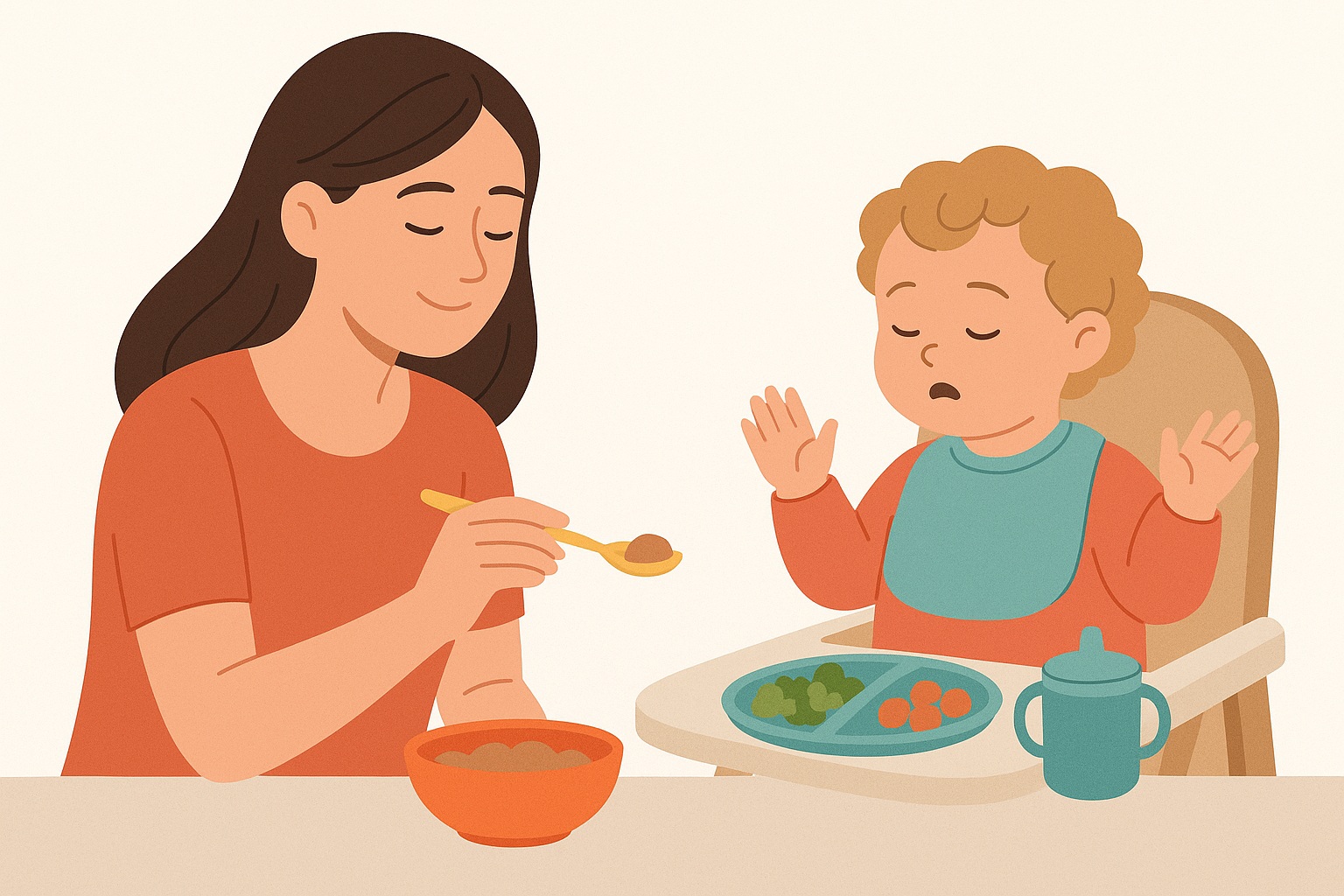
- Closing mouth or pushing food away
- Reduced sucking or chewing speed
- Becoming distracted or fussy during feeding
Respecting these cues teaches children to trust their body’s signals and avoid eating past fullness—a key protective factor against obesity.
How Responsive Feeding Differs from Other Approaches
| Feeding Style | Characteristics | Impact on Weight |
|---|---|---|
| Responsive | Parent provides food; child controls intake; respects cues | Supports healthy self-regulation; lowers obesity risk |
| Controlling/Pressuring | Parent insists child eat certain amounts or types of food | May lead to resistance, overeating, or poor self-regulation |
| Indulgent | Child leads; few boundaries or guidance from parent | Linked to higher intake of unhealthy foods and obesity |
| Neglectful | Minimal involvement; irregular meals and limited interaction | Increased risk of under- or overeating; inconsistent habits |
Long-Term Benefits of Responsive Feeding
Beyond preventing early weight gain, responsive feeding has been linked to:
- Healthier dietary patterns (more fruits, vegetables, fewer sweets)
- Improved emotional regulation around food
- Lower risk of eating disorders in adolescence
- Greater family bonding during meals
Responsive Feeding in Practice
Infancy (0–12 months)
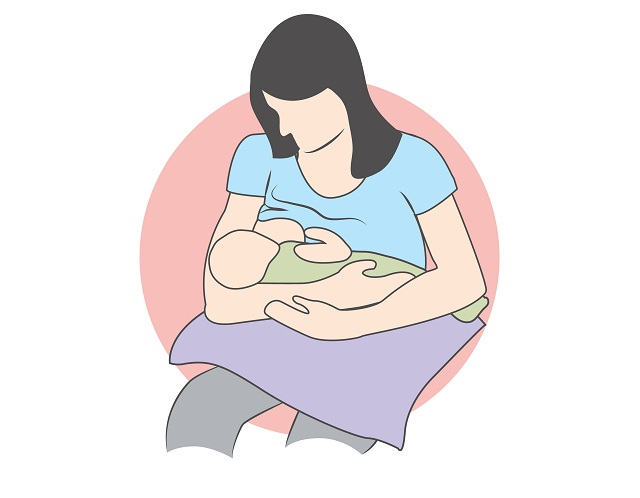
- Breastfeed or bottle-feed on demand rather than on a rigid schedule
- Pause feeding when baby turns away or stops sucking
- Introduce solids based on readiness cues (not just age)
Toddlerhood (1–3 years)
- Offer meals and snacks at regular intervals, but don’t force eating
- Allow toddlers to explore new foods without pressure
- Avoid using food as a reward or punishment
Preschool and Beyond
- Involve children in meal planning and food prep to increase buy-in
- Model balanced eating and portion control
- Encourage but don’t force “just one bite” of new foods
Challenges and Solutions
“What if my child only wants snacks or sweets?”
Offer balanced choices without moralizing food. Present vegetables and fruits with the same excitement as treats, and avoid using sweets as a bribe.
“My toddler skips meals sometimes—should I worry?”
It's normal for appetite to vary. Trust your child’s cues and avoid making skipped meals a power struggle. Focus on overall nutrition over days, not single meals.
“How do I avoid overfeeding with bottles or purees?”
Pause frequently during feeding to check if your baby is still interested. Look for satiety cues before encouraging “one more bite.”
Conclusion
Responsive feeding is more than a mealtime method—it's a foundation for lifelong health. By respecting hunger and fullness cues, caregivers empower children to build trust in their own bodies, develop balanced eating patterns, and reduce the risk of obesity. With consistent practice, this approach turns daily meals into opportunities for connection, learning, and growth.
FAQs
- Can I still use responsive feeding if my child is a picky eater?
- Yes. Offer a variety of foods without pressure. Repeated exposure in a relaxed environment often leads to acceptance.
- Is responsive feeding compatible with baby-led weaning?
- Absolutely. Baby-led weaning is inherently responsive, allowing babies to explore food at their own pace.
- How do I respond when my child says they’re not hungry?
- Respect the cue, but remind them when the next meal or snack will be. Avoid coaxing or bargaining.
- What if grandparents or caregivers use pressure to feed?
- Share the benefits of responsive feeding and offer gentle suggestions. Consistency is key, but perfection isn’t necessary.
- Does responsive feeding apply to children with medical conditions?
- In cases involving medical issues, consult a pediatrician or feeding therapist for adapted guidance that incorporates responsive principles.
It takes a village to raise a child !
Join our Facebook group Preschools & Kindergartens in Hong Kong to interact with other parents.