Postnatal care of the mother

The purpose of confinement care is to nurture the mother's body back to original health condition before pregnancy. It usually lasts for about 6 weeks and it is an important period. The mother should be well taken care of to prevent sickness or stress such as postnatal blues and hair loss.
1. Follow doctor's and nurse's instructions
Remember to take the medicines as instructed by the doctor or nurse. Some of the medicine may help you to ease the sore muscles or vaginal soreness which are common after childbirth.
2. Breast engorgement
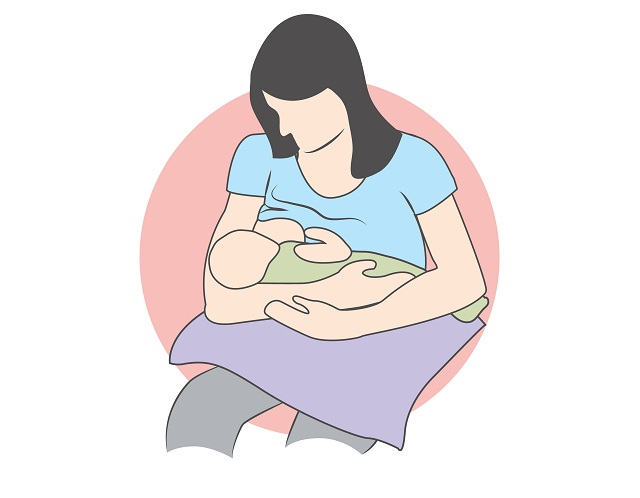
Breast engorgement occurs when your milk first “comes in”(right after birth, your body is producing colostrum which is full of nutrients that nurse and protect the baby) This usually occur in day 2 to 5 after birth delivery. Almost all women will experience breast fullness during this period. Fullness feeling is usually accompanied by a feeling of heaviness and warmth. This can cause discomfort and swelling. Placing ice packs on your breasts, taking a hot shower, or using warm compresses may ease the discomfort.
3. Use pads instead of tampons
Use pad for the bloody flow (lochia) that may last as long as 2 weeks. Using tampon may cause infection and therefore should be avoided.
4. Ease constipation
It is common for new mothers to experience constipation. You can prevent this by drinking lots of fluid and eating high-fiber foods. You may refer to postpartum constipation for more details on this.
5. Bathing or brushing is in fact necessary
After delivery, the new mother will sweat easily. At the same time, there will be secretion of milk from the breast and there is also lochia discharged from the vagina. All these can make mother's body sticky and smelly. Bathing or brushing your body with warm water is in fact fine. What you need to avoid is the seepage of water into your vagina.
6. Brushing teeth
Teeth brushing is very important although your traditional mother may want to stop you from doing it, again. During confinement care, the mother will consume lots of high-sugar, high-fat or high-protein food, the residue in the mouth will become acid under the influence of the bacteria in the mouth, these can then trigger teeth decay and periodontal.
7. No direct wind blowing
It is important to keep the room ventilated by using air-conditioners, fan or by opening the window. However, wind should not be directed towards the new mother who is still very weak and can catch cold easily.
8. Healthy and balanced meal.
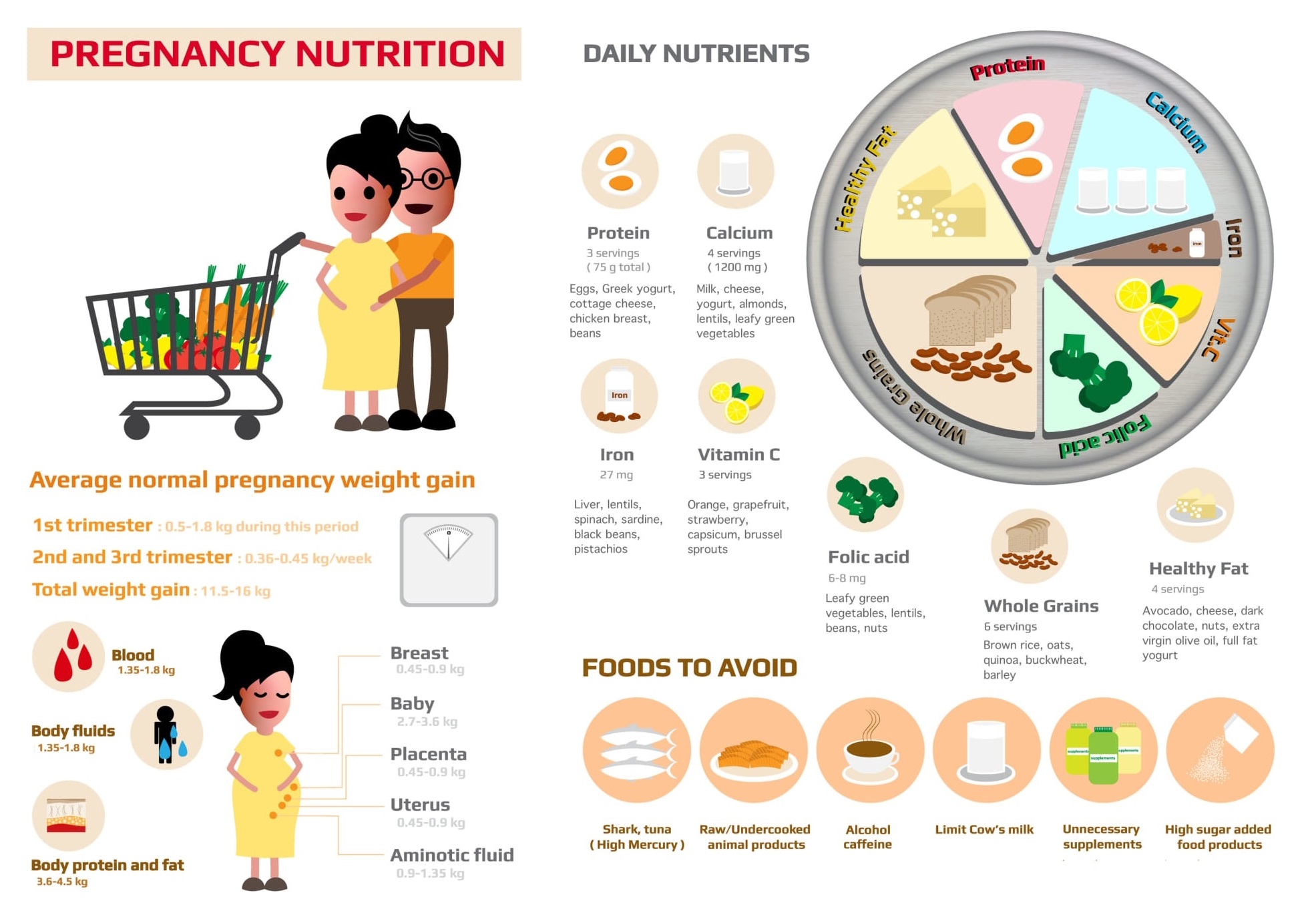
In the first few days after delivery, the mother should avoid oily or greasy food, and should eat more food that can be easily digested such as porridge and soup. Afterwards, mothers should eat high-protein and vitamin-rich food such as egg, meat, chicken, bean, milk, fresh vegetable, and fruit. This is to ensure that the health of the mother and at the same time to make sure mother's body can secrete sufficient milk to feed the baby.
9. Exercise and house chore.
During the confinement period, the mother should avoid any heavy duty, do not carry or move things that are too heavy so as not to cause uterine prolapse. You can move about 24 hours after vaginal delivery.
10. Personal hygiene.
Strictly follow the instruction of the nurse and doctor to clean your vulva area. Make sure vulva area is clean after toilet to prevent any contamination. It is normal for the mother to sweat, but remember to change your clothes when necessary. Bathing is fine, but you need to ensure no water will flow into the vagina to cause infection.
11. Breast Care.
Mother should also use warm water to wash nipple and breast regularly.
It takes a village to raise a child !
Join our Facebook group Preschools & Kindergartens in Hong Kong to interact with other parents.