New Breast Pump Cleaning Guideline
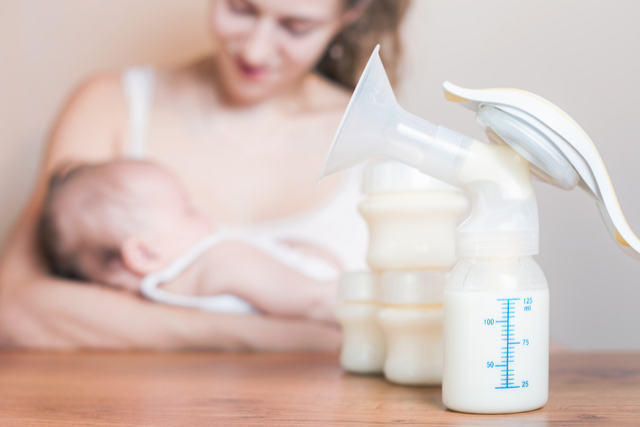
On 28th July 2017, the Centers For Diseases Control and Prevention (CDC) in the United States released a guide on how to keep breast pumps clean. The guideline was released as CDC found that existing resources were not very detailed or based on the latest available science.
A week ago before releasing the new guideline, CDC published an investigation report about the death of a premature infant caused by an infection associated with contaminated expressed human milk. Thus, it is important for mothers to clean their breast pumps properly before use so as to safeguard the health of their baby.
We have extracted the important details from the new guideline. You can see the detailed guideline here: CDC Guideline on Keeping Your Breast Pump Kit Clean.
Before you use the breast pump:
Wash hands with soap and water for 20 seconds before using the breast pump.
You should also inspect the pump kit while you assemble it. Ensure that you replace any moldy tubing.
After every use:
- Place pump parts in a clean wash basin used only for infant feeding items. Add soap and hot water to the basin.
- Rinse breast pump parts under running water to remove the remaining milk. Do not place breast pump parts in the sink to rinse to avoid contacting germs.
- Scrub items using a clean brush that is only used to clean infant feeding items.
- Allow to air-dry thoroughly. Place pump parts, wash basin, and bottle brush on a clean, unused dish towel or paper towel in an area protected from dirt and dust.
- Do not use a dish towel to rub or pat items dry as the dish towel may harbor germs.
- Remember to clean the dials, power switch, and countertop with disinfectant wipes.
Sanitization as an extra protection
For extra germ removal, CDC recommends sanitizing the breast pump daily for the following groups of babies:
- Babies who are less than 3 months old
- Babies who were born prematurely
- Babies who have a weakened immune system due to illness or medical treatment such as chemotherapy
Daily sanitizing of the breast pump is not necessary for other groups of healthy and older babies.
The pump parts, bottle brushes, and wash basins should be sanitized only after they have been cleaned.
Sanitize the pump kit, bottle brushes and wash basins using microwave, plug-in steam system or by placing them in boiling water. Remember to check your breast pump manual for instructions on sanitization.
If you put your breast pump in boiling water, remove them with clean tongs after 5 minutes. Make sure that the parts are safe to boil.
Allow the breast pump parts to air-dry thoroughly in an area protected from dirt and dust. Do not use the dish towel to rub or pat.
Store the breast pump safely
If you intend to keep your breast pump for use later on, you should ensure that the clean pump parts, bottle brushes, and wash basins have air-dried thoroughly before storing. Germs and mold will grow if there is moisture left on the pump parts.
Store the dry items in a clean and protected area that is free from dust.
It takes a village to raise a child !
Join our Facebook group Preschools & Kindergartens in Hong Kong to interact with other parents.