Jaundice in Newborn
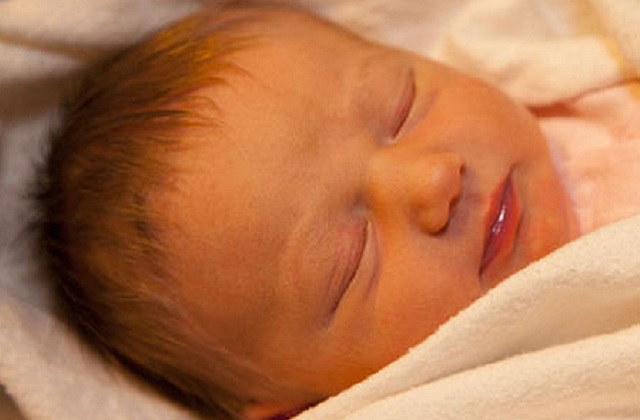
What is Jaundice?
Infant jaundice is a yellowish pigmentation of the skin and whites of the eyes due to high bilirubin levels in the bloodstream.
Infant jaundice is very common among newborns. It occurs because newborn's blood contains an excess level of bilirubin which a yellow-colored pigment of red blood cells.
Infant jaundice usually occurs between the second and fourth day after birth.
Symptoms of Jaundice
Symptoms of jaundice are the yellowing of the skin and the whites of the eyes.
To check whether your baby experiences jaundice, you can simply see your baby in a good lighting condition and gently press his or her forehead or nose. If the skin looks yellow where you press it, it is likely that your baby has mild jaundice. If your baby does not have jaundice, the skin color should simply look slightly lighter than its normal color for a moment.
Type of jaundice and cause of jaundice
1. Physiological (normal) jaundice
When the old red blood cells break down, bilirubin will be released. Before birth delivery, mother’s liver will help to remove excess bilirubin in the bloodstream. After birth, a newborn's immature liver often cannot quickly remove the bilirubin released, this causes excess bilirubin to build up.
In medical field, this type of jaundice due to these normal newborn conditions is called physiologic jaundice, and it typically appears on the second or third day of life and disappear by 1 week or 2 week of age.
2. Breastfeeding jaundice
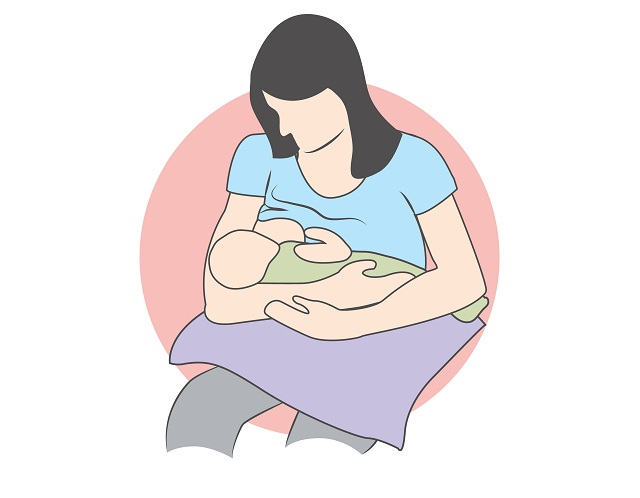
If a breastfeeding baby does not get enough breast milk from mother due to difficulty with breastfeeding or mother is not producing enough breast milk, jaundice may appear.
Not enough breast milk is the cause of this type of jaundice.
3. Breast milk jaundice
This type of jaundice is rare and it happens to only about 1% of nursing babies. It occurs as substance in the breast milk cause the bilirubin level in the bloodstream to rise. These substance can prevent the excretion of bilirubin through the intestines.
4. Blood group incompatibility
If a mother and baby have different blood types, the mother's body might produce antibodies that destroy the infant's red blood cells. This releases a lot of bilirubin in the baby's blood. Incompatibility jaundice can begin as early as the first day of life. Hence it is important for parents to observe the conditions of the newborn immediately after birth to understand the exact cause of jaundice.
5. Other causes of jaundice
Other conditions that can cause jaundice include Internal bleeding, a liver malfunction, an enzyme deficiency or an abnormality of your baby's red blood cells that causes the red blood cells to break down.
When to see doctor
Most cases of newborn jaundice does not require any treatment. Mild or moderate jaundice will go away after 1 or 2 weeks as the baby's liver becomes able to get rid of the excess bilirubin on its own.
For high levels of bilirubin, doctor may use phototherapy, a method that use a special light that can help to get rid of the bilirubin.
In the following situations, a doctor’s help may be needed:
1. Jaundice appears within 24 hours after birth.
2. The jaundice is spreading or yellow color becomes darker or more intense.
3. Your baby is not feeding well or breastfeeding is not successful.
4. Your baby seems listless or sick or is difficult to awaken
5. Jaundice lasts more than three weeks.
6. Fever of 37.8 degree celcius.
What to do at home
More frequent feedings of breast milk or supplementing with formula milk can help infants to pass the bilirubin in their stools faster.
According to KK Women and Children Hospital, putting baby under the sunlight is not recommended as it does not remove the bilirubin effectively.
It takes a village to raise a child !
Join our Facebook group Preschools & Kindergartens in Hong Kong to interact with other parents.