Infant Oral Health: When to Start and Why It Matters
Evidence-based infant care
Infant Oral Health: When to Start and Why It Matters
Caries (tooth decay) is the most common chronic disease of childhood—but it’s preventable. The keys are starting mouth care early, establishing a “dental home” by the first birthday, using fluoride correctly, and avoiding habits that bathe teeth in sugar—especially at bedtime.
Quick Start
From birth
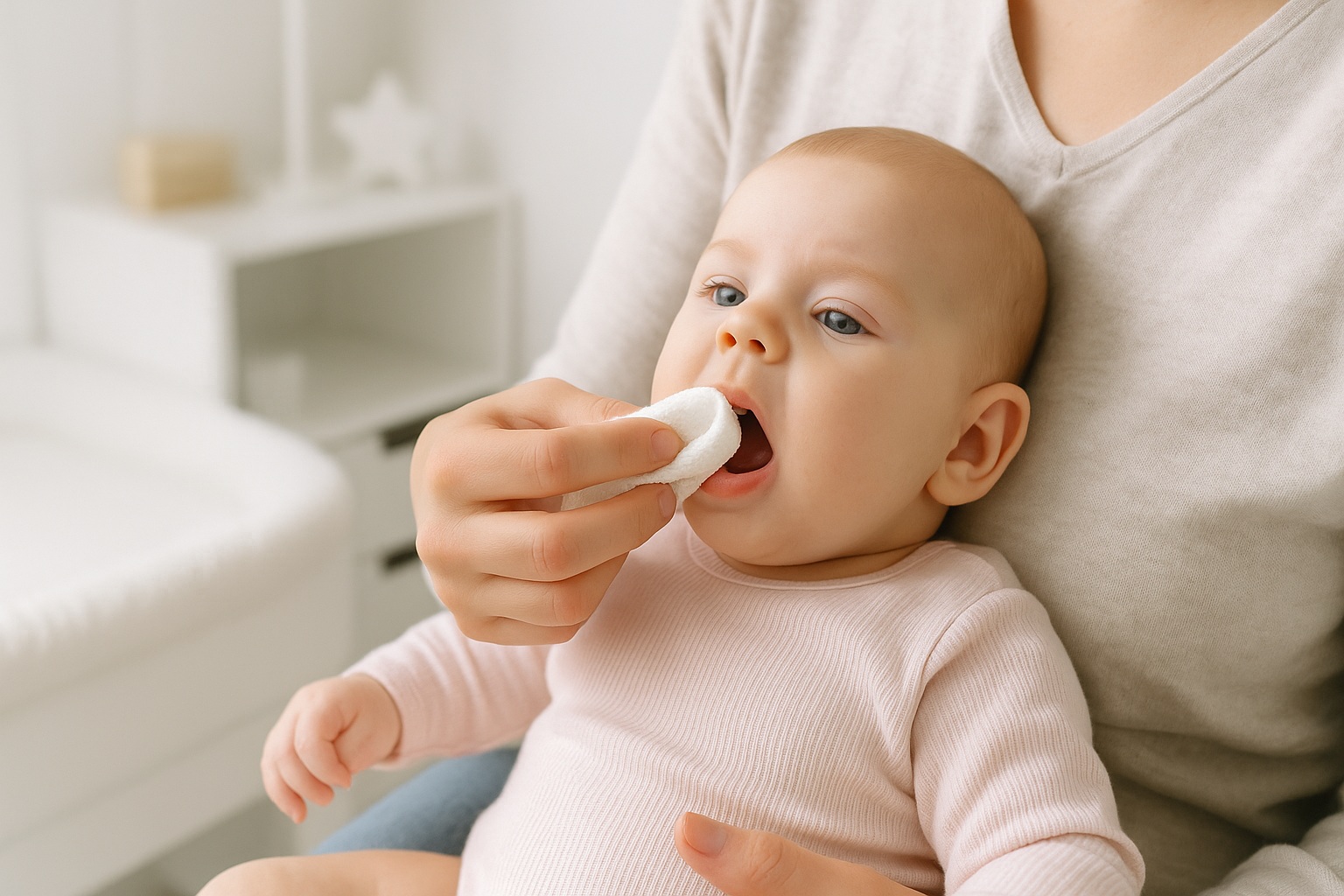
- Wipe gums daily with a soft, clean cloth or infant brush to get baby used to oral care. :contentReference[oaicite:0]{index=0}
- Don’t share spoons or clean pacifiers with your mouth; saliva can transmit cavity-causing bacteria. :contentReference[oaicite:1]{index=1}
First tooth to age 3
- Brush twice daily with a smear (grain-of-rice amount) of fluoride toothpaste. :contentReference[oaicite:2]{index=2}
- Ask your pediatrician/dentist about fluoride varnish once teeth erupt. :contentReference[oaicite:3]{index=3}
Age 3–6
- Use a pea-sized amount of fluoride toothpaste; teach spitting (no need to rinse). :contentReference[oaicite:4]{index=4}
- Begin flossing wherever two teeth touch. :contentReference[oaicite:5]{index=5}
Why start so early?
Early visits and prevention save families time, money, and procedures. The American Academy of Pediatric Dentistry (AAPD) recommends the first dental visit by the first birthday—or within six months of the first tooth—to create a “dental home,” deliver risk assessment, and coach parents. Studies show earlier visits lower future dental costs and disease. :contentReference[oaicite:6]{index=6}
How to clean gums and teeth
- Before teeth: once a day, gently wipe the gums with a clean, damp cloth or infant toothbrush. This conditions your baby to accept brushing later. :contentReference[oaicite:7]{index=7}
- When the first tooth erupts: brush twice daily with a smear (about a grain of rice) of fluoride toothpaste; continue supervised brushing through the preschool years. :contentReference[oaicite:8]{index=8}
- From age 3: increase to a pea-sized amount of fluoride toothpaste; encourage spitting without rinsing to keep fluoride on the teeth. :contentReference[oaicite:9]{index=9}
- Fluoride varnish: primary-care clinicians and dentists should apply varnish to all children after tooth eruption; consider every 3–6 months based on risk. :contentReference[oaicite:10]{index=10}
- Flossing: begin as soon as two teeth touch; most kids need help until about age 10. :contentReference[oaicite:11]{index=11}
Preventing “bottle tooth decay” (Early Childhood Caries)
Early Childhood Caries (ECC) often stems from frequent sugar exposure and prolonged contact of liquids with teeth—especially during sleep. Here’s what helps most:
- No bottle in bed. Putting a baby to sleep with milk or formula lets liquid pool around teeth and fuels decay; if a bottle is required, use only water. :contentReference[oaicite:12]{index=12}
- Wean off the bottle. Plan to transition to a cup around 12–15 months; avoid continuous access to bottles or cups with sugary liquids. :contentReference[oaicite:13]{index=13}
- No juice before 12 months. The AAP recommends zero fruit juice in the first year; after that, serve small, age-limited amounts in a cup (not a bottle). :contentReference[oaicite:14]{index=14}
- Limit sugars and sticky snacks. Offer water between meals; keep sweet drinks for meals only (if at all). :contentReference[oaicite:15]{index=15}
- Reduce bacteria transfer. Avoid sharing utensils or cleaning pacifiers with your mouth to limit transmission of cariogenic bacteria. :contentReference[oaicite:16]{index=16}
Good to know: Breastmilk and formula both contain natural sugars. Frequent overnight feeding after teeth erupt—especially if teeth aren’t cleaned—can raise caries risk. Ask your dentist for personalized guidance that balances feeding goals with oral health. :contentReference[oaicite:17]{index=17}
What happens at the first dental visit?
Your dentist will examine your child’s mouth, assess caries risk, review feeding and brushing, ensure appropriate fluoride exposure (including varnish), and plan recall intervals. Establishing a dental home by age one sets up preventive care—and is linked with lower costs and fewer interventions later. :contentReference[oaicite:18]{index=18}
When to seek help
- White or brown spots on teeth, bleeding gums, or mouth pain.
- Tooth injuries, lip ties/tongue ties affecting feeding (for evaluation), or significant feeding to sleep with bottles you’re struggling to stop.
- If you don’t have community water fluoridation—ask your clinician about oral fluoride supplements from 6 months of age. :contentReference[oaicite:19]{index=19}
References (selected)
- AAPD. Dental Home & Age-1 visit guidance. :contentReference[oaicite:20]{index=20}
- AAPD. Early dental visits & cost savings tech brief. :contentReference[oaicite:21]{index=21}
- HealthyChildren.org (AAP). Fluoride toothpaste amounts & timing; varnish cadence. :contentReference[oaicite:22]{index=22}
- AAP & USPSTF. Fluoride varnish and oral fluoride supplementation recommendations. :contentReference[oaicite:23]{index=23}
- CDC. “About Feeding From a Bottle”—no bottles in bed. :contentReference[oaicite:24]{index=24}
- AAP policy statement. No fruit juice before age 1. :contentReference[oaicite:25]{index=25}
- AAPD Fast Facts. Clean gums before teeth erupt. :contentReference[oaicite:26]{index=26}
- AAP Oral Health Risk Assessment—avoid sharing utensils to limit bacterial transfer. :contentReference[oaicite:27]{index=27}
- AAPD Policy on ECC—brush with fluoride, wean bottle 12–18 months. :contentReference[oaicite:28]{index=28}
It takes a village to raise a child !
Join our Facebook group Preschools & Kindergartens in Hong Kong to interact with other parents.