How to Take Care of Your Premature Baby

1. Understanding Premature Birth
A premature baby (preemie) is born before 37 weeks of pregnancy. These babies may need special care due to underdeveloped organs and lower birth weight. They are at higher risk of complications such as breathing difficulties, feeding challenges, and infections.
2. NICU Care
Many premature babies spend time in the Neonatal Intensive Care Unit (NICU). During this period:
- Monitor their breathing, oxygen levels, and heart rate closely.
- Ensure they receive necessary medical support, including ventilators or feeding tubes if needed.
- Practice skin-to-skin contact (kangaroo care) to promote bonding, warmth, and improve heart rate stability.
- Understand the different equipment used in the NICU, such as incubators and IV lines.
3. Feeding a Premature Baby
Premature babies may have immature digestive systems. Feeding options include:
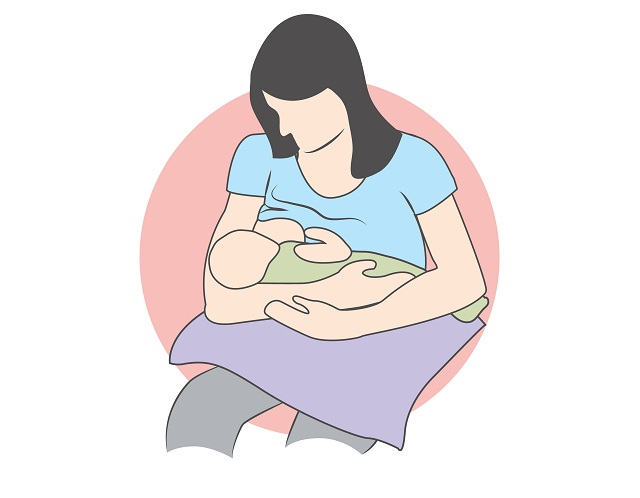
- Breast milk (through a feeding tube if necessary) is highly recommended for its immune-boosting benefits.
- Formula for preemies if breast milk is unavailable or supplementing is needed.
- Frequent small feedings to aid digestion and prevent reflux.
- Monitoring weight gain and adjusting feeding schedules as advised by a pediatrician.
4. Keeping Your Baby Warm
Preemies cannot regulate their body temperature well, so warmth is crucial. To keep them warm:
- Maintain a warm, draft-free room temperature between 24-26°C (75-78°F).
- Dress them in soft, layered clothing and use a soft blanket.
- Use incubators or warming beds as needed in the NICU.
5. Monitoring Growth and Development
Premature babies may take longer to reach developmental milestones. Important areas to monitor include:
- Consistent weight gain and physical growth.
- Motor skills like lifting the head, rolling over, and sitting up.
- Hearing and vision development, as preemies may be at risk for impairments.
- Regular pediatric check-ups to assess overall progress.
6. Preventing Infections
Preemies have weaker immune systems and require extra protection. To prevent infections:
- Wash hands thoroughly before handling your baby.
- Avoid crowded places, visitors with colds, and sick individuals.
- Ensure timely vaccinations to protect against common illnesses.
- Keep their environment clean and sterilize feeding bottles and pacifiers.
7. Helping Your Baby Sleep
Premature babies may have irregular sleep patterns and need extra support for quality sleep. To encourage better sleep:
- Keep a quiet, dimly lit, and calm environment.
- Swaddle them gently to provide a sense of security.
- Follow a consistent bedtime routine with gentle rocking or lullabies.
- Place them on their backs to sleep to reduce the risk of Sudden Infant Death Syndrome (SIDS).
8. Adjusting to Life at Home
Bringing a premature baby home requires careful planning and monitoring. Consider the following:
- Schedule regular pediatric visits for monitoring and early intervention if needed.
- Understand the adjusted age of the baby when tracking developmental milestones.
- Seek emotional support from family, healthcare professionals, or preemie support groups.
Final Thoughts
Caring for a premature baby requires patience, love, and close monitoring. Every milestone is a victory, and with proper care, most preemies grow up to be healthy children.
It takes a village to raise a child !
Join our Facebook group Preschools & Kindergartens in Hong Kong to interact with other parents.