How to Prepare Formula For Bottle Feeding at Home
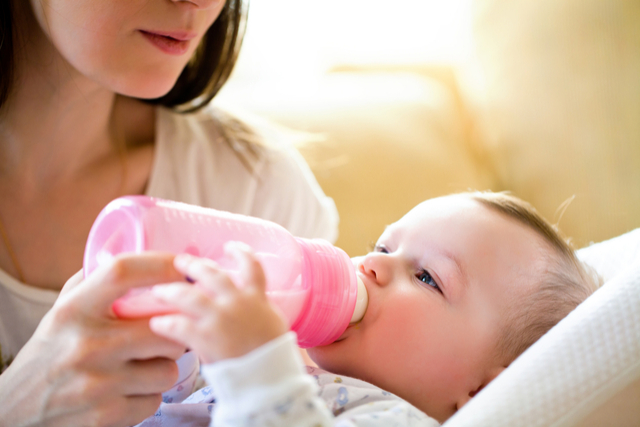
Powdered infant formula is not sterile. It may contain bacteria that can cause serious illness in infants. By preparing and storing powdered infant formula correctly, you can reduce the risk of illness.
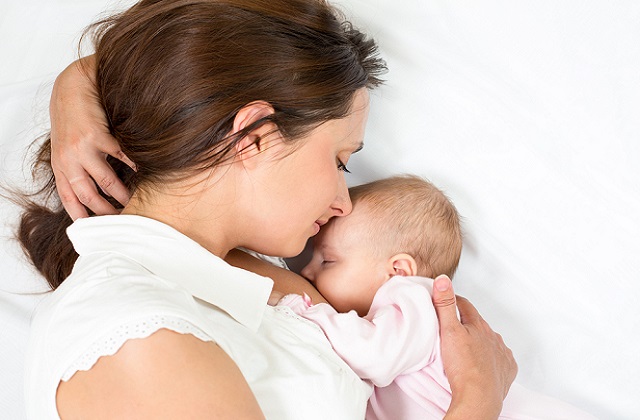
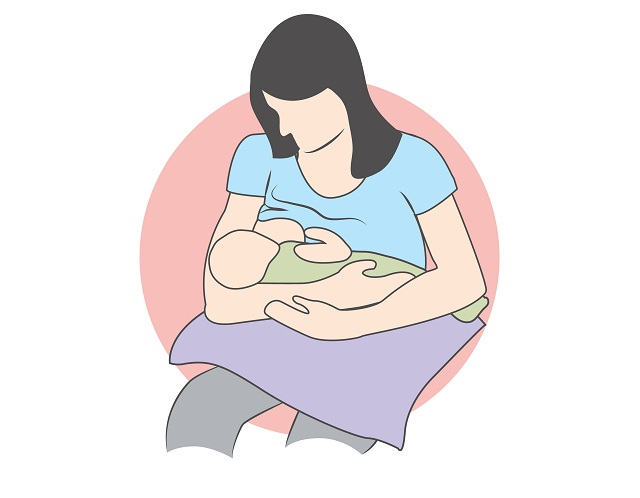
Breast is best
The World Health Organization (WHO) recommends that infants are exclusively breastfed for the first six months of life. Babies who are exclusively breastfed will get the best start for growth, development and health. Infants who are not breast fed need a suitable breast-milk substitute, for example, infant formula.
Cleaning
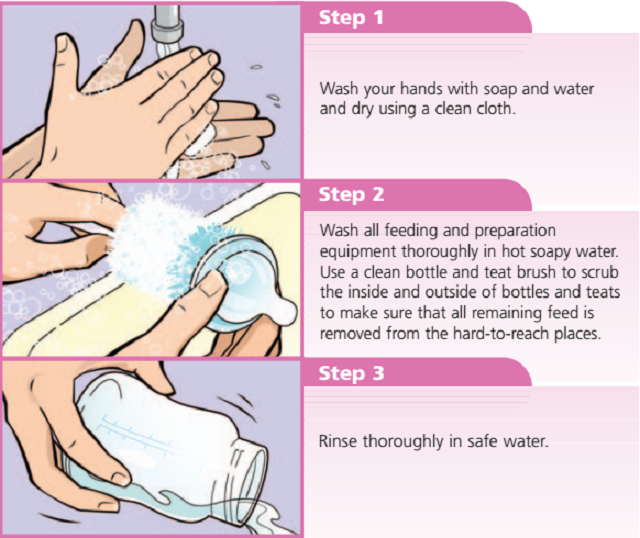
It is very important that all the equipment used to feed and to prepare feeds for infants (for example, bottles, teats, lids) has been thoroughly cleaned and sterilized before use. Cleaning and sterilizing equipment removes harmful bacteria that could grow in the feed and make infants ill.
Sterlizing
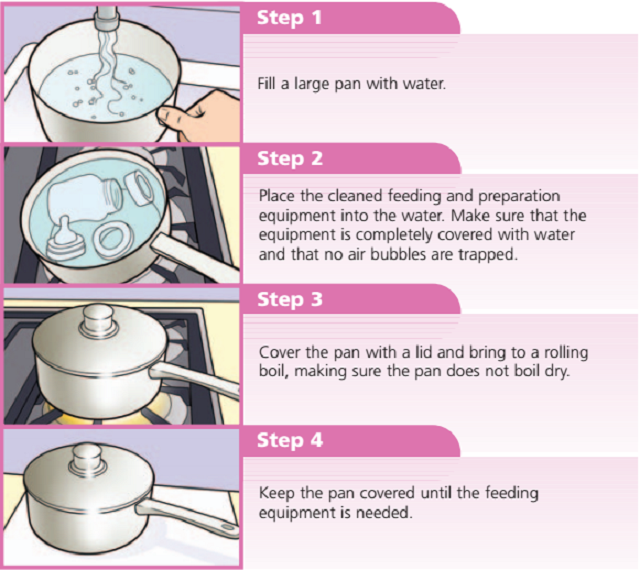
Cleaned equipment can be sterilized using a commercial sterilizer (follow manufacturer's instructions), or a pan and boiling water:
Storing
Wash and dry your hands before handling sterilized equipment. It is recommended that you use sterilized forceps for handling sterilized equipment. If you remove feeding and preparation equipment from the sterilizer before you need it, keep it covered in a clean place. Fully assemble feeding bottles if you remove them from the sterilizer before you need them. This prevents the inside of the bottle, and the inside and outside of the teat becoming contaminated again.
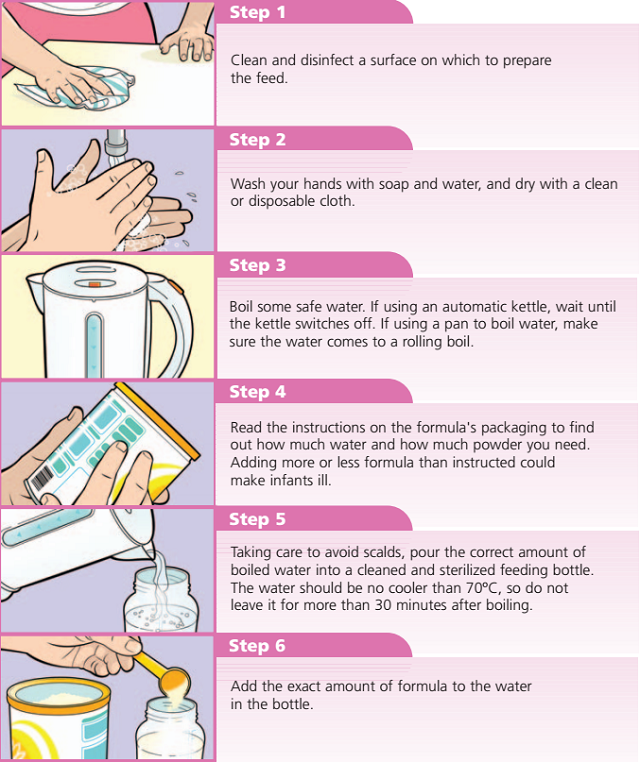
How to prepare a bottle feed
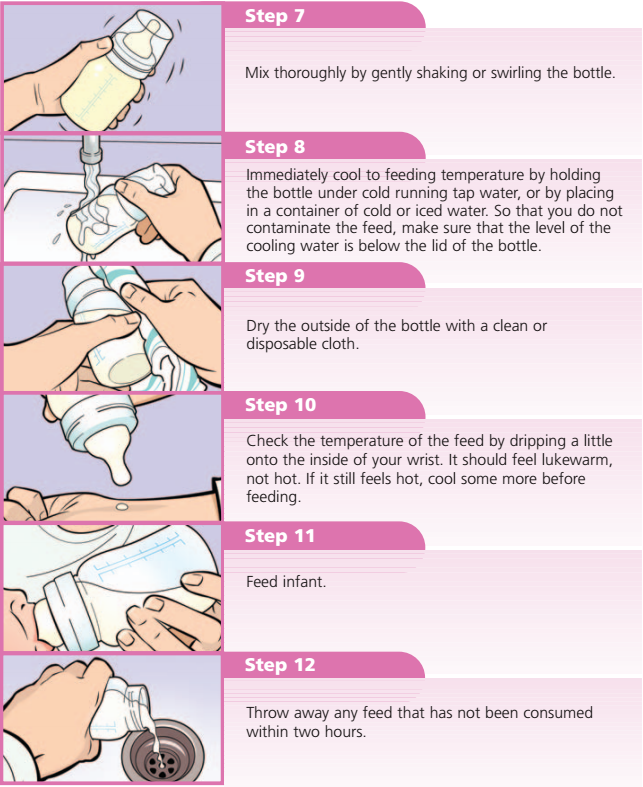
Frequently Asked Questions About Bottle Feed
Question 1:Can I store bottle feeds to use later?
t is safest to prepare a fresh feed each time one is needed, and to consume immediately. This is because prepared feeds provide ideal conditions for bacteria to grow - especially when kept at room temperature. If you need to prepare feeds in advance for use later, they should be prepared in individual bottles, cooled quickly and placed in the refrigerator (no higher than 5ºC). Throw away any refrigerated feed that has not been used within 24 hours.
Warning: If you do not have a refrigerator it is not safe to prepare feeds in advance - always prepare a fresh feed as it is needed.
Question 2: How do I re-warm refrigerated bottle feeds?
- Remove a bottle of feed from the refrigerator just before it is needed.
- Re-warm for no more than 15 minutes. Feeds can be re-warmed by placing in a container of warm water, making sure the level of the water is below the top of the cup. Occasionally shake or swirl the bottle to make sure that it heats evenly.
- Check the temperature of the feed by dripping a little onto the inside of your wrist. It should feel lukewarm, not hot.
- Throw away any re-warmed feed that has not been consumed within two hours.
Question 3: Can I bring pre-prepared feeds with me when I am travelling?
Yes - but make sure the feed is cold before it is transported, and is kept cold during transport. This will slow down or stop the growth of harmful bacteria.
- Prepare feeds as normal, cool quickly and place in the refrigerator (no warmer than 5ºC).
- Immediately before you leave home, remove the cold feeds from the refrigerator and place in a cool bag with ice packs.
- You can then place the feeds in a refrigerator at your destination, or re-warm a feed when you need one.
If your trip is longer than two hours, you may not be able to keep the pre-prepared feeds cold. In this case, you should prepare feeds as you need them. Bring individual portions of powdered formula with you in a cleaned and sterilized container, and prepare feeds as normal using boiled water that has been cooled to no less than 70ºC.
Question 4: What if I do not have access to boiling water?
The safest way to prepare a feed is using water that has been boiled and cooled to no less than 70ºC.
- If you do not have access to boiling water, you may wish to use sterile liquid infant formula.
- Alternatively, you can prepare feeds using fresh, safe water at room temperature and consume immediately.
- Feeds prepared with water cooler than 70ºC should not be stored for use later.
- Throw away any left-over feed after two hours.
Source: WHO Food Safety
It takes a village to raise a child !
Join our Facebook group Preschools & Kindergartens in Hong Kong to interact with other parents.