How to Establish a Sleep Routine for Your Baby

Creating a healthy sleep routine early in life sets the stage for better sleep habits, emotional regulation, and overall development. While every baby is different, most infants thrive on predictability. Here's how to gently and effectively establish a sleep routine from birth to 12 months—based on expert advice and scientific research.
Why a Sleep Routine Matters
- Supports healthy brain development: Deep sleep consolidates memory and learning in infants.
- Improves emotional regulation: Babies who sleep well tend to cry less and are more settled.
- Reduces parental stress: Predictable sleep helps caregivers plan rest and bonding time.
When to Start a Routine
Newborns (0–6 weeks) do not yet have a circadian rhythm. Sleep happens in short cycles and is influenced by hunger. However, you can lay the foundation of a routine by around 6–8 weeks.
Key Components of a Sleep Routine
1. Consistent Sleep and Wake Times
- Put baby to bed at the same time each night (±30 minutes)
- Wake baby at a consistent time in the morning to regulate their body clock
2. Predictable Bedtime Sequence
Choose 3–5 simple steps and repeat them every night:
- Bath or wipe down
- Change into pyjamas
- Dim the lights
- Read or sing a lullaby
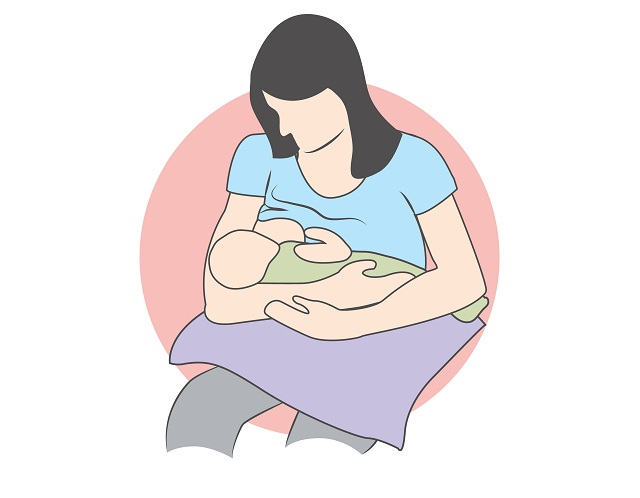
- Cuddle or breastfeed/bottle feed
3. Encourage Day-Night Differentiation
- Expose baby to natural light during the day
- Keep naps short (especially late afternoon ones)
- At night, keep interactions calm, lights dim, and avoid stimulating play
4. Create a Sleep-Friendly Environment
- Use blackout curtains to block light
- Maintain a comfortable room temperature (22–24°C)
- Use white noise to reduce background distractions
- Use a firm, flat surface for sleep (as per AAP Safe Sleep Guidelines)
5. Practice Drowsy but Awake
From around 2–3 months, try placing your baby down when they are sleepy but not fully asleep. This helps them learn to self-soothe and fall asleep independently.
Example Bedtime Routine (for 4–12 months)
- 6:30 PM – Bath and diaper change
- 6:45 PM – Quiet time with soft music or a story
- 7:00 PM – Feed (breast or bottle)
- 7:15 PM – Rock or cuddle until drowsy
- 7:30 PM – Place baby in crib while still awake
Common Challenges and What to Do
Sleep Regression (4 or 8 months)
Stick to the routine even when sleep gets disrupted. Reassurance and consistency help baby get back on track.
Baby Wakes Often at Night
Check if baby is hungry, uncomfortable, or overstimulated. If basic needs are met, try gentle resettling techniques (patting, shushing).
Baby Fights Bedtime
Start wind-down earlier. Avoid overtiredness by adjusting naps and wake windows.
Frequently Asked Questions (FAQ)
1. Can I sleep train my baby?
Experts like the American Academy of Pediatrics (AAP) recommend waiting until 4–6 months before introducing sleep training methods. Always choose age-appropriate, gentle approaches.
2. Should I wake my baby from naps?
Yes, especially if naps interfere with nighttime sleep or go beyond 2–2.5 hours during the day. Aim for balanced total sleep across 24 hours.
3. Is co-sleeping okay?
Room-sharing is recommended until 6–12 months. Bed-sharing increases the risk of SIDS and is discouraged by health authorities.
4. What if my baby cries during the routine?
Stay calm and consistent. Reassure with your presence. Over time, familiarity brings comfort.
5. Is it okay to rock or feed baby to sleep?
Yes, especially in the early months. If sleep associations become disruptive later on, you can gradually introduce more independent sleep strategies.
Conclusion
Establishing a baby sleep routine doesn't mean rigid schedules—it means consistency, predictability, and comfort. Focus on cues, gentle habits, and emotional connection. With time, your baby will grow into a confident and rested little sleeper.
Sources
- American Academy of Pediatrics (AAP) – Safe Sleep Guidelines
- National Sleep Foundation – Infant Sleep Patterns
It takes a village to raise a child !
Join our Facebook group Preschools & Kindergartens in Hong Kong to interact with other parents.