Frequently Asked Questions About Breastfeeding
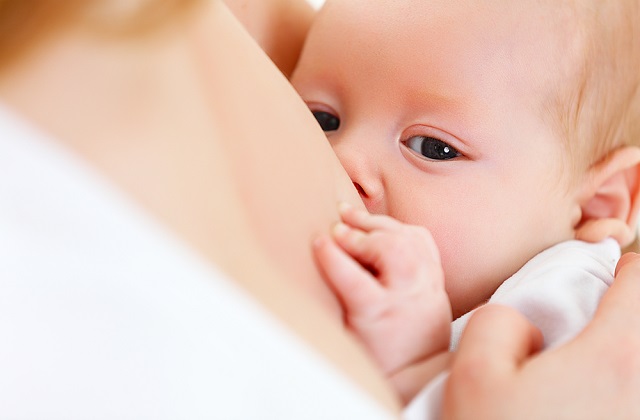
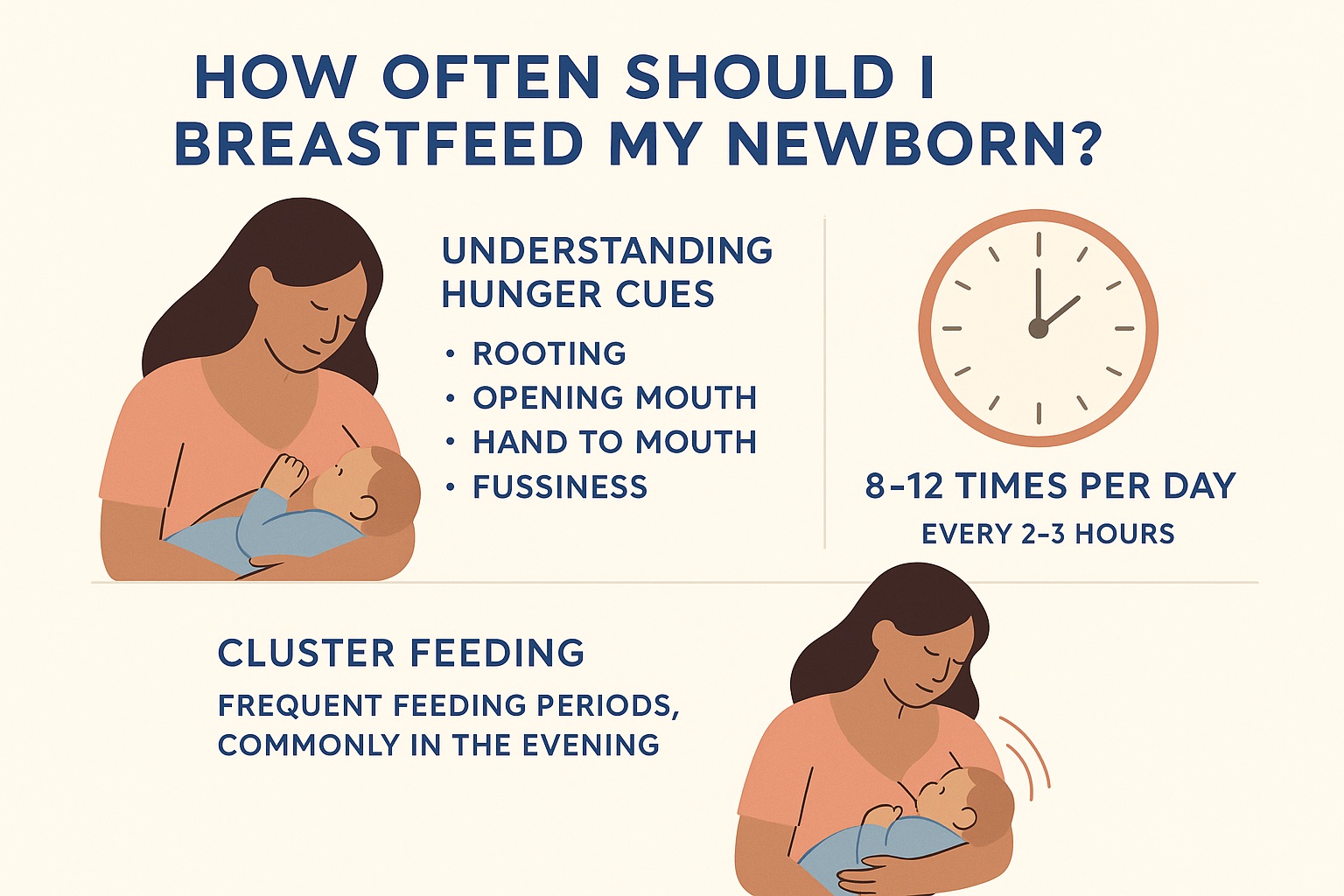
1. How often should I breastfeed my newborn?
Newborns should be breastfed every 2 to 3 hours (8-12 times per day). As they grow, they may feed less frequently but take in more milk per session.
2. How do I know if my baby is getting enough milk?
Signs that your baby is getting enough milk include:
- At least 6 wet diapers and 3-4 bowel movements per day.
- Steady weight gain after the first week.
- Baby appears content and satisfied after feeding.
- You can hear swallowing sounds during feeding.
3. How long should each breastfeeding session last?
Each session typically lasts 10 to 45 minutes, depending on the baby.
4. Can I breastfeed if I have a low milk supply?
Yes! To increase milk supply:
- Nurse frequently (every 2-3 hours).
- Ensure proper latch for effective milk removal.
- Stay hydrated and eat a balanced diet.
- Try skin-to-skin contact to stimulate milk production.
- Pump after nursing to encourage more milk production.
5. Is it normal for breastfeeding to hurt?
Breastfeeding may feel uncomfortable at first but should not be painful. If you experience pain:
- Check your baby’s latch – they should take in the whole nipple and part of the areola.
- Try different positions for comfort.
- If pain persists, consult a lactation consultant.
6. What foods should I avoid while breastfeeding?
Most foods are safe, but some babies may be sensitive to:
- Caffeine – Can make babies fussy; limit intake.
- Spicy foods or gas-inducing foods (e.g., cabbage, beans) – May cause discomfort.
- Alcohol – Best to avoid or wait 2-3 hours before breastfeeding.
- Allergenic foods – If your baby shows signs of a reaction, consult a doctor.
7. Can I breastfeed if I have a cold or flu?
Yes! Breast milk contains antibodies that help protect your baby. Just make sure to:
- Wash hands frequently.
- Wear a mask if coughing or sneezing.
- Continue breastfeeding as usual.
8. How can I store breast milk safely?
Breast milk storage guidelines:
- Room temperature: Up to 4 hours.
- Refrigerator (4°C / 40°F): Up to 4 days.
- Freezer (-18°C / 0°F or lower): Up to 6 months (ideal) or 12 months (acceptable).
9. Can I breastfeed and pump at the same time?
Yes! Some mothers pump one side while feeding on the other to maximize milk production.
10. When should I introduce a bottle or pacifier?
It’s best to wait until breastfeeding is well-established (around 4-6 weeks) before introducing a bottle or pacifier to avoid nipple confusion.
11. Can I breastfeed if I have mastitis?
Yes! Continuing to breastfeed can help clear the infection. Treatment includes:
- Frequent nursing or pumping.
- Applying warm compresses before feeding.
- Rest and hydration.
- If symptoms persist, a doctor may prescribe antibiotics.
12. When should I stop breastfeeding?
The World Health Organization (WHO) recommends exclusive breastfeeding for 6 months and continued breastfeeding alongside solid foods until 2 years or beyond, as long as both mother and child desire.
Final Thoughts
Breastfeeding is a unique journey for every mother and baby. With the right knowledge, support, and patience, it can be a rewarding experience. If you have concerns, consult a lactation specialist.
It takes a village to raise a child !
Join our Facebook group Preschools & Kindergartens in Hong Kong to interact with other parents.