Feeding Your Newborn: Breastfeeding, Bottle Feeding, and Feeding Cues
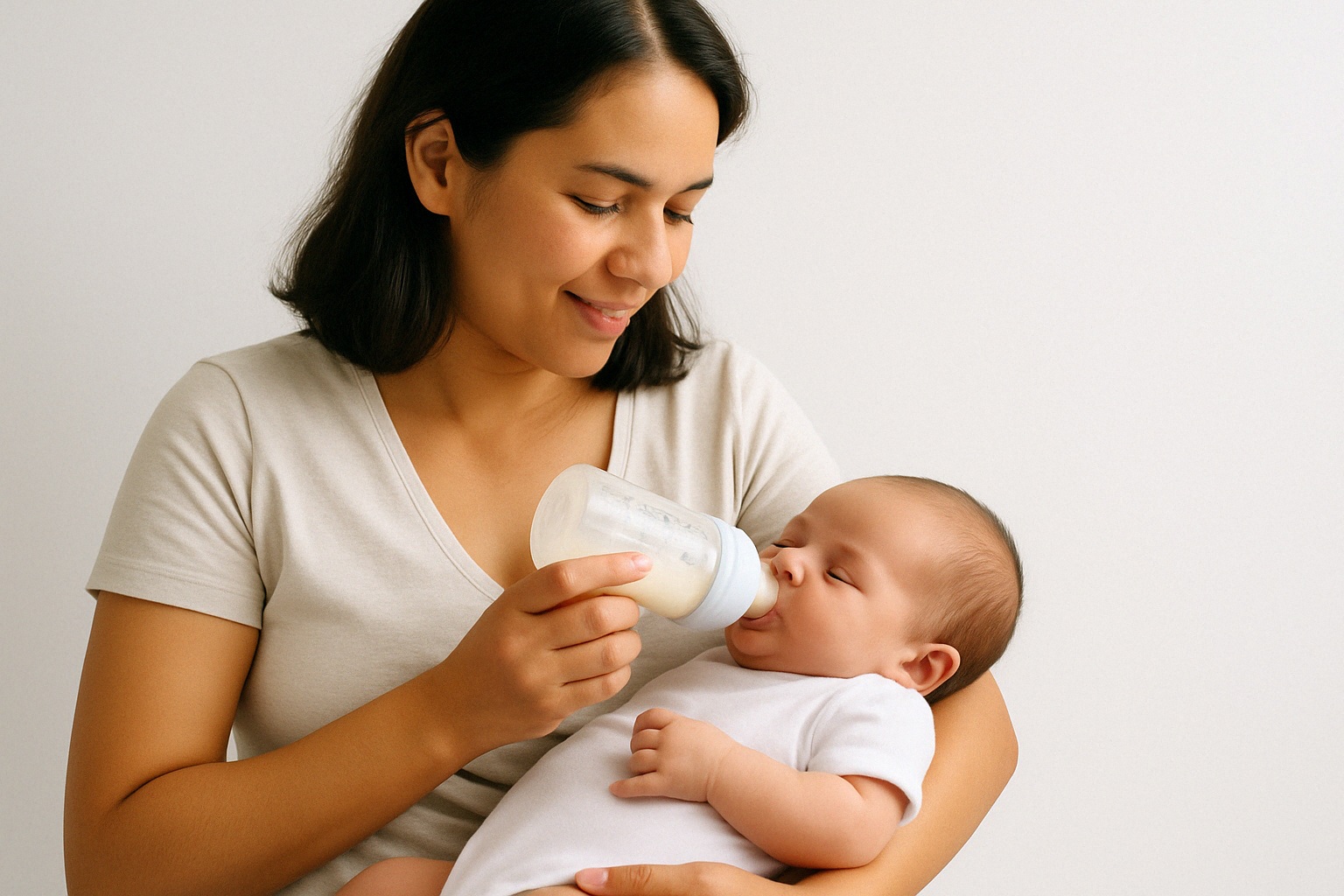
Feeding your newborn is one of the most important and intimate aspects of early parenting. Whether you choose to breastfeed, bottle-feed, or combine both, understanding your baby’s hunger cues and feeding needs will help support their growth, development, and bonding with you.
Breastfeeding
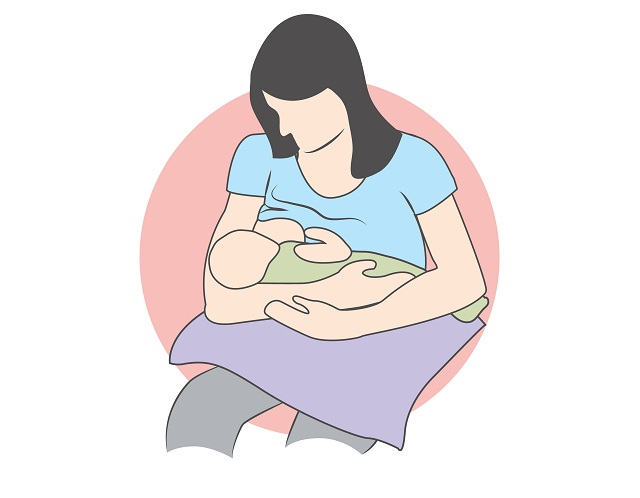
Breastfeeding is a natural and beneficial way to nourish your baby. It provides essential nutrients, antibodies, and promotes emotional connection between mother and baby.
Benefits of Breastfeeding
- Provides complete nutrition tailored to your baby’s needs
- Contains antibodies that protect against infections and illness
- Supports mother-baby bonding and emotional comfort
- May reduce the risk of chronic conditions later in life
Tips for Successful Breastfeeding
- Initiate breastfeeding within the first hour after birth
- Feed on demand—look for signs of hunger rather than waiting on a fixed schedule
- Ensure proper latch to avoid nipple pain and ensure effective milk transfer
- Alternate breasts during feeds to maintain milk supply on both sides
- Stay hydrated and rest whenever possible
Bottle-Feeding
Bottle-feeding can be done using expressed breast milk or infant formula. It offers flexibility and allows other caregivers to participate in feeding.
Formula Feeding Basics
- Choose a formula that meets your baby's nutritional needs and is approved by health authorities
- Always follow the instructions on the packaging for proper mixing and storage
- Sterilize bottles, nipples, and feeding equipment before each use
- Hold your baby upright during feeding to prevent choking and support digestion
Combination Feeding
Some parents choose to combine breastfeeding and bottle-feeding. This approach offers flexibility but requires careful planning to maintain milk supply and avoid nipple confusion. Consider introducing bottles after breastfeeding is well established, usually after 3–4 weeks.
Understanding Newborn Feeding Cues
Newborns cannot speak, but they communicate hunger through body language. Recognizing early cues helps avoid fussiness and supports better feeding experiences.
Early Hunger Cues
- Smacking lips or sucking on hands
- Opening mouth or turning head (rooting)
- Fidgeting or squirming when waking up
Late Hunger Cues
- Crying (a late sign—try to feed before this point)
- Clenched fists or flailing arms
- Frantic head movements
How Often and How Much?
Newborns typically feed 8 to 12 times per 24 hours, though the exact frequency varies. In the early days, feeds may be shorter but more frequent. Watch for signs that your baby is full:
- Slowing down or stopping sucking
- Relaxed body and hands
- Turning away from the nipple or bottle
When to Seek Help
Feeding should be comfortable for both baby and parent. Contact a lactation consultant, doctor, or nurse if you notice:
- Pain during breastfeeding or poor latch
- Baby not gaining weight or producing fewer wet diapers
- Frequent spit-ups, vomiting, or signs of discomfort during feeds
- Concerns about milk supply or bottle refusal
Conclusion
Feeding your newborn is a learning experience for both of you. Trust your instincts, observe your baby’s cues, and reach out for support when needed. Whether breast, bottle, or both—what matters most is that your baby is nourished, healthy, and loved.
For more guidance on infant nutrition and parenting, check with your pediatrician or local health clinic.
It takes a village to raise a child !
Join our Facebook group Preschools & Kindergartens in Hong Kong to interact with other parents.