Exclusive Breastfeeding for 6 Months: What the Research Says
Exclusive breastfeeding for the first six months of life is widely recommended by major health organizations, including the World Health Organization (WHO) and the American Academy of Pediatrics (AAP). This article reviews the latest evidence supporting this guideline, its benefits, and common challenges faced by mothers.
What Is Exclusive Breastfeeding?
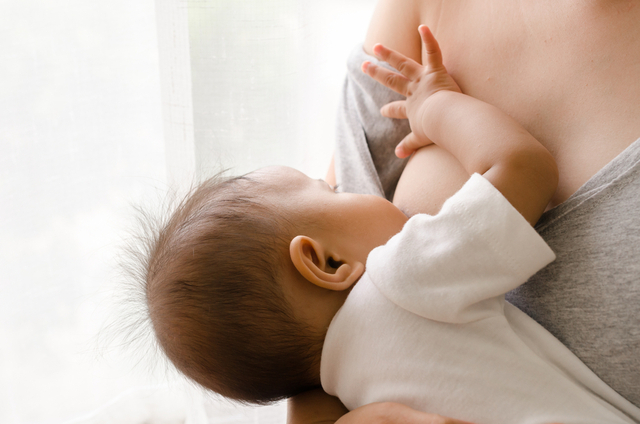
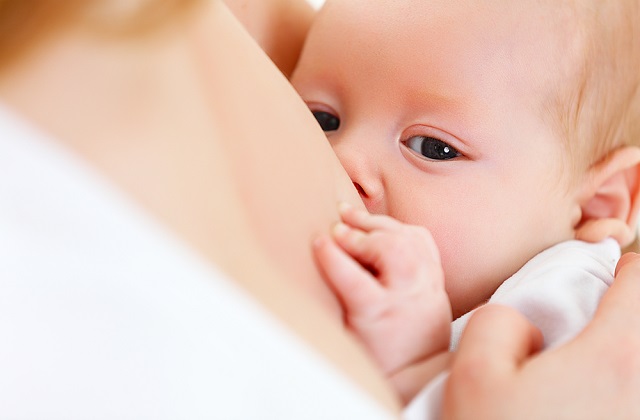
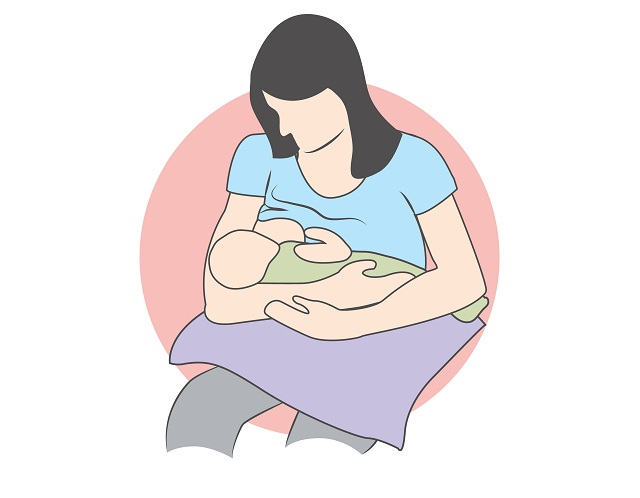
Exclusive breastfeeding means that the infant receives only breast milk — no other liquids or solids, not even water — except for oral rehydration solutions, or drops/syrups of vitamins, minerals, or medicines.
What the WHO Recommends
The WHO recommends that babies be exclusively breastfed for the first six months of life to achieve optimal growth, development, and health. After six months, appropriate complementary foods should be introduced while continuing breastfeeding up to two years of age or beyond.
What the AAP Recommends
The AAP also supports exclusive breastfeeding for about 6 months, followed by continued breastfeeding as complementary foods are introduced. They recommend continued breastfeeding for 1 year or longer, as mutually desired by mother and infant.
Health Benefits of Exclusive Breastfeeding
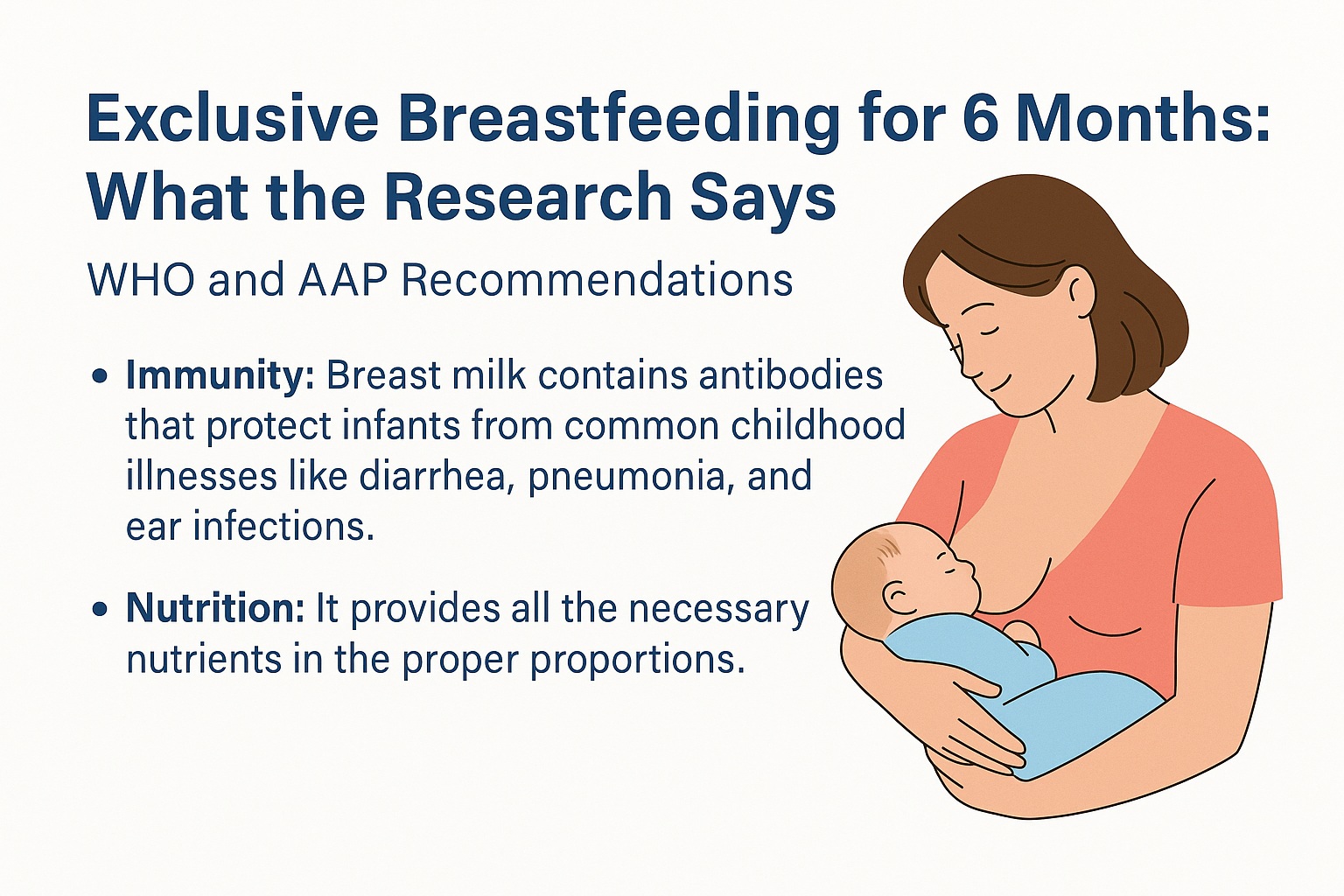
- Immunity: Breast milk contains antibodies that protect infants from common childhood illnesses like diarrhea, pneumonia, and ear infections.
- Nutrition: It provides all the necessary nutrients in the proper proportions.
- Lower risk of chronic conditions: Breastfed babies have a lower risk of developing asthma, obesity, and type 2 diabetes later in life.
- Bonding: Breastfeeding fosters emotional closeness between mother and baby.
Benefits for Mothers
- Postpartum recovery: Breastfeeding helps the uterus contract and reduces postpartum bleeding.
- Reduced risk of certain cancers: It’s associated with a lower risk of breast and ovarian cancers.
- Calorie burning: Helps with postpartum weight loss.
Challenges to Exclusive Breastfeeding
- Work constraints: Many mothers struggle to maintain exclusive breastfeeding when returning to work.
- Low milk supply: Perceived or real low milk supply can cause early supplementation.
- Lack of support: Social and cultural factors may discourage exclusive breastfeeding.
Overcoming the Barriers
Support from family, employers, healthcare providers, and the wider community is crucial. Breastfeeding education, lactation consultant access, and workplace accommodations like nursing rooms and flexible schedules can make a significant difference.
Conclusion
Exclusive breastfeeding for the first six months is strongly supported by research and global health authorities. While challenges exist, proper support systems and informed decision-making can empower mothers to give their babies the healthiest start in life.
Frequently Asked Questions (FAQ)
Q1: Why is exclusive breastfeeding recommended for 6 months?
A1: Research shows it provides complete nutrition and immunity support, reduces illness, and helps both mother and child bond emotionally and physically.
Q2: Can babies have water or other drinks during this period?
A2: No. Breast milk is sufficient to hydrate infants, even in hot climates. Additional fluids are unnecessary unless medically advised.
Q3: What if a mother cannot breastfeed exclusively?
A3: Any amount of breastfeeding is beneficial. If exclusive breastfeeding is not possible, partial breastfeeding or expressed breast milk is still valuable.
Q4: How can working mothers maintain exclusive breastfeeding?
A4: Expressing milk and storing it properly, using workplace lactation breaks, and having access to breastfeeding-friendly policies can help.
Q5: Is formula feeding harmful if breastfeeding isn't possible?
A5: Formula can provide essential nutrients, but it does not contain the immune and bioactive factors found in breast milk. It’s a safe alternative when needed, especially under pediatric guidance.
It takes a village to raise a child !
Join our Facebook group Preschools & Kindergartens in Hong Kong to interact with other parents.