Essential Newborn Care Tips for First Time Parents
Becoming a parent for the first time is both exciting and overwhelming. Newborns don’t come with instruction manuals, and it’s natural to feel unsure about how to care for such a tiny, fragile life. But with the right knowledge and support, you’ll grow in confidence and enjoy the journey of early parenthood.
1. Feeding Your Newborn
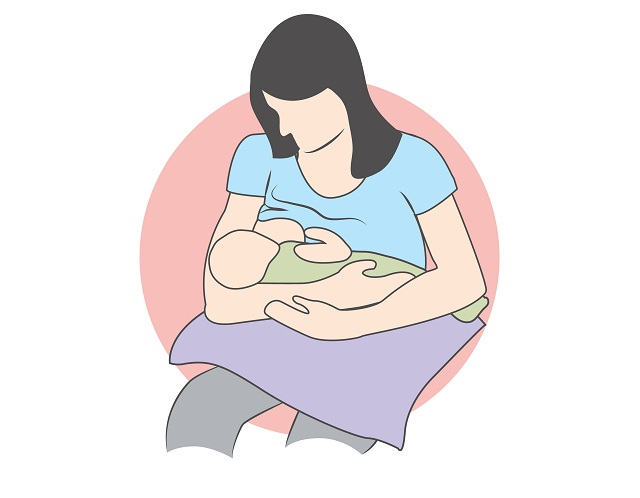
Newborns typically feed every 2 to 3 hours. Whether you choose to breastfeed or bottle-feed, the most important thing is to follow your baby’s hunger cues. Rooting, sucking on hands, and fussiness are common signs your baby is ready to eat.
- Breastfeeding: Offers the best nutrition and antibodies for your baby. Try to nurse on demand, especially in the early weeks to establish supply.
- Formula feeding: Ensure bottles and nipples are sterilised and follow preparation instructions carefully.
2. Sleep Patterns and Safe Sleeping
Newborns sleep a lot—up to 16 to 18 hours a day—but in short stretches. Establishing a safe sleep environment is key to reducing the risk of SIDS (Sudden Infant Death Syndrome).
- Always place baby on their back to sleep
- Use a firm, flat mattress without soft toys or loose bedding
- Keep the room cool and smoke-free
3. Diapering Basics
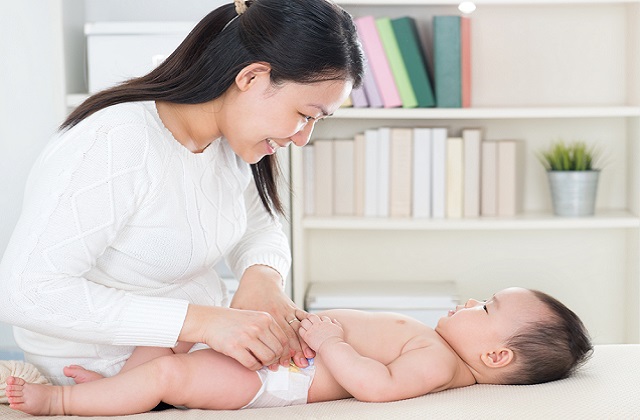
Expect to change diapers 8–12 times a day. Frequent changing helps prevent diaper rash. Clean your baby’s bottom with gentle wipes or cotton pads and always pat dry before putting on a new diaper.
4. Bathing and Cord Care
Newborns don’t need daily baths. A sponge bath 2–3 times a week is enough until the umbilical cord falls off (usually within 1–2 weeks).
- Keep the cord area dry and clean
- Fold diapers below the stump to prevent irritation
5. Holding and Soothing Your Baby
It’s perfectly okay to hold and cuddle your baby as much as you like—this builds security and connection. Some soothing techniques include:
- Swaddling (only during sleep and with safe methods)
- Using white noise or soft music
- Gentle rocking or bouncing
6. Health and Wellness
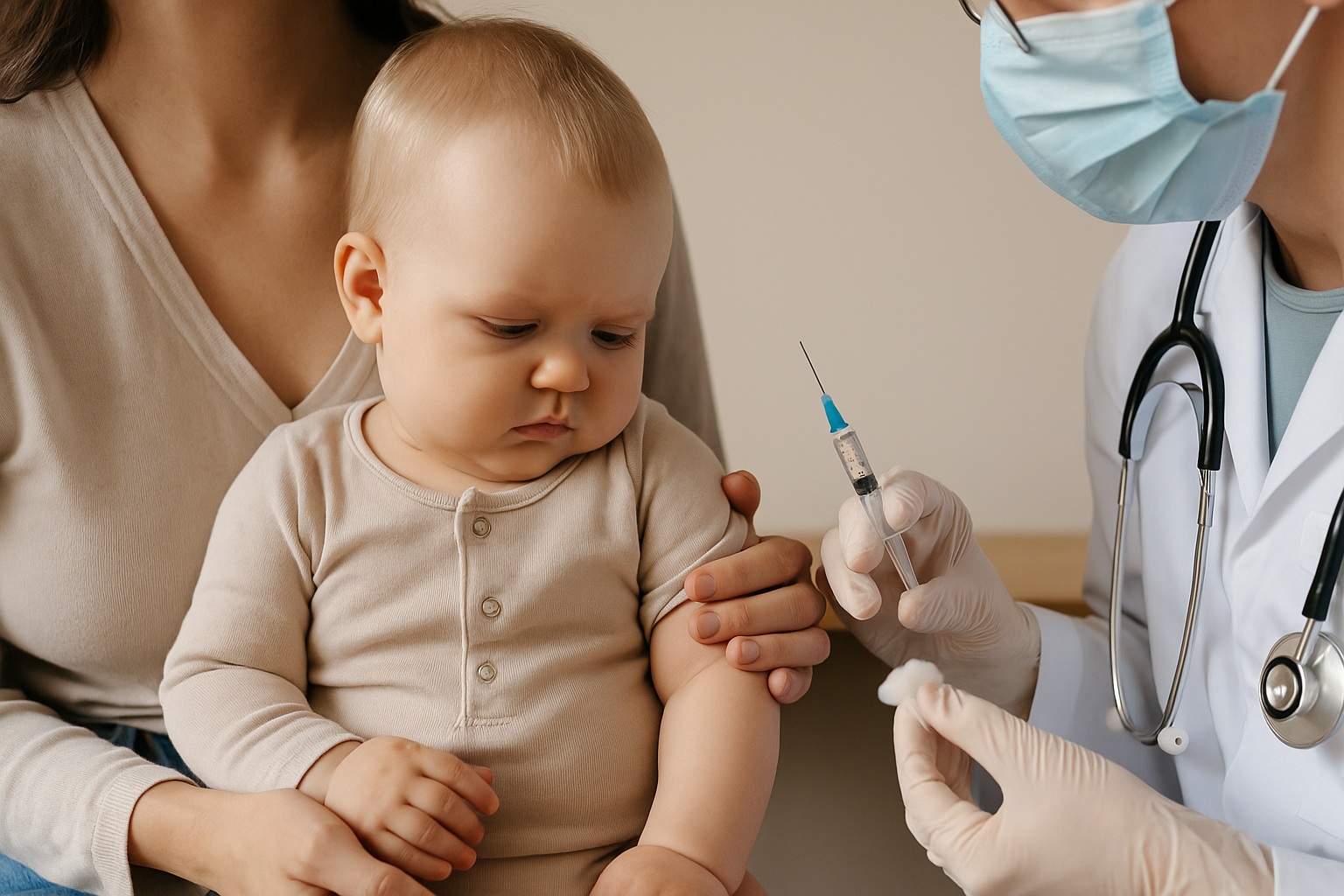
Newborns are vulnerable to infections, so maintain good hygiene. Wash hands before touching baby and limit contact with sick individuals. Attend scheduled check-ups and vaccinations.
Call a doctor if your newborn shows signs such as:
- Fever over 38°C (100.4°F)
- Refusal to feed or lethargy
- Breathing difficulties or a persistent rash
7. Bonding with Your Baby
Talk, sing, and make eye contact with your baby. These small interactions help stimulate their brain and strengthen the parent-child bond.
Conclusion
Newborn care may seem daunting at first, but you’re not alone. With gentle routines, observation, and lots of love, you’ll soon develop your own parenting rhythm. Trust your instincts, seek support when needed, and take one day at a time—you’ve got this!
It takes a village to raise a child !
Join our Facebook group Preschools & Kindergartens in Hong Kong to interact with other parents.