Coping with Sleep Deprivation: A Guide for New Parents

Bringing a newborn into the world is a beautiful experience, but it also comes with challenges—one of the most common being sleep deprivation. Many new parents struggle with exhaustion due to frequent night wakings, feeding schedules, and adjusting to their baby's needs. While sleep deprivation is inevitable in the early months, there are ways to cope and manage fatigue effectively. This guide provides practical strategies to help new parents navigate sleep deprivation while maintaining their well-being.
Understanding Sleep Deprivation in New Parents
Newborns have irregular sleep patterns and require round-the-clock care, making it difficult for parents to get adequate rest. Some common causes of sleep deprivation include:
- Frequent Night Wakings: Babies wake up multiple times during the night for feeding, diaper changes, or comfort.
- Parental Anxiety: Many parents struggle to sleep soundly due to worries about their baby’s well-being.
- Unpredictable Schedules: Newborns do not follow a fixed sleep routine, making it difficult for parents to plan rest periods.
- Sleep Regression: Growth spurts and developmental milestones can temporarily disrupt a baby’s sleep, causing even more sleepless nights for parents.
Practical Strategies to Cope with Sleep Deprivation
Although sleep deprivation cannot be entirely avoided, these strategies can help parents manage fatigue and improve their well-being:
1. Sleep When the Baby Sleeps
Newborns sleep in short cycles, so parents should take advantage of nap times to rest whenever possible. Even short naps can provide an energy boost.
2. Share Responsibilities
If possible, divide nighttime duties between both parents to ensure each gets some uninterrupted sleep. Partners can take turns with feeding, diaper changes, and soothing the baby.
3. Establish a Bedtime Routine
Creating a consistent nighttime routine, such as dimming the lights, using white noise, and following a calming ritual, can help babies settle more easily and encourage longer sleep periods.
4. Create a Comfortable Sleep Environment
Both parents and babies benefit from a sleep-friendly environment. Keep the bedroom cool, dark, and quiet. Using blackout curtains and white noise machines can improve sleep quality.
5. Accept Help from Others
Friends and family members can be a great support system. Accepting help with childcare, meals, or household chores can free up time for parents to rest.
6. Prioritize Rest Over Non-Essential Tasks
It’s tempting to use nap times to catch up on housework, but rest should be the priority. Laundry and dishes can wait—your well-being cannot.
7. Consider Safe Co-Sleeping or Room Sharing
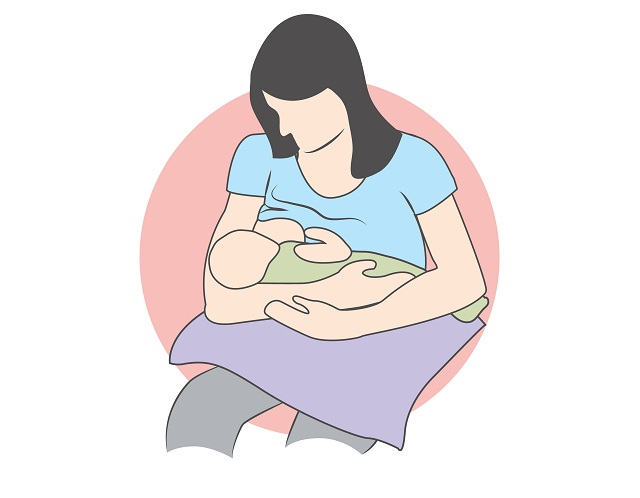
For breastfeeding mothers, keeping the baby’s crib close to the bed can make nighttime feedings easier and minimize sleep disruptions.
8. Stay Hydrated and Eat Nutritious Foods
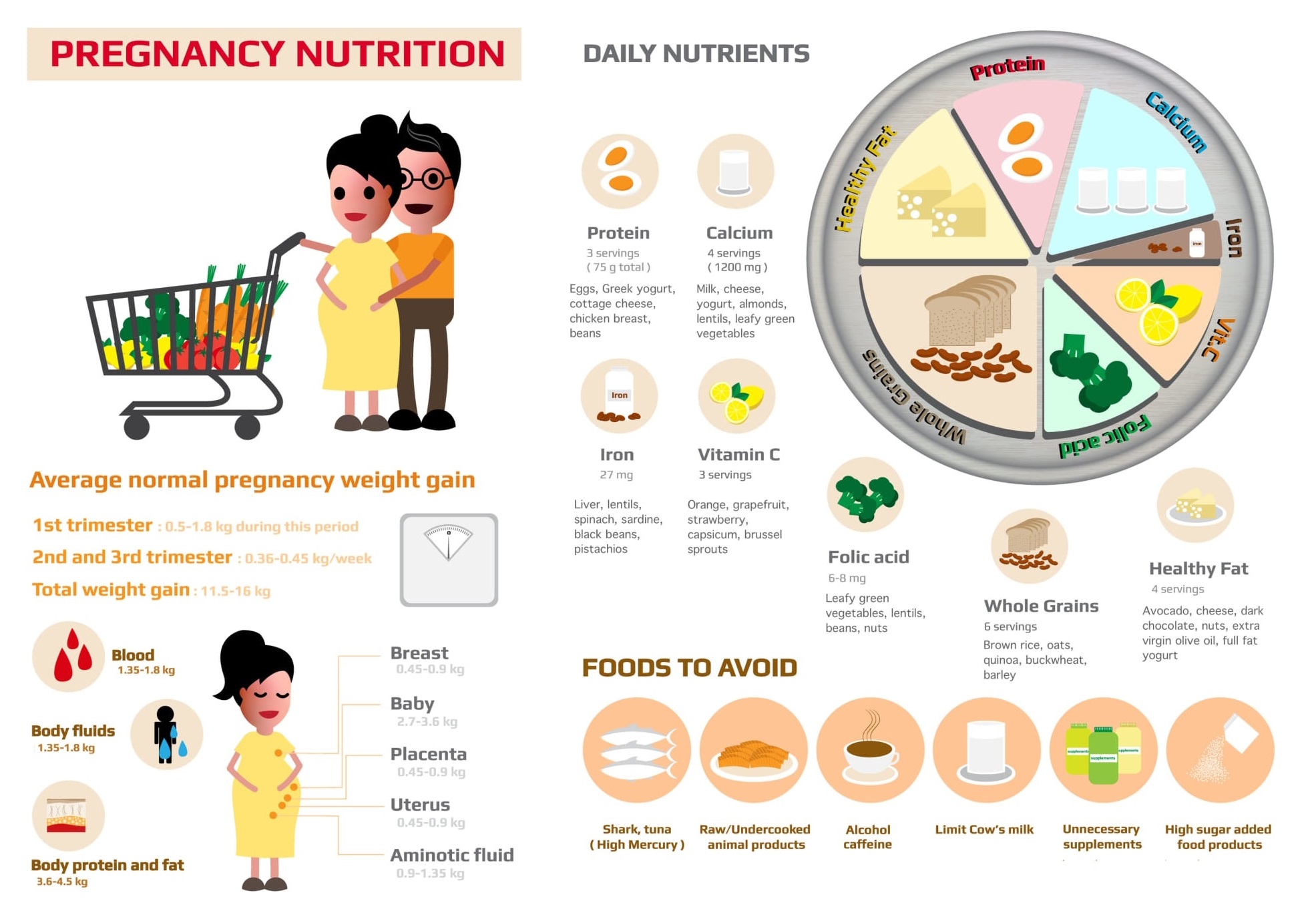
Proper nutrition and hydration play a crucial role in maintaining energy levels. Eating well-balanced meals and staying hydrated can help combat exhaustion.
9. Practice Relaxation Techniques
Engaging in deep breathing, meditation, or light stretching before bed can help reduce stress and improve sleep quality when rest is possible.
10. Seek Support if Needed
If sleep deprivation becomes overwhelming, consider speaking to a doctor, lactation consultant, or sleep specialist for guidance on managing sleep challenges.
Conclusion
Sleep deprivation is a temporary but challenging phase of parenthood. By prioritizing rest, sharing responsibilities, and adopting effective coping strategies, new parents can navigate this period with greater ease. Remember, you’re not alone—lean on your support system, be kind to yourself, and know that as your baby grows, sleep patterns will improve. In the meantime, focus on small, manageable steps to get the rest you need while caring for your little one.
It takes a village to raise a child !
Join our Facebook group Preschools & Kindergartens in Hong Kong to interact with other parents.