Breastfeeding Vs Formula: What the Evidence Really Says
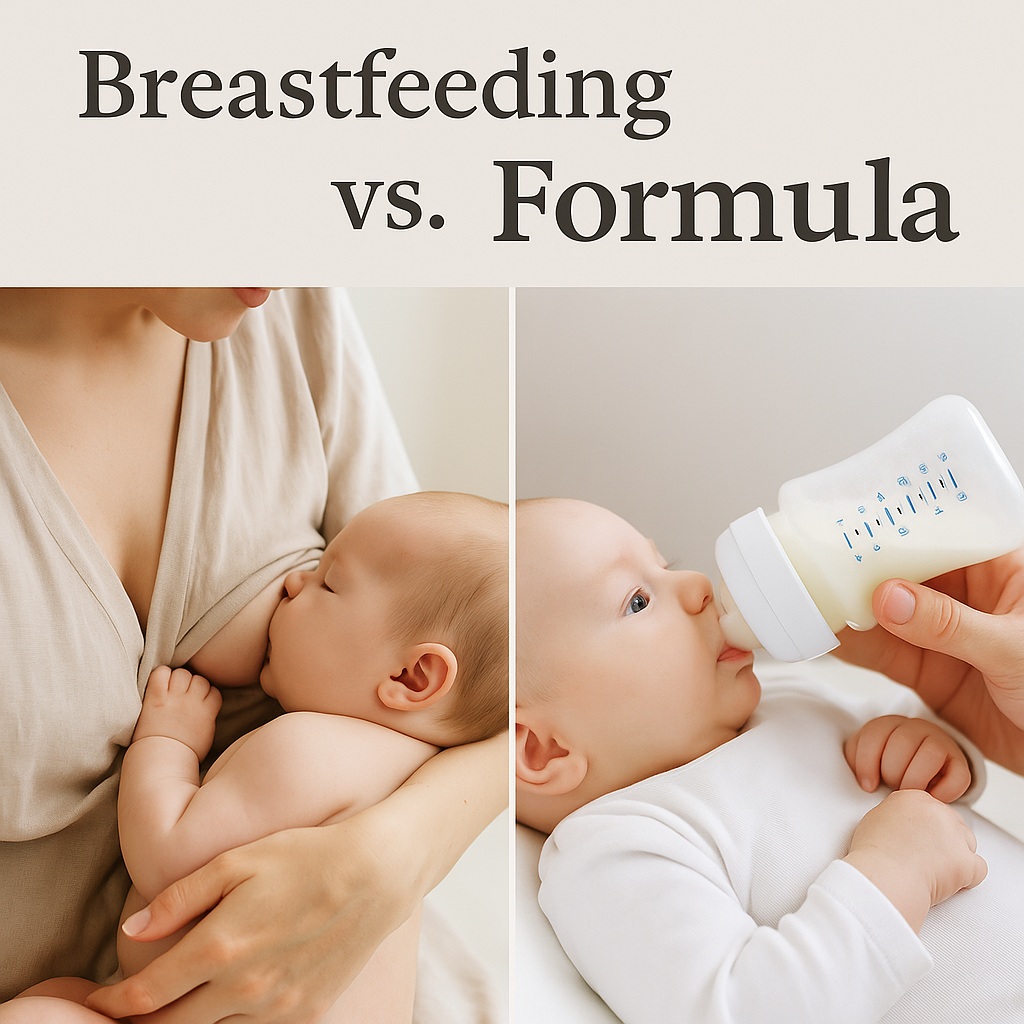
Few topics in parenting spark as much debate as the choice between breastfeeding and formula feeding. While breastfeeding is often promoted as the gold standard, formula feeding is a valid, safe alternative that supports many families' needs. Here, we explore what current research says about both, focusing on health outcomes and practical considerations—without judgment.
The Benefits of Breastfeeding
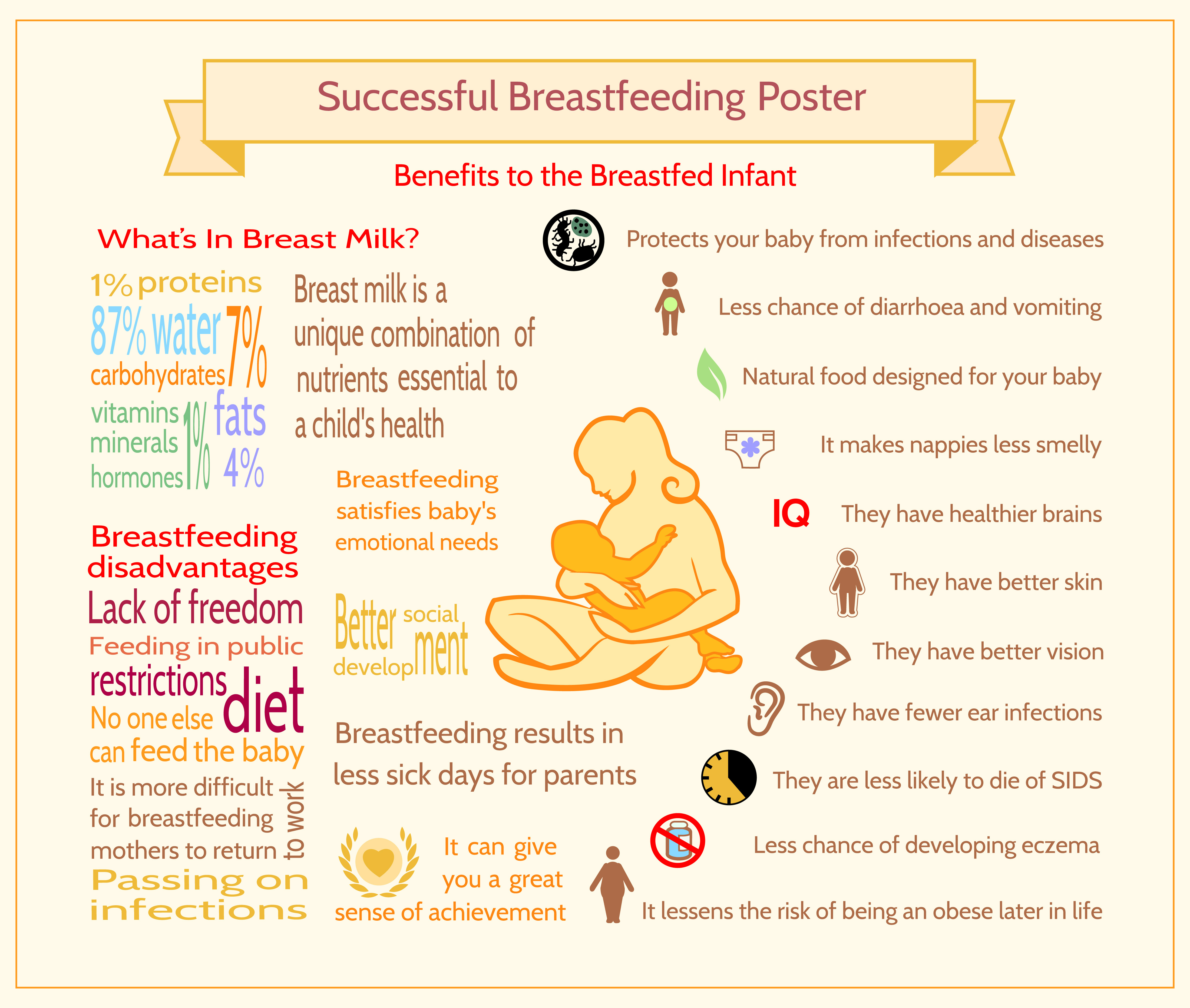
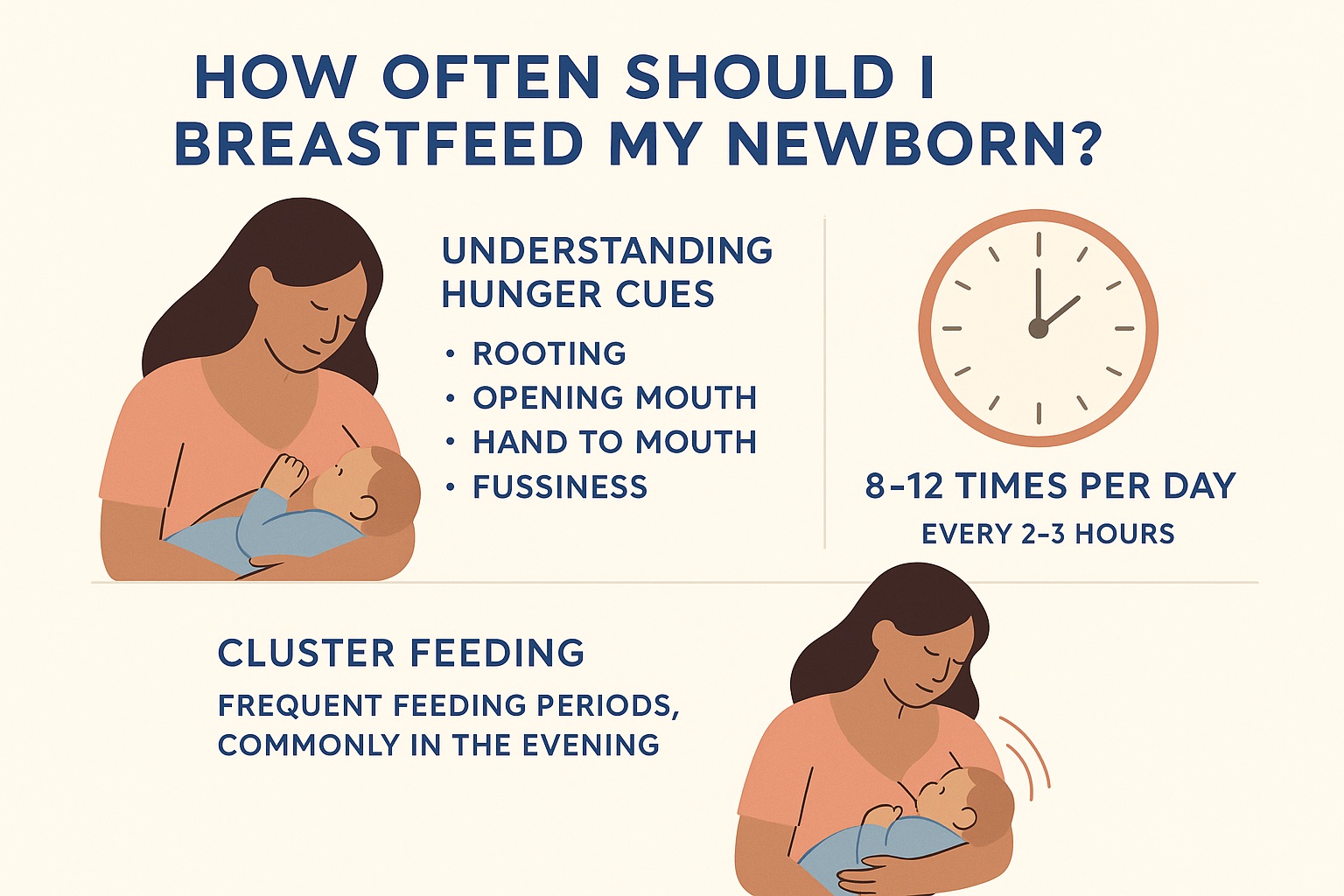
According to the World Health Organization (WHO) and the American Academy of Pediatrics (AAP), exclusive breastfeeding is recommended for the first 6 months of life, with continued breastfeeding alongside complementary foods for up to 2 years or beyond.
Key Health Benefits:
- For Baby: Reduced risk of infections (respiratory, ear, and gastrointestinal), lower incidence of sudden infant death syndrome (SIDS), and possible long-term protection against asthma, obesity, and type 2 diabetes.
- For Mother: Lower risk of breast and ovarian cancer, postpartum depression, and type 2 diabetes.
Breastmilk also adapts to a baby's changing needs, contains antibodies, and promotes bonding through skin-to-skin contact and oxytocin release.
The Reality of Formula Feeding
Infant formula is a nutritionally complete alternative made to mimic breastmilk as closely as possible. Modern formulas are safe, regulated, and support healthy growth when prepared correctly.
When Formula Is Necessary or Preferred:
- Medical issues (e.g., HIV-positive mother, certain medications)
- Insufficient milk supply
- Adoption or surrogacy
- Parental choice or mental health considerations
Formula feeding allows others to participate in feeding, helps mothers return to work, and can provide structure to a baby's feeding schedule.
What Does the Research Really Say?
While breastfeeding offers unique immune and developmental advantages, long-term health outcomes are influenced by many factors, including genetics, environment, nutrition, and parental care.
- IQ and Cognitive Development: Some studies show modest IQ benefits in breastfed children, but socio-economic status and parental education often explain much of the difference.
- Growth and Weight: Both breastfed and formula-fed babies grow well, though formula-fed infants may gain weight more rapidly in early months.
- Bonding: Bonding is not exclusive to breastfeeding—responsive, loving feeding interactions matter most.
A Balanced Perspective
Breastfeeding is beneficial and should be supported—but formula feeding is not a failure. It is a healthy, respectful choice that allows many parents to nourish their babies and support their own well-being.
Supporting Informed Choices
The best feeding choice is one that supports both baby’s health and parents’ circumstances. Healthcare professionals should offer evidence-based information, not pressure. Whether breast, bottle, or a combination of both—what matters most is a thriving baby and a confident caregiver.
Conclusion
Breastfeeding and formula feeding both come with their own benefits and considerations. Informed, supported parents are empowered parents. The goal is not perfection—it’s a happy, healthy family.
It takes a village to raise a child !
Join our Facebook group Preschools & Kindergartens in Hong Kong to interact with other parents.