• My Home
  • Community
  • Facebook
  • babyment@babyment.com
Canvas Logo Canvas Logo
  • Home
  • Conceiving
    • Get Pregnant Fast
    • Nutrient For Fertility
    • IVF in Singapore
  • Pregnancy
    • Safe To Eat During Pregnancy?
    • Discomfort and Solution
    • Pregnancy Care
    • Buying Guide
    • Zika and Pregnancy
    • Birth Delivery
    • Baby Names
    • Chinese Baby Names
    • Nutrition During Pregnancy
    • Pregnancy Week By Week
  • 0-1 Year
    • Safe For Baby To Eat?
    • Breastfeeding
    • Baby Bonus
    • About Hiring Maid
    • Baby Food Recipes
    • Confinement Care
    • Daily Baby Care
  • 1-3 Year
    • HFMD
    • Children Daily Care
    • Early Education
  • Directories
    • Preschool Open House, School Tour
    • Gynaecologists
    • Pediatricians
    • Nursing Rooms
    • Kindergarten
    • Child Care Centres
    • Baby Clinics

Breastfeeding: Factors affecting breast milk supply

 What affects breast milk production in new dmothers

Breast milk is widely accepted as the most complete form of nutrient for the infants. Most women are capable of producing enough breast milk that their infants require, but half of them suffer from perceived inadequate breast milk supply due to incorrect method of breastfeeding or other external factors.

Incomplete removal of the breast milk is the most important reason for inadequate breast milk. In breast milk, there is one inhibitory peptide, if this inhibitory peptide is not removed and is allowed to accumulate, it will decrease the secretion of the breast milk. If the breast milk is frequently removed, this inhibitory peptide does not accumulate and the milk synthesis will increase. Mothers are therefore encouraged to breastfeed 8 to 12 times a day during postpartum period. Doing so can help to increase the breast milk supply. Infrequent breastfeeding not only causes the breast milk production to be delayed, it may be associated with neonatal jaundice.

Another factor relating the inadequate milk supply has to do with infant's growth spurt. During period of growth spurt, the infant may be more irritable and seek the breast more often. The mothers should therefore be counseled and understand the situation fully to avoid any undue stress. During this period, the infant will have a higher breast milk intake, the mother should be patient and allow the breast to be emptied fully in order for the transfer of hind milk which has a higher energy content. Hind milk is only released after several minutes of nursing. Higher energy content of hind milk will help to satisfy your child's demand for milk and make him or her relaxed.

Stress and fatigue in mothers also have an impact on the mother's breast milk production. It is therefore important for mothers to rest well. If there is someone else that can help you to take care of the infant for some time, mother should take the opportunity to have some sleep or rest.

Incorrect method of use of breast pump is another reason for inadequate breast milk supply. For mothers that have started working, you should be patient when you use the manual or electric breast pump. You need to give yourself more time to pump the breast milk so that that breast milk can be emptied to allow better milk production. If it is not emptied completely, the inhibitory peptide will decrease the breast milk synthesis over time.

Lastly, if the mother is sick and need to see doctor, it is important for the mother for inform doctors that you are breastfeeding. This is because some medicine has the effect of inhibiting the milk supply in mothers.

It takes a village to raise a child !

Join our Facebook group Preschools & Kindergartens in Hong Kong to interact with other parents.
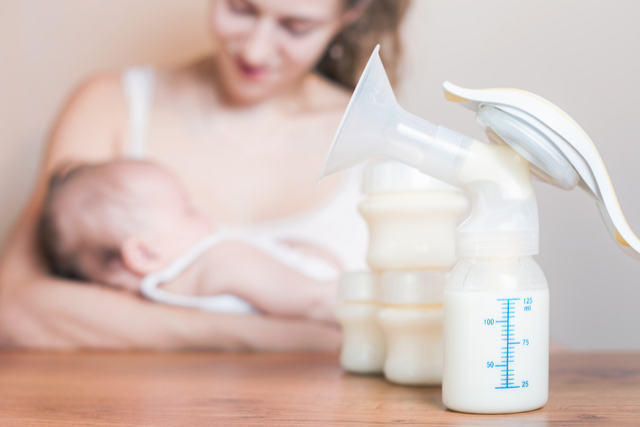
 Many mothers face the difficult choice of whether to continue breastfeeding after they return to their workplace. However, with adequate planning and adjustment, working mothers do not need to worry about not being able to breastfeed after returning to work. In this article, we provide tips that you can adopt right after your delivery to ensure that you will be able to continue breastfeeding your baby after going back to work.

Breastfeeding For Working Mothers

Many mothers face the difficult choice of whether to continue breastfeeding after they return to their workplace. However, with adequate planning and adjustment, working mothers do not need to worry about not being able to breastfeed after returning to work. In this article, we provide tips that you can adopt right after your delivery to ensure that you will be able to continue breastfeeding your baby.
 “Can I drink coffee while breastfeeding?” Many mothers will ask this question because coffee contains a high level of caffeine, which is found to have many harmful effects. However, experts say it is safe to drink coffee in moderation while breastfeeding if your baby does not become cranky or develop sleeping problems.

Can I Drink Coffee While Breastfeeding?

“Can I drink coffee while breastfeeding?” Many mothers will ask this question because coffee contains a high level of caffeine, which is found to have many harmful effects. However, experts say it is safe to drink coffee in moderation while breastfeeding if your baby does not become cranky or develop sleeping problems.
  • Popular
  • Recent
Tantrums in Children

Tantrums in Children

  • 35 Comments
Period or pregnancy symptoms

Period or Pregnancy Symptoms

  • 24 Comments
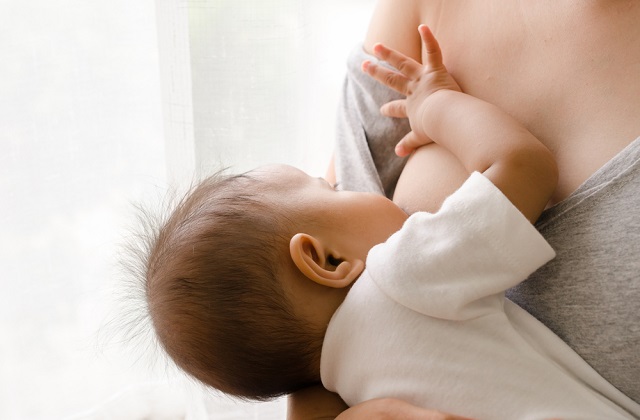
Breastfeeding Positions

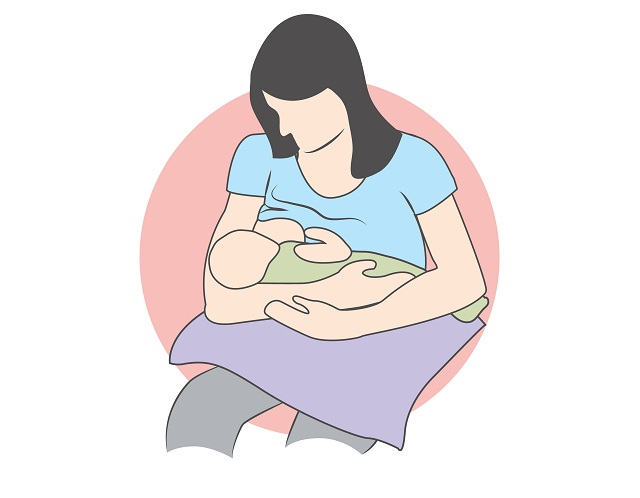
Breastfeeding Positions

  • 19 Comments
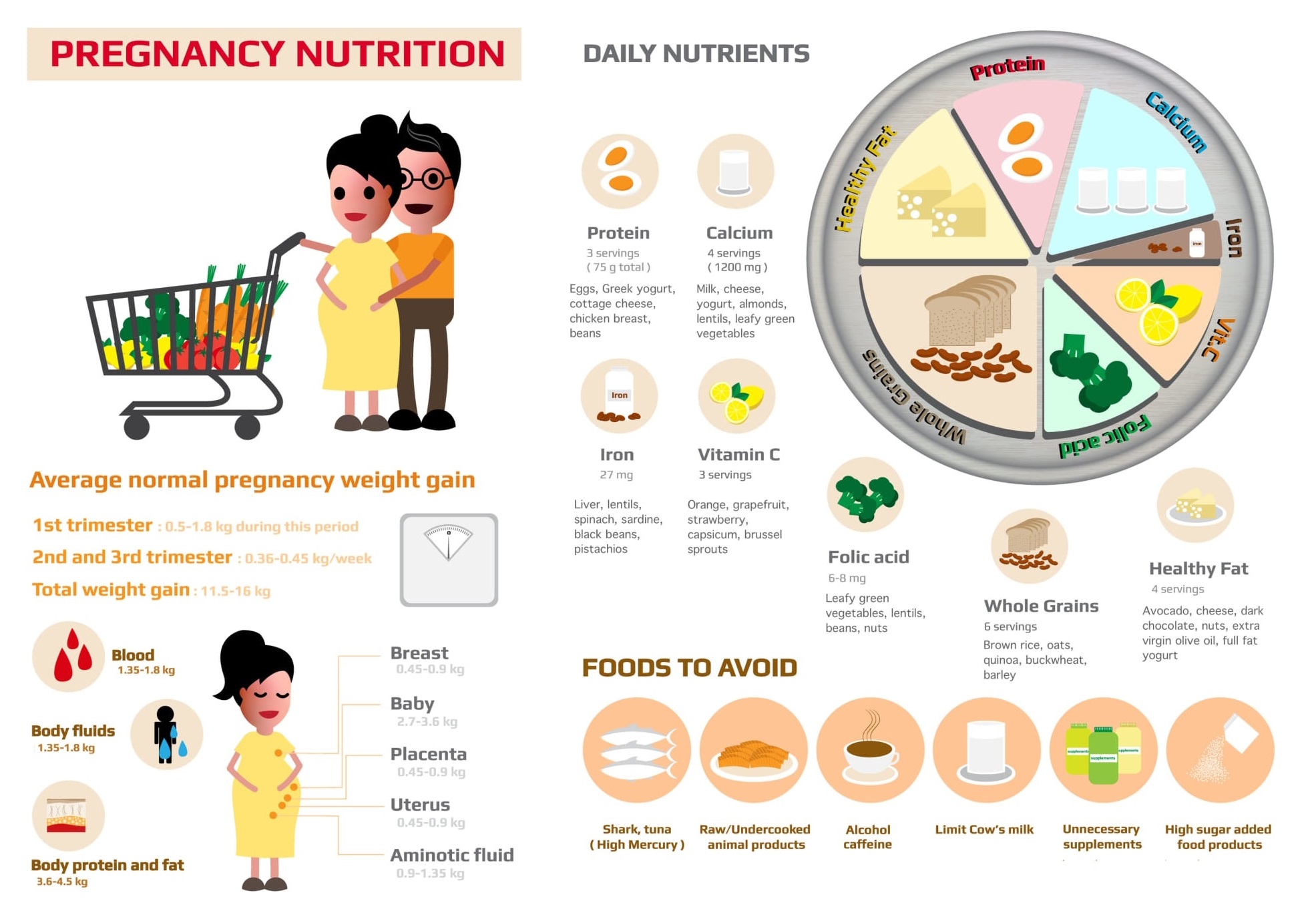
Pregnancy Nutrition

Pregnancy Nutrition

  • 10th Jan 2017
Harmful effect of sugar on baby

Why no sugar for baby

  • 16th Jan 2017
Inducing Labour

Inducing Labour

  • 18th Jan 2017

Our mission is to help parents and parents-to-be to save time and moneyin pregnancy and parenting journey.

Headquarters:
#06-15 Nordcom 1
3 Gambas Cres, Singapore 757088
Email:hk@babyment.com

Babyment®

  • About Us
  • Contact Us

Popular Articles

How to increase breast milk supply

  • 10th July 2014

Early Symptoms of Autism in Children

  • 10th July 2014
Like us
on Facebook
Copyrights © 2019 All Rights Reserved by Babyment®
Terms of Use / Privacy Policy
hk@babyment.com · ·