Baby up and about safely

​Safety first for your baby
At this stage from newborn to 6 months, your baby may not crawl and lift his head easily, but will start to wiggle and push things with his feet. Some parents may mistakenly believe that it is safe to leave babies unattended because of their limited mobility. However, this may result in serious consequences. ​
At home
Even in the first few months of your baby’s life, there are potential hazards in the home. The following are some safety guidelines to help you keep your baby safe.
- ​If your baby is sleeping in a baby cot, ensure that the screws are tightly and properly screwed and the mattress and bedding fit snugly in the cot to prevent your baby from getting tangled in the excess material.
- The distance between the slats of the cot should not be more than the width of a soda can so as to prevent your baby’s head from getting stuck in between.
- Let your baby sleep on his back in a clean, uncluttered cot. Do not put fl​uffy bumper pads, soft comforters, pillows or stuffed toys into the cot. These products can cause some babies to suffocate.
- Always make sure that the cover or mattress over the diaper-changing table is fi​​rmly secured.
- Never leave him alone on a bed or a diaper-​changing table as he may fall off.
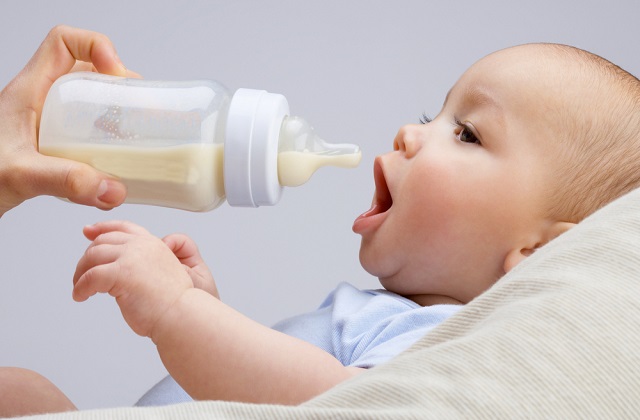
- Never leave him alone with a bottle propped in his mouth.
- Never leave your baby alone in the bath, even for a moment. Babies can drown in as little as 5cm of water.
- Never leave small objects like buttons or plastic bags within your baby’s reach to prevent choking.
- Do not hang a pacifier on a cord attached to his clothing or hang anything else around his neck. They could be potential strangulation hazards.​
​Travelling with a baby
Invest in a car seat for your newborn as he will need to travel in one, right from the first ride home from the hospital. Car safety for your newborn or child is very important. Holding or placing him on your lap does not ensure his safety. Even at slow speed, he can be thrown forward in a sudden stop. His neck and back muscles will not be strong enough to withstand these forces, which may result in his head being thrown forward and his brain could be damaged by bumping inside against his skull.
These are some car safety guidelines for children of all ages:
- Always have your child secured in a car seat when you drive.
- The car seat should be suitable for your child’s age, size and weight. Read the information on the packaging carefully and choose one that is most suitable for your child.
- Make sure the car seat is properly installed in the car.
- Ensure that the straps are properly adjusted and the seat is well-padded to give your child maximum protection during a sudden stop.
- Car seats with metal fittings can get extremely hot in the sun. Be sure to cover the seat if you leave your vehicle in the sun.
- Newborn babies should use a rear-facing car seat (the baby faces the back of the vehicle) which is well-padded. The car seat should be placed in the back seat.
- Do not use a rear-facing car seat on a car seat that faces an airbag.
Childhood injury is no small matter. Besides causing hurt to your baby, it puts considerable physical, mental and emotional stress on you or other caregivers. Most of these injuries can be easily prevented. Thus it is important that you take simple preventive measures to keep your baby in a safe environment. Remember to pay attention to reports on baby product safety or product recall too.​​
Source: Baby up and about safely
It takes a village to raise a child !
Join our Facebook group Preschools & Kindergartens in Hong Kong to interact with other parents.