Baby Colic

What is colic?
Colic refers to a state of excessive crying in infants of less than 4 months old who are otherwise healthy. It can happen to one out of five infants. This baffling behavior is also called as "evening colic" as it tends to occur in the evening, or "three-month colic", or "infantile colic".
How Is colic different from normal crying?
First, the baby seems to be inconsolable when colic occurs. No matter how hard you try, the baby is not able to calm down.
Second, it lasts for at least three hours and sometimes even longer.
Third, infants with colic typically exhibit periodic crying spells occurring usually in the evening.
Lastly, compared to normal crying, the crying due to colic may be more intense.
Symptoms of colic in baby
Other than the conditions mentioned above, other signs of colic include the following:
• Crying occurs at the same time every day (usually in the late afternoon or early evening, but it can vary).
• Crying seems to occur for no reason (not because the baby has a dirty diaper or is hungry or tired).
• Baby's face turns red and flushed.
• Baby may pull up his legs, clench his fists and generally move his legs and arms more.
Causes of Colic
First, do not blame yourself when it occurs as it has nothing to do with parenting skill and it's also not anyone's fault.
The exact cause of colic is still unknown to the medical experts.
Some possible causes that have been suggested by experts in the field. These include:
Overstimulation. Babies more sensitive to the stimuli in their surroundings. With so many new sensations coming at them, some infants become overwhelmed. They cry and cry in order to release the stress.
Allergy. The baby may be allergic to certain proteins in the cow's milk formula.
Lactose intolerance. The baby's inability to digest certain sugars may lead to poor absorption of these sugars from milk.
Infant acid reflux. Research has found that infant GERD can trigger colic.
Exposure to smoke. Several studies show that moms who smoke during or after pregnancy are more likely to have babies with colic; Don’t smoke or let anyone else smoke around your baby.
What Can Be Done About Colic?
First, you may limit the number of visitors that your newborn meet each day and prevent exposing your baby to new experiences in stimulating environments, particularly in the late afternoon and early evening.
If you suspect that your baby has tummy trouble, you can apply pressure to baby’s tummy. Some colicky babies find relief when pressure is placed on their abdomens.
Try gripe water. Gripe water is made of herbs and sodium bicarbonate. Although no scientific research has confirmed its effectiveness, many parents find it helpful in reducing colic symptoms.
What else can be done for colic?
Swaddle. The combination of warmth and the feeling of security may help to calm a colicky baby.
Play soothing music. A crying baby might also respond to the quiet singing of a lullaby.
Offer a pacifier. The act of sucking may be able to soothe a colicky baby.
Get out of the house. A change to an outdoor location sometimes magically change a baby's mood.
Switch formula milk. There are types of formula milk which are manufactured for babies who show allergy to cow’s milk or show milk intolerance. Just be sure to get your pediatrician’s approval before making the switch.
Respond promptly. A study published on New Directions For Child and Adolescent Development showed that responding promptly to your baby's cries will reduce her crying in the long term.
Create a calm environment. Trying to make her environment as peaceful as possible: dim the light and keep other noise and distraction to a minimum. This might help her relax.
Consider probiotics. Probiotic helps promote intestinal health and can help baby with tummy trouble.
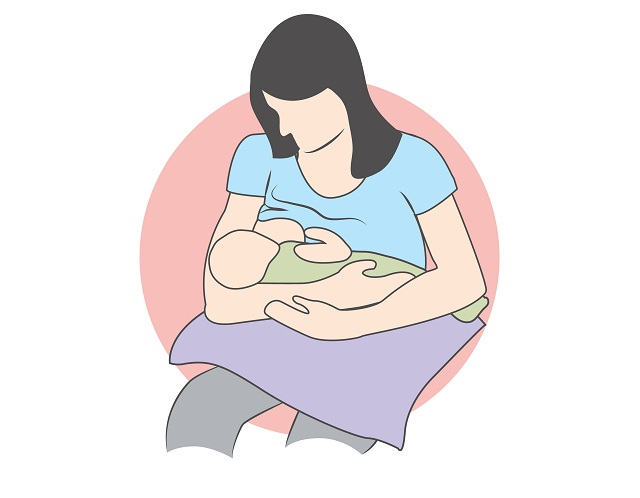
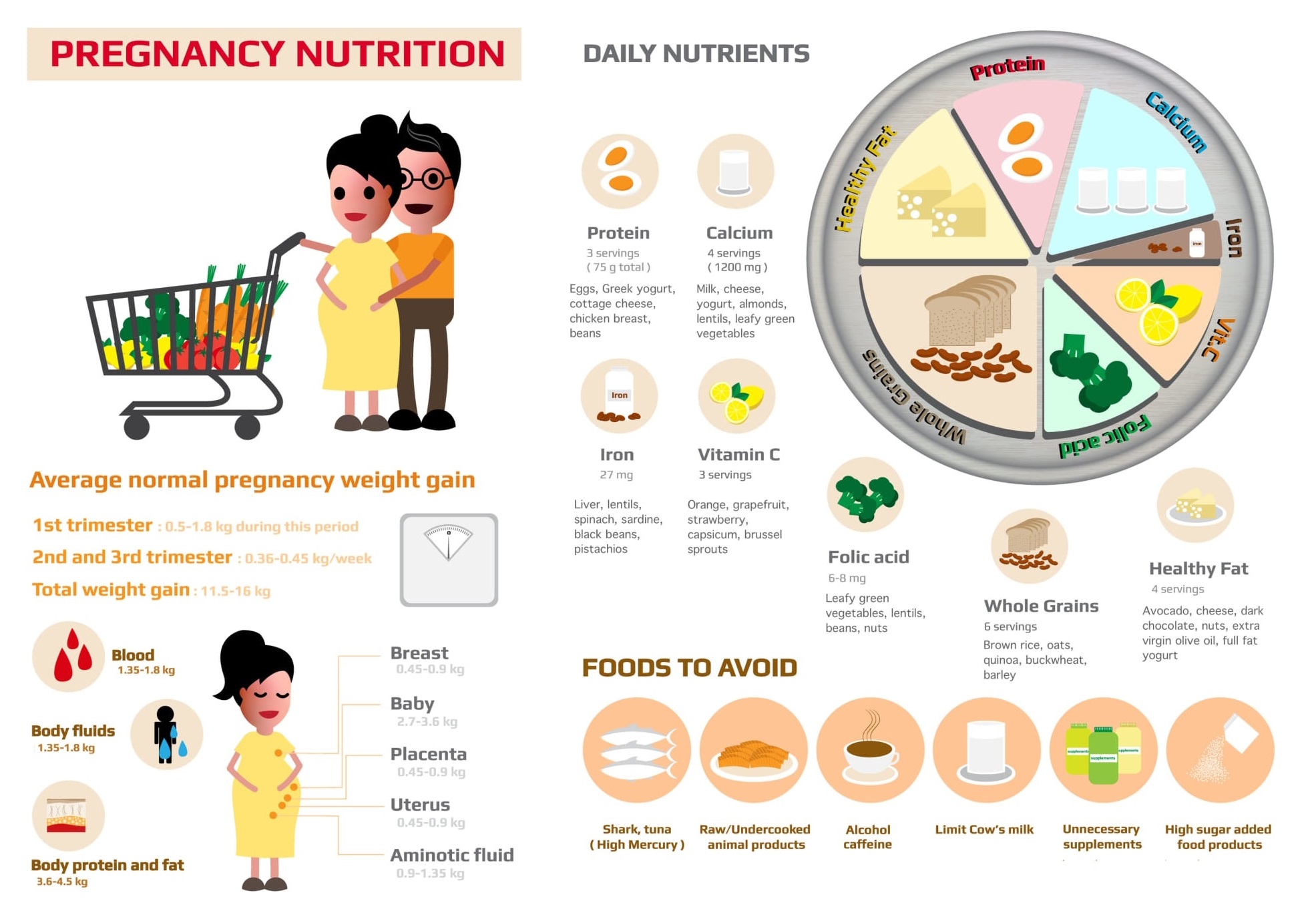
Watch what you eat. If you breastfeed your baby, you may want to temporarily eliminate certain food from your diet. This includes gassy vegetables such as cabbage, cauliflower, acidic citrus fruits such as orange, or allergenic foods such as eggs and peanuts.
When to seek immediate medical advice?
You should get medical help in the following situations:
- Your baby has a weak, but high-pitched, or continuous cry.
- Your baby vomits green fluid.
- There is blood stain in your baby’s poo.
- Your baby has a fever of 38C or above (if they're less than three months old) or 39C or above (if they're three to six months old).
- Your baby has a fit (seizure).
- Your baby’s face turns blue or becomes very pale.
- Your baby has breathing problems.
It takes a village to raise a child !
Join our Facebook group Preschools & Kindergartens in Hong Kong to interact with other parents.